
Same-day & Next-day Delivery

Quality Guaranteed

Unlock Your Welcome Offers: FREE Delivery | Up to 80% OFF | Free 30-day JoyPlus trial
Download the APP
For scrapbooking and card-making enthusiasts, cutting dies are true game-changers. These metal stencils promise perfect shapes in an instant. But that promise can sometimes turn into a nightmare: imprecise cuts, torn paper, rusting dies... These all-too-common frustrations can ruin the joy of creating. To avoid a bad investment, here are the key points to check before you buy.
The market is flooded with models, each with a more attractive design than the last. But be warned, aesthetics aren't everything. A design flaw, no matter how small, can render a die almost useless.
To avoid these disappointments, a few technical points are worth checking. They are the difference between a purchase you immediately regret and a tool that will be with you for years in your paper crafting hobbies.
This is the number one criterion. Dies made from carbon steel are the industry benchmark, for both their durability and performance. This material ticks all the boxes:
A good design isn't just about looks; it's primarily about function. For complex patterns (like flower dies or delicate borders), one detail is crucial: the presence of small holes on the back of the die. These openings are essential for inserting a thin tool to pop out the cut-out without damaging it.
Also, remember to check for compatibility with your die-cutting machine (Sizzix Big Shot, Cricut, etc.). Most dies are universal, but a quick glance at the dimensions will save you an unpleasant surprise upon delivery.
Some dies go beyond simple cutting and also allow for paper embossing. This technique, which involves creating a raised pattern using a silicone mat, is a real bonus. It adds texture and depth to your projects, a key advantage for creative card making.
To help you make an informed decision, we've selected three types of cutting dies that meet specific creative needs and profiles.
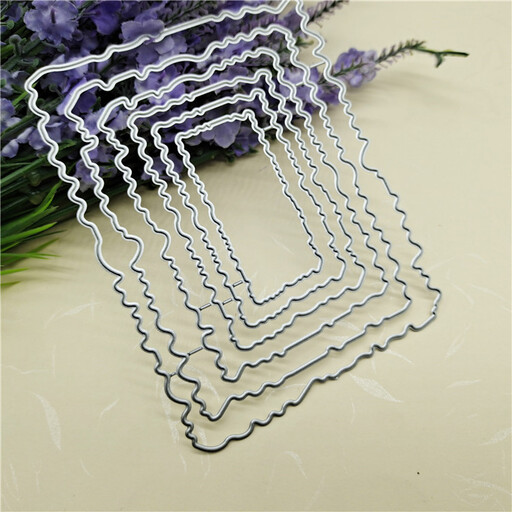
Why we chose it: For getting started, nothing beats a kit of frames in different sizes. It's the most versatile starting point for creating card backgrounds, labels, or framing photos in an album. An excellent first investment to explore the possibilities without overcomplicating things.
The simplicity of the rectangular shapes ensures a clean cut and snag-free release, avoiding the frustration of complex patterns that tear.
A set of several nesting sizes to multiply the possibilities for composition and layering.
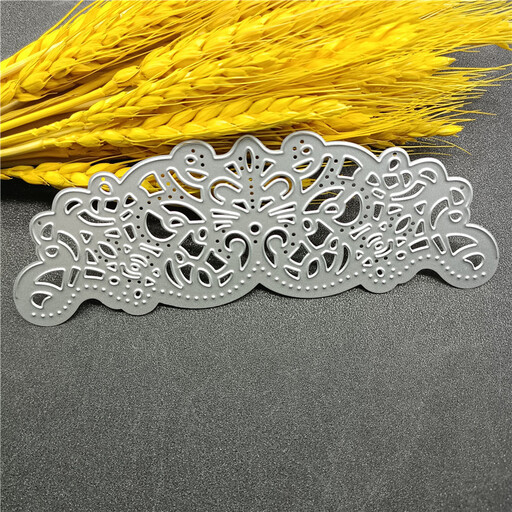
Why we chose it: Fans of sophisticated finishes will love this. This type of die creates an elegant decorative border on a card, album page, or invitation. The touch of refinement is instantaneous.
This type of die is typically made of carbon steel, the only guarantee that every detail of the lace will be cut with precision, without the paper snagging.
Achieves a level of intricate detail that's impossible to replicate by hand, even with the best decorative scissors.

Why we chose it: To add a name, date, or custom message, a complete alphabet dies kit is simply indispensable. It offers total freedom to create titles and captions, making every project truly unique.
Letters and numbers are simple shapes, which guarantees an easy cut and release, with no risk of tearing. The result is always flawless.
The complete kit (26 letters and 10 numbers) opens the door to limitless customisation for all your projects: birthdays, announcements, home decor, and more.
Discover our full selection of dies that meet our standards for quality and durability.
Good news: the vast majority of thin cutting dies (often called "thinlits" or "wafer-thin dies") are universal. This means they are compatible with most popular consumer machines like the Sizzix Big Shot, the Vaessen Creative Cut'Em Easy, or the Spellbinders Platinum. As a precaution, simply check the width of your machine's opening and compare it to the dimensions of the die you have your eye on.
A few simple steps are all it takes to extend the life of your dies. After each use, use a small brush or a pick tool to remove any remaining paper bits. A wipe with a dry cloth is sufficient for cleaning; most importantly, do not let them soak in water, as this can cause them to rust. For storage, the ideal solution is to keep them flat on magnetic sheets. This is the best way to prevent them from warping and to keep them readily accessible.
Yes, but in moderation. Most carbon steel dies can cut other thin materials: cardstock (up to 250 gsm), craft foam (EVA sheets), vinyl, vellum, or even very thin felt. However, be careful not to get too ambitious: a material that is too thick could damage both the die and your precious machine. When in doubt, always refer to your die-cutting machine's manual.