
Livraison le jour même ou le lendemain

Qualité garantie

Débloquez vos offres de bienvenue: Livraison GRATUITE | Jusqu'à -80 % | 30 jours d'essai gratuits à JoyPlus
Téléchargez l'application
Scrapbooking and card making are the art of transforming a simple sheet of paper into a cherished keepsake. At the heart of this creative magic lies an indispensable tool: the cutting die. These metal shapes open up an endless world of possibilities. But with so many models available, it's easy to make a purchasing mistake. A design that refuses to cut, or questionable compatibility with your machine... it's enough to nip your creative spark in the bud.
As a Product Expert at Joybuy, my role is to guide you through this maze. This guide is designed to help you avoid the most common pitfalls and choose dies that will elevate your creations, without any unpleasant surprises.
Before you check out, keep an eye out for these classic mistakes that can quickly turn a good deal into a real disappointment.
The myth of universal compatibility?: Many product descriptions are intentionally vague on this point. Buying a cutting die without verifying that it's compatible with your die-cutting machine (Sizzix, Big Shot, or other) is the surest way to regret it. Cutting pressure and width are not standardized and vary from one machine to another.
The fragility of overly intricate designs?: A delicate design often looks stunning in photos. The problem? If the die is made from low-quality steel, these beautiful details can bend after just a few passes or, worse, never cut the paper cleanly without tearing it. The result is a far cry from what was promised.
Steel that dulls too quickly?: A die's lifespan is directly linked to the quality of its metal. Dies made from low-grade or poorly sharpened carbon steel dull incredibly fast. This leads to imprecise cuts, frayed edges, and the need for multiple passes through the machine for a barely acceptable result.
To ensure your dies become faithful creative allies, focus on these two essential technical points.
The gold standard here is carbon steel. It offers the best balance of hardness, sharpness, and durability. A quality die can be identified by its cutting edges, which should be perfectly clean and defined. When you inspect a product, look at the fineness of the etching: smooth lines without any burrs are an excellent indicator. This guarantees a flawless cut on the first try, as well as a much easier release.
The one thing to do before every purchase: check the die's dimensions to be sure it will fit in your machine. While most models are compatible with standard machines on the market, it never hurts to double-check. The die's thickness is also important. If it's too thin, it will require shims (a few extra sheets of paper) to achieve the right cutting pressure. If it's too thick, it simply won't fit. A standard thickness of around 0.8?mm is ideal, as it ensures great versatility, from standard cutting to paper embossing using a silicone mat.
To illustrate these criteria in action, here are a few models that cater to different needs and creative profiles.
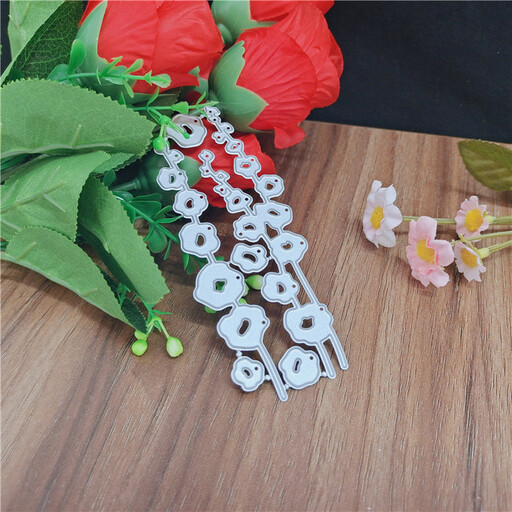
Why we love it: Perfect for getting started with card making or albums. The floral designs are versatile classics, perfect for any occasion (birthdays, thank you notes, spring decor...). Their small size makes them very easy to handle and position.
The designs are simple, without overly fine details, ensuring a clean cut even on standard paper and preventing any risk of tearing.
An excellent foundation for starting your die collection. It makes it easy to practice layering and colouring your die-cuts.
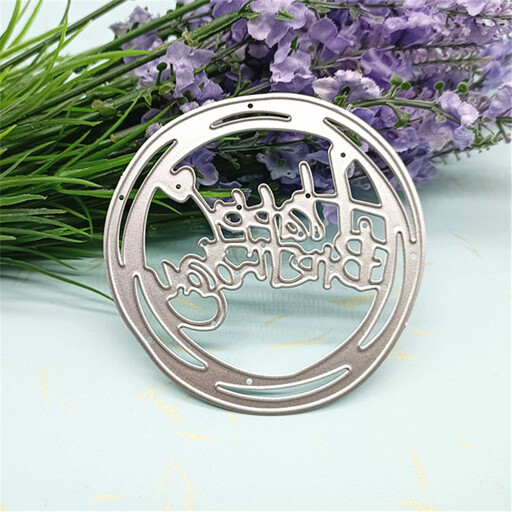
Why we love it: For anyone who regularly creates birthday cards, this type of text die is a must-have. It allows you to add a clear, elegant central message that will serve as the foundation for your design.
The typography was chosen for its readability and sturdiness. The letters are thick enough to prevent tearing, while the carbon steel ensures a durable edge, cut after cut.
A huge time-saver that provides a professional finish for all your birthday cards. It integrates effortlessly into any style.
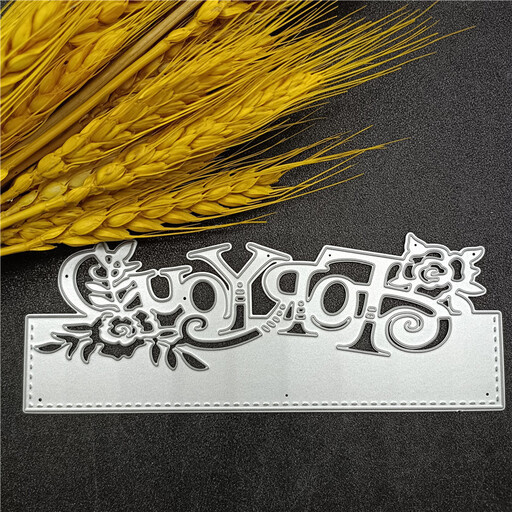
Why we love it: Perfect for adding a touch of elegance and sophistication to your creations. Ideal for wedding invitations, sophisticated greeting cards, or for framing a photo in a scrapbook.
Despite the delicate lace pattern, the die is designed for a clean cut. The small, built-in ejection holes are a game-changing detail: they make removing the paper scraps much easier, which is often a critical issue with complex designs.
It allows you to create flawless decorative borders that instantly give a premium feel to any project.
We've curated a complete selection of products that meet our strictest quality standards.
1. What die-cutting machine do I need to use these dies? Most carbon steel dies, like the ones in our selection, are compatible with the most common manual die-cutting machines (Sizzix Big Shot, Vaessen Creative Cut'Em Easy, etc.). However, we always recommend checking the maximum width accepted by your machine and comparing it to the die's dimensions before purchasing.
2. How do I care for my dies to make them last longer? After each use, remove any small, stuck paper pieces with a brush or a pointed tool. Pro tip for intricate designs: place a sheet of wax paper between the die and your paper to make cutting and release easier. Finally, store your dies flat (on magnetic sheets, for example) to prevent them from bending.
3. Can you emboss with a cutting die? Yes, absolutely. To create a raised effect (embossing) instead of cutting, simply replace the bottom cutting plate with a silicone embossing mat. The composition of your plate "sandwich" will be different. Just refer to your machine's manual to find the correct combination to use.