
Livraison le jour même ou le lendemain

Qualité garantie

Débloquez vos offres de bienvenue: Livraison GRATUITE | Jusqu'à -80 % | 30 jours d'essai gratuits à JoyPlus
Téléchargez l'application
In scrapbooking and card making, precision makes all the difference. For flawless cuts and sophisticated designs, cutting dies have become simply indispensable. But with an overwhelming number of options available, how do you navigate the choices and select the perfect die for your projects and your machine? This guide is here to demystify the process and help you find the hidden gems that will elevate your creations, without the marketing jargon.
Before diving into our top picks, let's review the essential criteria that will guide your choice.
This is the non-negotiable starting point. Not all dies are universal. Most cutting dies are thin metal plates, typically made of steel, compatible with the most popular consumer-grade machines (Sizzix Big Shot, Spellbinders Platinum, etc.). However, you must be vigilant: always check the die's dimensions and the opening width of your scrapbooking machine. Larger or thicker models sometimes require specific cutting plates or even a larger format machine.
Here, it's all a matter of style and project. Designs fall into a few main categories:
Also, consider the complexity of the cutting die. A highly detailed design will require good quality paper and, sometimes, several passes through the machine for a perfect result.
Nearly all dies are made of carbon steel. This material offers the ideal balance between the thinness required for precise cuts and the robustness needed for excellent longevity. A quality die won't warp and will maintain its sharp edge use after use. For maintenance, a simple sweep with a soft brush after use is enough to dislodge paper bits and preserve your cutting die.
We've scouted out a few gems that stand out for their versatility and creative potential.
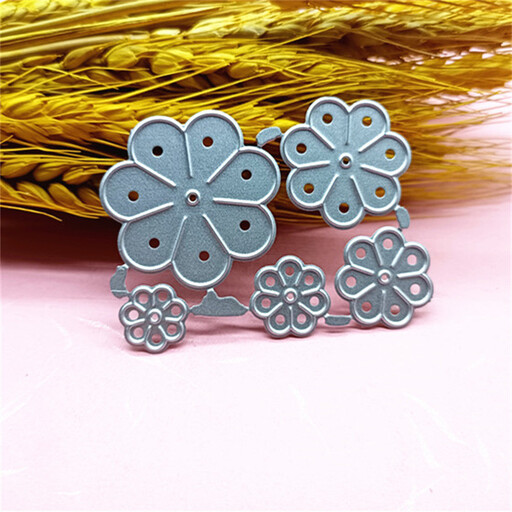
Why it stands out: The strength of this set is its layered design. Each flower is composed of several dies meant to be stacked. Once cut and assembled, they create a striking volume and depth effect. It's a perfect technique for those who want to move beyond simple flat die-cutting.
Key features:
Who is it for? For crafters who love to add dimension and texture to their cards, album pages, or decorations. It's the ideal option for fans of flower dies looking for a truly sophisticated result.
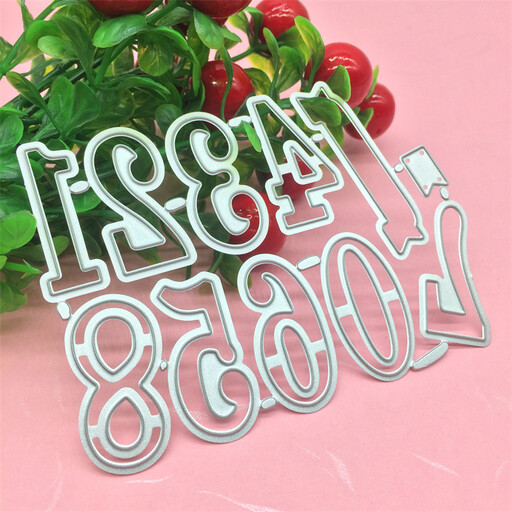
Why it stands out: A functional and ultra-comprehensive classic. It includes all 26 uppercase letters of the alphabet and 10 numbers in a clean, highly legible font. This versatility makes it indispensable for an infinite number of projects, from birthday cards to announcements.
Key features:
Who is it for? This is quite simply a must-have for anyone who enjoys scrapbooking or card making. Whether you're a beginner or an expert, a good alphabet die is a tool you'll reach for constantly to add a message, a name, or a date.
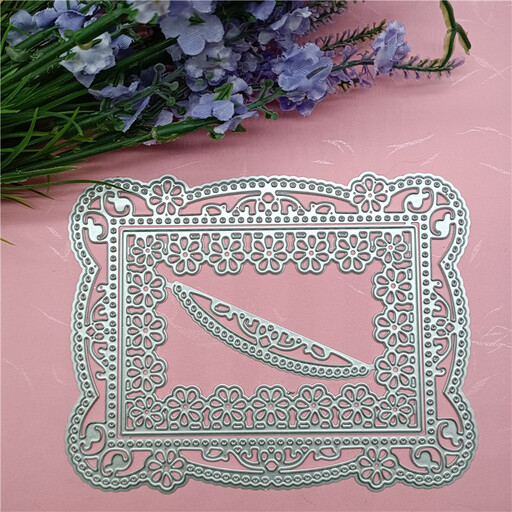
Why it stands out: Much more than a simple rectangle, this die cuts an ornamental frame that instantly becomes the centrepiece of a card or page. Its elegant design is perfect for highlighting a photo, message, or illustration, providing an immediate professional touch.
Key features:
Who is it for? For card making and scrapbooking enthusiasts who want to structure their compositions and spotlight certain elements. It's an excellent cutting tool for anyone aiming for a flawless finish on their greeting cards or album pages.
Your creativity has no limits, and neither does the world of dies. If our selection doesn't quite match your current project, hundreds of other shapes and styles are waiting for you.
Explore our complete collection of Paper Crafts to discover hundreds of other options, from animals and geometric shapes to seasonal designs.
Although they are often confused, the two tools are distinct. A die is a thin metal plate used with a machine to cut paper through pressure. A paper punch is a manual tool that punches paper with a single press, without a machine.
It couldn't be simpler. After each use, use a small brush or a fine pick to gently remove any paper residue stuck in the crevices. For storage, keep them flat (a magnetic sheet is ideal) to prevent them from warping.
Absolutely. Most thin dies can cut much more than just paper: cardstock, thin craft foam, vinyl, vellum, or even thin, heat-bonded fabric. However, always check the recommendations from your machine's manufacturer, as cutting thicker materials depends directly on the pressure it can exert.