
Livraison le jour même ou le lendemain

Qualité garantie

Débloquez vos offres de bienvenue: Livraison GRATUITE | Jusqu'à -80 % | 30 jours d'essai gratuits à JoyPlus
Téléchargez l'application
A good cutting board is an essential tool for any serious cook. Yet, with a dizzying array of materials, sizes, and features, making the right choice can be a real challenge. From stray bread crumbs and runaway meat juices on your countertop to hygiene concerns, finding the perfect model for your needs is crucial.
To help you navigate the options, we've broken down the key criteria and selected models that cater to specific needs. Our goal is to help you equip your kitchen with an accessory that is as practical as it is durable.
Before you buy, let's review the criteria that separate a great board from just another piece of wood (or plastic). Three key points will help you narrow down your choices.
The choice of material affects not only your board's lifespan but also the health of your knives and the hygiene of your food prep.
Certain design details can completely transform your cooking experience.
Using the same board for all foods (raw meat, vegetables, bread) is a sure-fire way to risk cross-contamination. The best practice, adopted from professional kitchens, is to dedicate a board to each food type. A set of cutting boards in different sizes or colours is the ideal solution for staying organised and ensuring impeccable hygiene without any hassle.
We've selected a few models that stand out from the crowd with their clever designs and features, tailored for different uses.
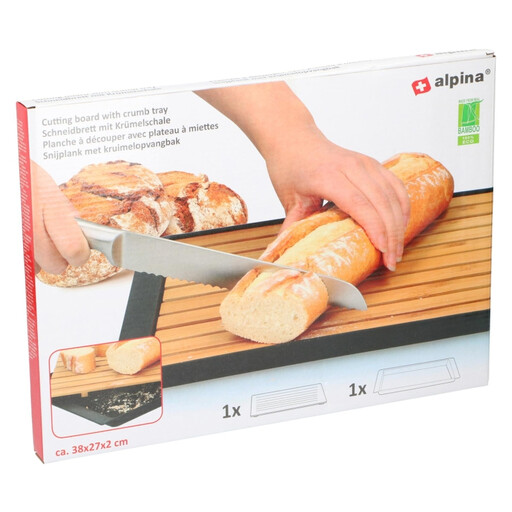
Why it stands out: This board brilliantly tackles the dreaded crumb problem. Its smart design makes it indispensable for slicing bread, cakes, or pastries.
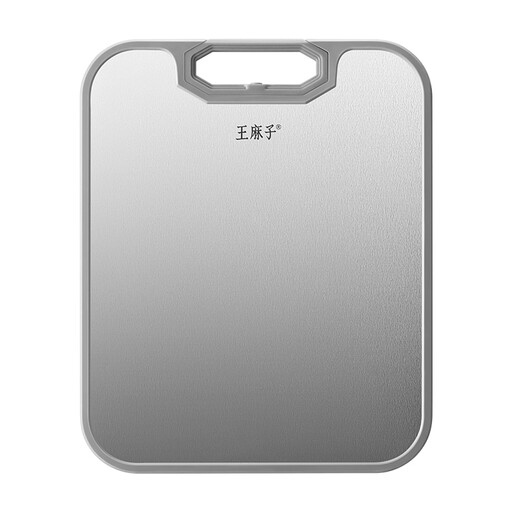
Why it stands out: This model combines the impeccable hygiene of stainless steel with an ultra-versatile, double-sided design to adapt to any cutting task.
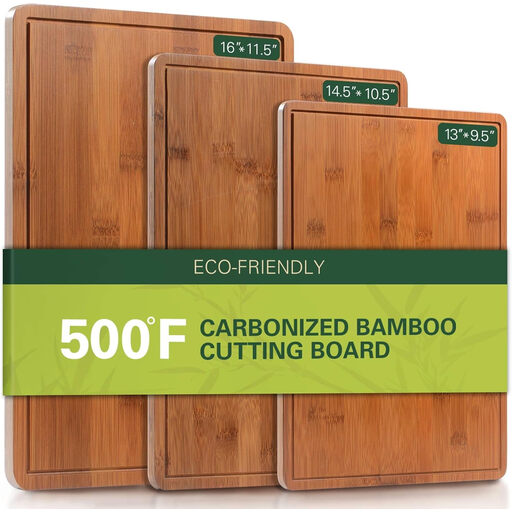
Why it stands out: This set is the all-in-one solution for perfect kitchen organisation. The carbonisation process strengthens the bamboo, enhancing its durability and moisture resistance.
Is slicing bread your top priority? If you're looking for other clever models to put an end to crumb chaos, you'll love our dedicated selection.
Discover Our Range of Bread Boards
There's no single answer, as hygiene depends as much on the material as it does on proper maintenance. A stainless steel cutting board is non-porous, which makes it inherently very hygienic and easy to clean. Plastic boards, when disinfected in the dishwasher, are effective but should be replaced once they have deep scratches. Finally, a well-maintained bamboo or wood cutting board has natural antibacterial properties.
To preserve your bamboo board, wash it by hand with warm water and mild soap immediately after use. Crucially, never let it soak or put it in the dishwasher. Dry it thoroughly with a cloth and let it air dry vertically. Occasionally, apply a food-grade mineral oil to nourish the wood and prevent cracking.
Yes, it's highly recommended to prevent cross-contamination between foods. Ideally, you should have at least one board for raw meat and fish, and another for ready-to-eat items (vegetables, fruits, bread). A set of cutting boards is the perfect solution for adopting this good habit without any fuss.