
Livraison le jour même ou le lendemain

Qualité garantie

Débloquez vos offres de bienvenue: Livraison GRATUITE | Jusqu'à -80 % | 30 jours d'essai gratuits à JoyPlus
Téléchargez l'application
The cutting board is an essential kitchen tool, yet choosing one is too often an afterthought. A poor purchase can quickly turn into a daily headache. A beautiful wooden board that splits after two washes, a plastic model covered in scratches within a month, a serving board too small to even slice a sausage… these scenarios are probably all too familiar.
To avoid throwing your money away, let's review the most common pitfalls:
wooden cutting board can warp, crack, or even split if it's made from improperly dried or untreated wood, or simply if it's poorly maintained.To make the right choice, focus on a few key criteria that determine your board's performance and lifespan.
The choice of material is crucial: it impacts durability, maintenance, hygiene, and even the life of your knives.
wood cutting board is appealing for its warm aesthetic and its softness, which is gentle on your knife edges. Dense woods like oak or maple are particularly robust and have natural antimicrobial properties. Their main drawback? Maintenance. They require hand washing and regular application of mineral oil to prevent them from drying out or cracking.bamboo cutting board is a very popular option, valued for its eco-friendliness and high hardness. Since bamboo is a fast-growing grass, it's a renewable resource. Naturally less porous than wood, it resists water and bacteria better. The downside: its hardness can dull blades more quickly than a classic wood board.plastic cutting board, typically made of high-density polyethylene (HDPE), is the go-to choice for convenience and affordability. It requires no special maintenance and is completely dishwasher-safe. Its Achilles' heel remains its tendency to get scratched, which can compromise its hygiene over time.Beyond the material, certain functional features distinguish a good board from a mediocre one.
cutting board set with a colour-coding system serves the same purpose in an even more visual way.serving board? For appetisers, a charcuterie board or a cheese platter made of wood or slate will beautifully showcase your products.We have scoured the market to identify products that meet specific needs while avoiding the most common pitfalls.
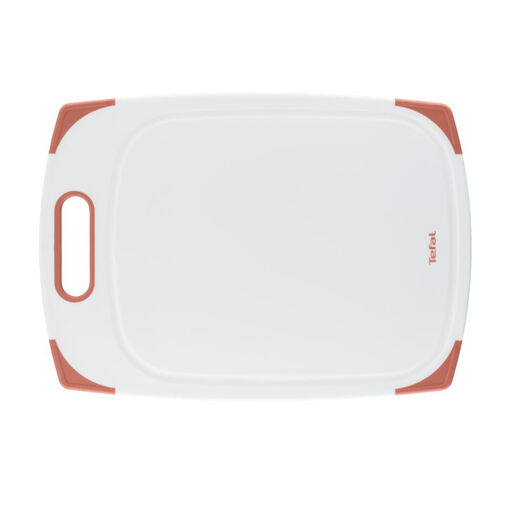
Why we love it: For those who cook daily and prioritise practicality, this model checks all the boxes: it's stable, easy to clean, and well-designed for intensive use.
Its non-slip design solves the safety problem of sliding boards. Its quality plastic and dishwasher-safe compatibility meet the hygiene challenge, unlike low-end models that get gouged and degrade in record time.
Integrated juice groove for a consistently clean work surface. Ergonomic handle for transport and storage.
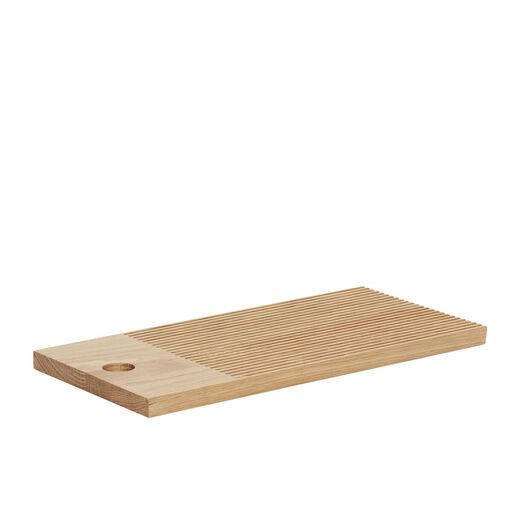
Why we love it: Ideal for those who love to entertain and are looking for an object that is as beautiful as it is functional. Perfect as an `appetiser board`, `charcuterie board`, or `cheese platter`, it remains just as effective for daily prep.
Made from FSC certified solid oak, it guarantees quality and durability, far from the warping risks of low-end woods. Its versatile design is intended for dual use, preventing the need for multiple boards.
Noble and durable material (solid oak). Highly versatile: as practical for cutting as it is for an elegant presentation.

Why we love it: This `cutting board set` is the all-in-one solution for families who want an organised kitchen and impeccable hygiene. The different sizes adapt to all preparations, from a garlic clove to a roast chicken.
The set naturally encourages separating foods (meat, vegetables, etc.), which drastically limits the risk of cross-contamination. The carbonisation treatment of the bamboo reduces moisture absorption, thus combating warping and cracking—typical flaws of entry-level bamboo boards.
Set of 3 sizes for maximum versatility. Carbonised bamboo for better moisture resistance. Juice groove and handles integrated on each board.
Explore our full, updated selection of products that meet our quality criteria and current safety standards.
Proper maintenance is the key to its longevity. The golden rule: never put it in the dishwasher or let it soak in the sink. Wash it by hand with warm water and a little soap, then dry it immediately and completely with a clean cloth. To nourish and protect it, apply a thin layer of food-grade mineral oil about once a month.
It is highly recommended for basic hygiene reasons. The ideal is to have at least two: one for raw foods (meat, fish) and another for ready-to-eat foods (vegetables, fruit, bread). This helps prevent cross-contamination. A cutting board set with a colour code or different sizes is the easiest way to avoid any mix-ups.
The debate is more complex than it seems. A new, scratch-free plastic board that is run through a high-temperature dishwasher is perfectly hygienic. The problem comes with wear and tear: deep cuts from knives become havens for bacteria that are difficult to dislodge. Conversely, wood has natural antimicrobial properties that help neutralise bacteria. However, it requires rigorous manual maintenance. The final choice depends on your habits and your cleaning discipline.