
Livraison le jour même ou le lendemain

Qualité garantie

Débloquez vos offres de bienvenue: Livraison GRATUITE | Jusqu'à -80 % | 30 jours d'essai gratuits à JoyPlus
Téléchargez l'application
For enthusiasts of premium peripherals and pros searching for the ultimate tool, a keyboard is never just an accessory. It's the centrepiece of your desk setup, the instrument that elevates every keystroke. If you've been tempted by the idea of building your own custom mechanical keyboard, or if you simply want to take your setup to the next level, you've come to the right place. Forget the marketing fluff and technical jargon: this guide gets straight to the point, showcasing the best in customisation based on the performance, materials, and modularity that truly matter.
The world of custom keyboards can seem intimidating with its vast array of options. To help you navigate, let's focus on the criteria that make a real difference.
The main appeal of a custom keyboard is its ability to evolve with your preferences. The hot-swappable feature is an absolute must-have: it allows you to swap out switches on the fly, without ever touching a soldering iron. It opens the door to experimentation, letting you find the perfect typing feel and sound by trying out linear, tactile, or clicky switches.
On the software side, compatibility with VIA (or QMK) is just as crucial. It gives you total control to remap any key, create powerful macros, or manage multiple profiles—all in real-time and without any technical headaches.
The choice of chassis is critical: it shapes not only the keyboard's durability and weight but also its sound signature. A CNC-machined aluminium keyboard is often the gold standard for its unyielding rigidity, premium finish, and its influence on typing acoustics.
The switch mounting method is equally important. Structures like Gasket Mount or Leaf Spring Mount isolate the plate from the chassis. The result? A softer, more flexible typing experience and, most importantly, that deep, muted sound that enthusiasts seek, known as a thocky keyboard.
A great wireless mechanical keyboard today must offer tri-mode connectivity: Bluetooth for easily switching between multiple devices, a low-latency 2.4?GHz connection for no-compromise gaming, and a USB-C port for wired use or charging. Add a high-capacity battery (8000?mAh, for example), and you get weeks of autonomy, for a desk finally free from the tyranny of cables.
Let's get practical with models that check all the boxes for enthusiasts: premium materials, cutting-edge features, and endless customisation potential.
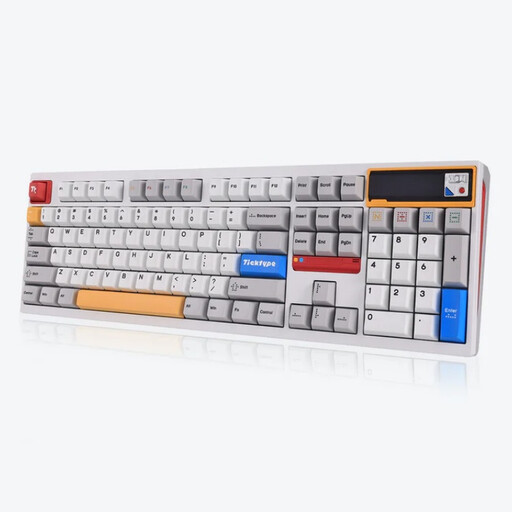
Why It Stands Out: The DP104 combines a full 108-key layout with the features of a high-end custom keyboard. Its full aluminium chassis, customisable pixel screen, and Leaf Spring structure make it a solid and versatile foundation.
Key Features:
Who Is It For? Professionals, developers, and creators who rely on a number pad but refuse to compromise on build quality and customisation options.
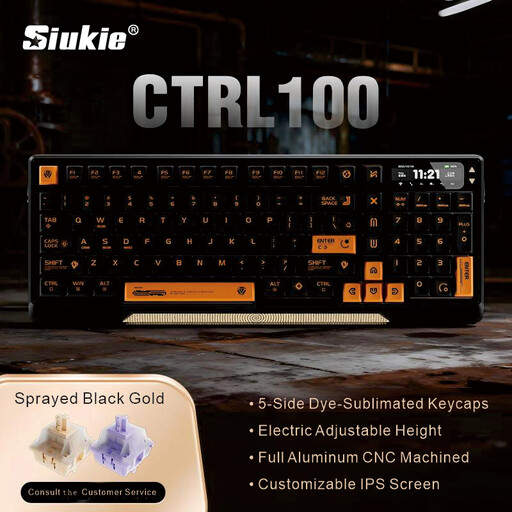
Why It Stands Out: The CTRL100 breaks the mould with its incredible motorised lift mechanism, which allows for dynamic typing angle adjustments. Between its CNC aluminium chassis and customisable IPS screen, it's more than a keyboard: it's a true technological showcase.
Key Features:
Who Is It For? Tech aficionados and aesthetes who want more than just a keyboard: a centrepiece for their desk that combines bold design with cutting-edge innovations.
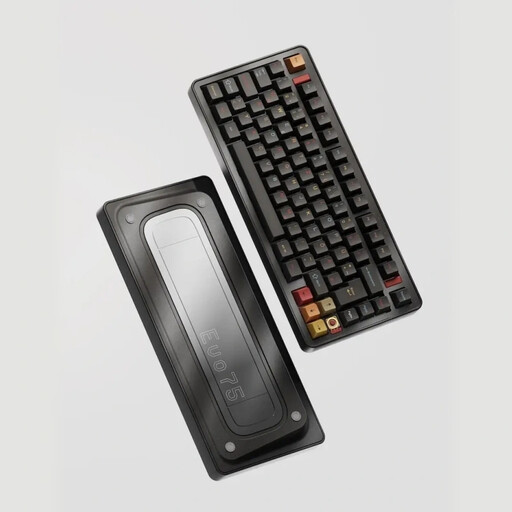
Why It Stands Out: The EVO75 is a 75% layout keyboard that maximises desk space while retaining essential function keys. Its VIA compatibility and quick-disassembly design make it an excellent choice for those who love to experiment.
Key Features:
Who Is It For? Competitive gamers, developers, and on-the-go users looking for a compact, high-performance, and fully programmable keyboard to adapt to their every need.
Tempted by these models, but they don't check all your boxes? If the premium feel and robustness of a metal chassis appeal to you, explore other layouts and designs.
? Discover our full selection of aluminium keyboards to find other layouts and designs.
The term "thocky" is enthusiast jargon used to describe the ideal sound of a mechanical keyboard. Imagine a deep, muted, and low-pitched typing sound—the opposite of the high-pitched, plasticky "click" of a low-end keyboard. This sound is the acoustic holy grail! It's the result of a complex alchemy between the switches (often lubed linears), keycaps, chassis ( aluminium is an excellent contributor), mounting structure (Gasket, Leaf Spring), and the use of dampening foams.
Absolutely, even if the entry price is higher. An aluminium chassis isn't just an aesthetic whim; it's an investment justified on several fronts. Its durability is incomparable to plastic, making it a keyboard built to last. Its weight gives it unshakeable stability on your desk, even during the most intense gaming sessions. Finally, and crucially for enthusiasts, the metal transforms the typing acoustics, giving the sound more body and depth.
A hot-swappable keyboard is simply one where you can change the switches as easily as Lego bricks, with no soldering required. Its printed circuit board (PCB) is equipped with small sockets that allow you to plug and unplug them at will. It's the star feature for anyone who wants to customise the feel and sound of their keyboard, or simply replace a faulty switch in seconds. Today, it's an almost essential criterion for any custom mechanical keyboard worthy of the name.