
Livraison le jour même ou le lendemain

Qualité garantie

Débloquez vos offres de bienvenue: Livraison GRATUITE | Jusqu'à -80 % | 30 jours d'essai gratuits à JoyPlus
Téléchargez l'application
Asian cuisine is on the rise, and its desserts are no exception. Among them, the custard cake is particularly intriguing with its creamy flavours and sometimes surprising textures. But between the different types of pastry, original fillings like taro or salted egg yolk, and the multitude of formats, it can be hard to know where to start.
Our guide is here to demystify this delicious world and help you choose the filled Asian pastry that will delight your taste buds—all without the marketing fluff.
To make the right choice, here are the key criteria to keep in mind.
The term "custard" refers to a smooth cream, often egg-based, but Asian variations are far more creative.
The pastry shell is just as important as its filling. There are three main types of dough:
The format will also depend on the occasion. An individually wrapped Asian sweet snack is perfect for a quick treat on the go. In contrast, frozen products that need to be fried or baked, like sesame balls, become a warm and comforting dessert, ideal for sharing.
Here are a few recommended options, each offering a distinct tasting experience.
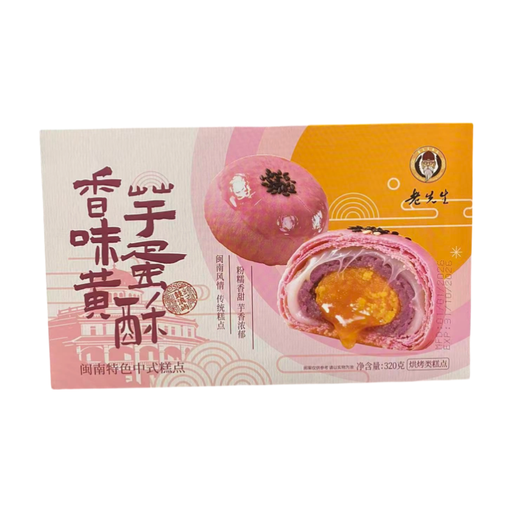
Why it stands out: This pastry is a true multi-layered experience of flavours and textures. The sweetness of taro, the chewiness of mochi, and the savoury salted egg yolk centre create a surprising and addictive balance.
Key features:
Who is it for?: For the adventurous eater who isn't afraid of bold combinations and multiple textures.
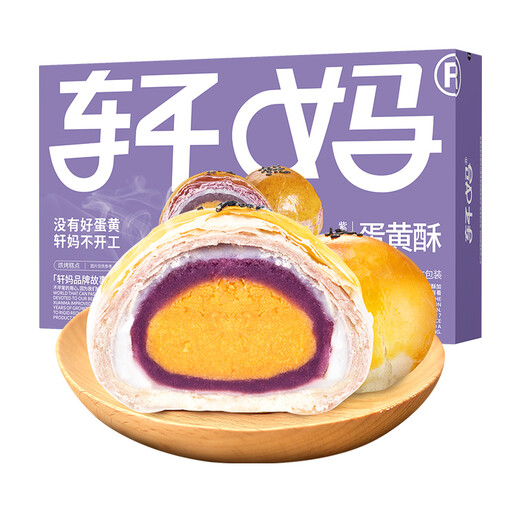
Why it stands out: This pastry showcases purple sweet potato, with its smooth purée enveloping a salted egg yolk centre. Its butter-rich dough is both crumbly and melt-in-your-mouth.
Key features:
Who is it for?: For lovers of flaky, buttery pastries who enjoy gentle, earthy flavours enhanced with a hint of salt.
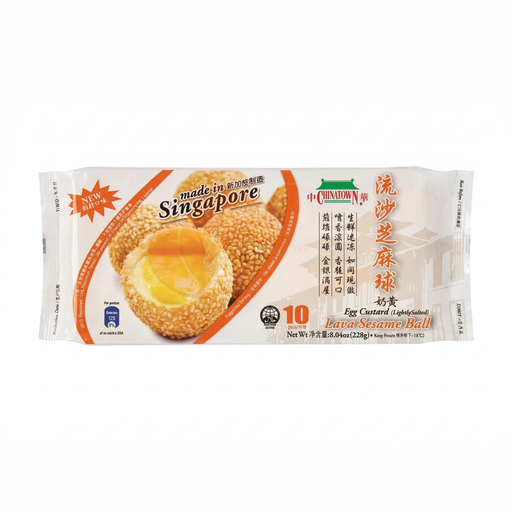
Why it stands out: This frozen dessert allows you to prepare a warm, nostalgic treat in minutes. Once fried, these balls reveal a crispy exterior and an ultra-runny molten custard centre.
Key features:
Who is it for?: For fans of warm desserts and playful textures who want to recreate the pleasure of an Asian restaurant dessert at home.
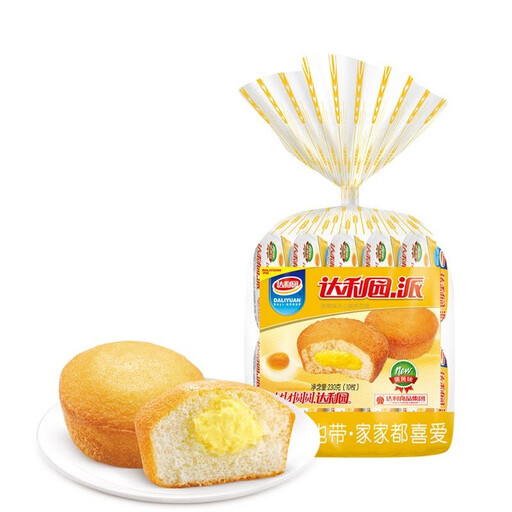
Why it stands out: This Chinese custard cake is a simple and effective classic. It consists of a very light and airy sponge cake filled with a thin layer of custard-flavoured cream.
Key features:
Who is it for?: For families and anyone looking for a simple, light, and portable snack with the nostalgic taste of a childhood cake.
The world of Asian sweets extends far beyond custard. Fruity mochi, traditional mooncakes, crunchy biscuits... a multitude of treasures are waiting for you.
To expand your culinary horizons, explore our complete selection of pastries and desserts.
The main difference lies in the ingredients and flavours. Asian pastries often incorporate rice flour (for mochi) or purées of root vegetables (taro, sweet potato) in their fillings. They are also distinguished by bold sweet-and-salty combinations, like the salted egg yolk pastry, which are much less common in classic French baking.
It all depends on the product. Dry, individually wrapped cakes can be stored in a cool, dry cupboard. For frozen products like the CHINATOWN sesame balls, they must be kept in the freezer until you're ready to cook them. In any case, the easiest way is to follow the instructions on the packaging.
No, not at all. The taste is not comparable to a savoury cracker. The salted egg yolk acts as a flavour enhancer, much like a pinch of sea salt on a chocolate dessert. It adds a rich, complex flavour (umami) and a sandy texture that balances the sweetness of the filling. It's a subtle balance, not an overwhelming saltiness.