
Livraison le jour même ou le lendemain

Qualité garantie

Débloquez vos offres de bienvenue: Livraison GRATUITE | Jusqu'à -80 % | 30 jours d'essai gratuits à JoyPlus
Téléchargez l'application
Curly hair products don’t all serve the same purpose. Wavy hair might lack hold, while curly or coily hair needs more nourishment and protection from dryness. Yet packaging often promises “long-lasting definition”, “intense hydration” or an “anti-frizz effect” without always specifying which hair type the formula is designed for.
Before putting together your curly hair routine, it’s worth keeping three common pitfalls in mind:
A consistent routine usually follows four steps:
A shampoo can’t replace a detangling conditioner, and a gel won’t necessarily provide the nourishment that very dry hair needs.
Silicone-free and sulphate-free claims may match your preferences, but they aren’t enough to judge a formula. Also look at where cleansing agents, oils, film-forming ingredients and fragrance sit on the INCI list.
The Franck Provost gel shown below, for example, is labelled silicone-free, sulphate-free and mineral oil-free. On the other hand, some styling mousses contain denatured alcohol, propellant gases or silicones. That doesn’t automatically make them unsuitable, but these ingredients deserve your attention if you have a sensitive scalp or follow a specific routine.
People with allergies should also check for fragrance allergens such as limonene, linalool, coumarin or benzyl alcohol. The list printed on the packaging is the only reliable reference, because formulations can change.
Curl definition largely depends on how much you use. Start with a small amount on damp hair, distribute it from mid-lengths to ends, then scrunch the strands between your hands. Applying to very wet hair can help curls form, while applying to dry hair is mainly for refreshing your style.
To minimise frizz, avoid touching your hair while it dries. Air-drying works well for some textures. A diffuser can cut down drying time, but use a moderate heat setting and keep the tool a sensible distance from your scalp.
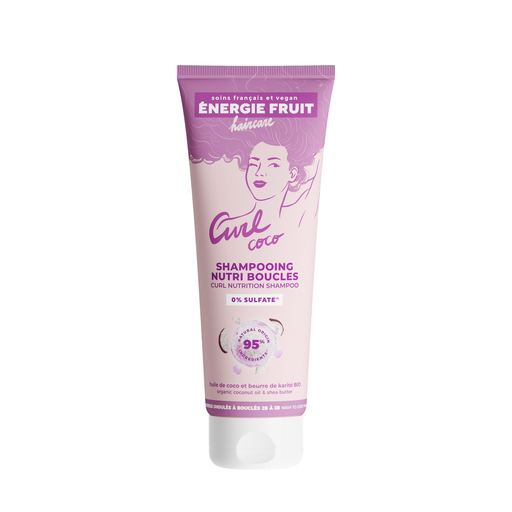
Why this choice suits this profile: Its sulphate-free and silicone-free formula is suitable for wavy to curly hair starting a simple routine. The texture is enriched with coconut oil and shea butter.
The ingredients list lets you actually verify the absence of sulphates and silicones, rather than relying on the word “nourishing” alone.
250 ml size, stated neutral pH, coconut oil and shea butter.
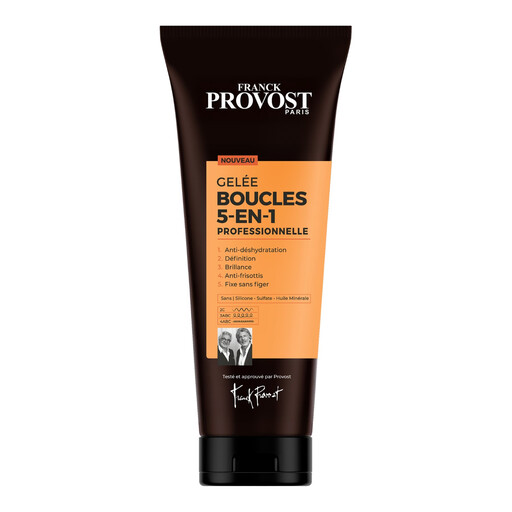
Why this choice suits this profile: This leave-in gel works for curly hair types 2C to 4C looking for a single styling step, with a flexible finish as long as you adjust the amount you use.
Its product page clearly states it’s free from silicone, sulphates and mineral oil, and that it should be applied to damp or wet hair.
250 ml 5-in-1 gel, with a finish that’s said to be non-sticky and leave no visible residue.
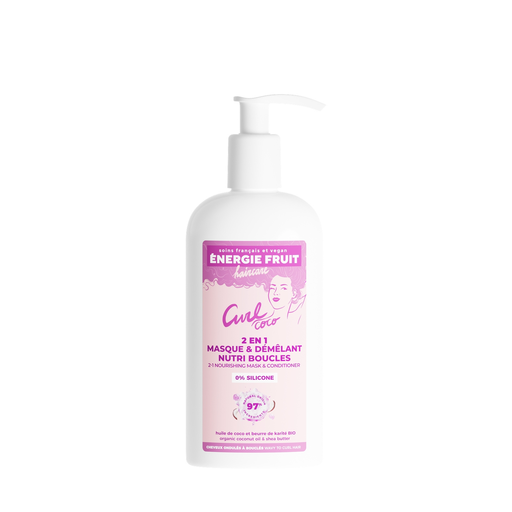
Why this choice suits this profile: This mask is designed for curly and coily hair that needs a richer regular treatment than a standard conditioner.
Its usage instructions are clearly stated: apply to clean, damp hair, leave on for a few minutes, then rinse, once or twice a week.
300 ml size, silicone-free formula, shea butter and coconut oil.
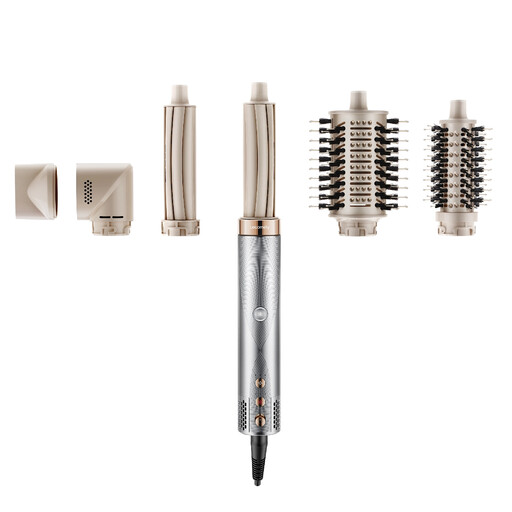
Why this choice suits this profile: This tool is for people who want to dry and style their hair with multiple attachments, especially for creating curls or working with wavy hair.
The instructions specify using it on towel-dried hair, adjusting the heat and cleaning the filter regularly – details that are often overlooked at the time of purchase.
5-in-1 configuration, automatic airflow curling function and a price of €54.90 with code FR22, according to the offer stated.
We’ve put together a full, real-time updated selection of products that meet these strict criteria and European safety standards.
Begin with a curly hair shampoo, a conditioner and one styling product. Add a mask once a week if your hair still feels dry. This approach lets you see what actually works without piling on products.
Apply a small amount of leave-in cream or gel to damp hair, then scrunch the lengths. Avoid brushing your hair several times when it’s dry, and use a soft towel or a fabric that absorbs water without rubbing the hair fibre.
Once or twice a week is common for curly, wavy or coily hair. If your hair feels heavy or loses volume, reduce the amount you use and space out applications. The instructions on the packaging should always take priority.