
Livraison le jour même ou le lendemain

Qualité garantie

Débloquez vos offres de bienvenue: Livraison GRATUITE | Jusqu'à -80 % | 30 jours d'essai gratuits à JoyPlus
Téléchargez l'application
Wavy, curly, frizzy or coily hair all have different needs. Yet the shelves dedicated to curly hair products are overflowing with promises of hydration, definition and anti-frizz. To avoid disappointing purchases, it’s worth looking at the ingredients, how to use the product and whether it actually suits your hair texture.
A formula rich in oils, butters or silicones can make hair feel softer to the touch. However, used too often, it can weigh down fine waves. On the other hand, very dry, thick or coily hair may need a more nourishing treatment for dry and damaged hair.
Check where ingredients sit on the list and start with a small amount. A rich conditioner doesn’t necessarily need to be applied to the roots.
Claims like “72 hours”, “10 days” or “48-hour anti-frizz” are sometimes based on instrumental tests or the brand’s own data. They don’t guarantee the same result for everyone: ambient humidity, hair porosity and how often you wash can all change the outcome.
For example, a Garnier product’s description claims hydration for up to 72 hours, while Dessange states its serum controls frizz for up to 48 hours, based on an instrumental test. So these figures should be seen as information provided by the manufacturer, not as a universal guarantee.
A curl gel or styling mousse for curls can help structure your hair. However, too much hold can leave a stiff finish, and may even dry out the lengths. If you have a sensitive scalp, pay particular attention to denatured alcohol, fragrance and certain film-forming agents.
A shampoo for curly hair should cleanse the scalp without making the lengths feel rough. Sulphate-free formulas can work well for dry hair, but “sulphate-free” doesn’t necessarily mean the product contains no strong cleansing agents. Check the INCI list and consider how often you wash.
Formulas with glycerin, aloe vera, shea butter or plant oils are often sought after for hydrating curly hair. Their effectiveness, however, depends on the overall formula and the amount you use.
To reduce breakage, choose a conditioner for curly hair that contains conditioning agents and offers plenty of slip. Apply it mainly to the lengths and ends, then detangle with your fingers or a wide-tooth comb.
Sizes of 450 ml or 1,000 ml can lower the cost per use. But do check the shelf life and storage conditions. A large bottle is only a good deal if the formula genuinely works for your hair.
Curl definition rarely comes from a single product. A simple routine could include:
Let your hair air-dry whenever possible. If you use a diffuser, choose a moderate heat setting and avoid holding the heat in one spot for too long.
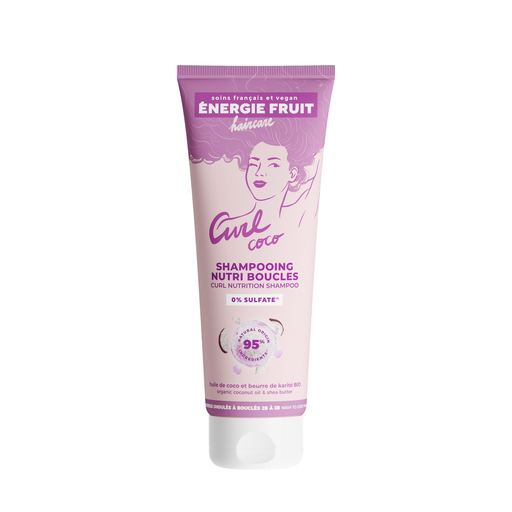
Why this suits this profile: Its sulphate-free and silicone-free formula is designed for wavy to curly hair. At 250 ml, this shampoo lets you try a routine without buying lots of products.
The description states gentle cleansing and a sulphate-free, silicone-free formula. This helps you avoid choosing a shampoo based solely on a promise of curl definition.
Organic coconut oil and shea butter are listed in the ingredients; the brand also mentions a neutral pH.
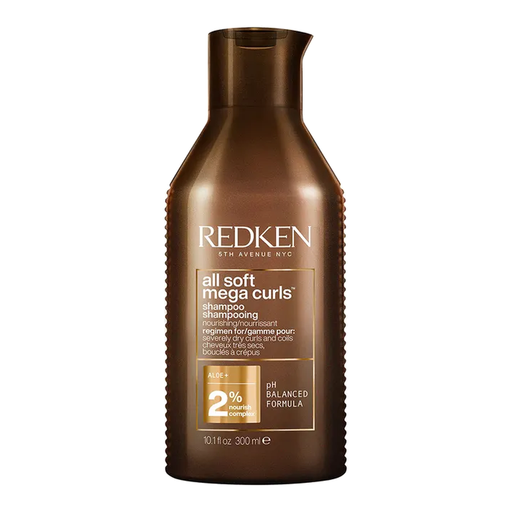
Why this suits this profile: It targets naturally dry, curly to very curly hair. Its formula is said to be sulphate-free and the bottle contains 300 ml.
The description details the cleansing agents and recommends following up with the conditioner and leave-in treatment from the same range. This makes it easier to build a consistent routine.
The INCI list includes glycerin and aloe vera powder; the brand recommends it for curly to coily hair.
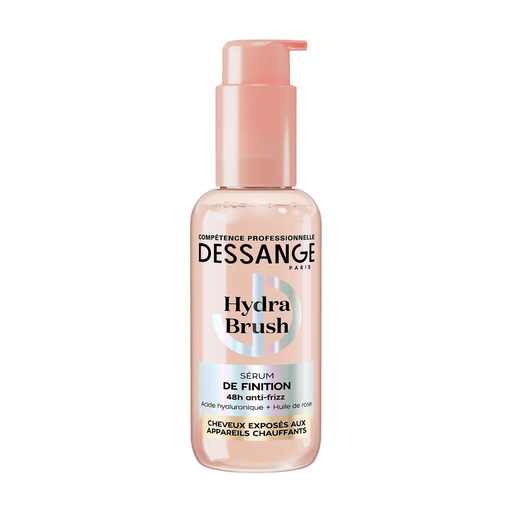
Why this suits this profile: This leave-in serum is designed for people who regularly use a hairdryer, hot brush or other heated styling tool.
Heat protection is clearly stated, with a recommendation of 2 to 3 pumps on the lengths and ends. Still, follow the instructions and avoid contact with the eyes.
110 ml leave-in serum; hyaluronic acid and rose flower extract are listed in the ingredients.
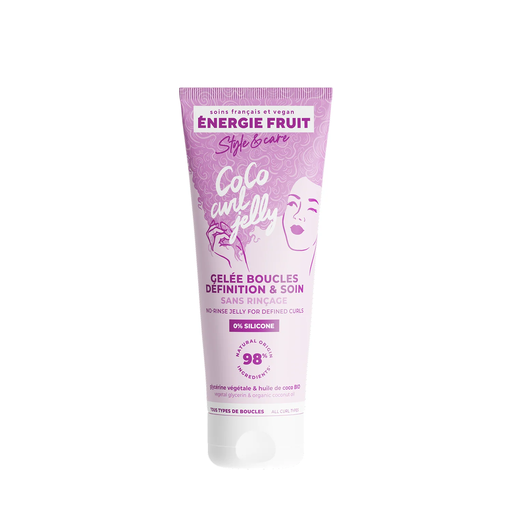
Why this suits this profile: Its application on damp hair and its gel texture make it ideal for those who want to shape their curls without using an aerosol mousse.
The formula is said to be alcohol-free and leaves no white residue. Still, start with a small amount to avoid a stiff feel or product build-up.
200 ml gel; glycerin, coconut oil and Caesalpinia spinosa gum are listed in the ingredients.
We’ve put together a full, real-time selection of products that meet these strict criteria and comply with European safety standards.
Begin with a shampoo, a conditioner and one styling product. You can then add a leave-in treatment or heat protectant depending on your needs. This approach makes it easier to spot which product is weighing down or drying out your hair.
It depends on your scalp, your activity level and how much styling product you use. Washing too often can increase dryness in the lengths, while leaving it too long can lead to product build-up. Adjust your routine gradually and always rinse thoroughly.
Apply your styling product to damp hair, distribute it in small sections, then gently scrunch the lengths. You can pair a light gel with a leave-in treatment. If a hard cast forms after drying, gently press the curls between your hands to soften it, without adding more product straight away.