
Livraison le jour même ou le lendemain

Qualité garantie

Débloquez vos offres de bienvenue: Livraison GRATUITE | Jusqu'à -80 % | 30 jours d'essai gratuits à JoyPlus
Téléchargez l'application
Curly hair products are taking over shelves and online shops: shampoos, masks, defining creams, gels, styling mousses and curl-refreshing sprays. Yet a long, expensive routine doesn't guarantee easier-to-style hair. The result depends above all on your hair's texture, porosity, dryness level and how much product you actually use.
A shampoo or mask can make the hair fibre softer, but it will never replace a styling product. Conversely, a gel can define curls well without providing enough comfort to the lengths. A balanced routine generally relies on:
Claims like "72 hours", "anti-frizz" or "humidity protection" are commercial assertions that can depend on the usage protocol. They don't necessarily predict the result on your hair. It's better to examine the ingredients, the instructions, the format and how compatible it is with your hair type.
Fine hair can quickly lose volume with a cream that's too rich. Conversely, frizzy or coily hair may need several nourishing treatments. Wavy and curly hair don't all react the same way.
A product can quickly become annoying to use if it leaves a white residue, feels sticky on the fingers, has an overpowering scent or requires a large amount for each application. For heated styling tools, pay close attention to the temperature, the plug type and the conditions for use on dry hair.
To choose a shampoo for curly hair, start by working out whether it suits your washing frequency. Sulphate-free and silicone-free formulas can work for those looking for a gentler cleanse, but the INCI label is still essential. The presence of conditioning agents, glycerin, oils or butters can change the feel and the final result.
Sensitive individuals should also watch out for declared fragrance allergens such as limonene, linalool or coumarin. Introduce a new product gradually and stop using it at the first sign of irritation.
A mask for curly hair enriched with coconut oil or shea butter can be beneficial for dry, thick lengths. Use it once or twice a week, following the manufacturer's recommendations, then rinse thoroughly. On fine hair, targeted application to the ends is often better than applying it to the roots.
The format is also worth considering: a pot or bottle of 200 to 300 ml lets you test a routine without too much expense, while a larger pack can work out more economical if you use it frequently or for the whole family.
To better define your curls, apply styling products to damp hair, distribute them section by section, then scrunch the lengths. A curl defining cream generally offers more flexibility; a curly hair gel holds the shape better; a curl styling mousse keeps a light feel while preserving volume.
If you use a heated brush or straightening iron, keep an eye on the temperature. Fine or damaged hair needs moderate heat. A heated styling tool should never be used on wet hair, near water or left unattended. For a model sold in Europe, check for the CE mark, the manufacturer's information and plug compatibility.
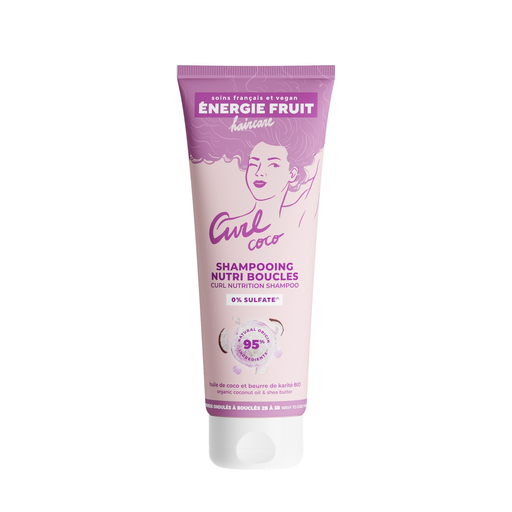
Why this suits this profile: With its 250 ml format and simple use, this shampoo is a good starting point for a first routine dedicated to wavy to curly hair.
The listing states a sulphate-free and silicone-free formula, so you can clearly check the ingredients before buying.
The formula contains coconut oil and shea butter; apply to wet hair then rinse.
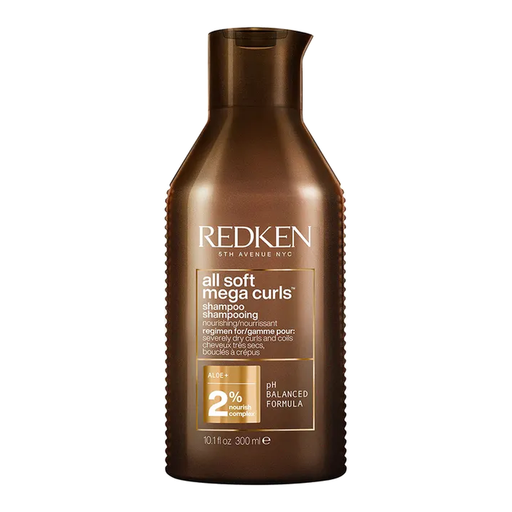
Why this suits this profile: Its 300 ml format and positioning within a range dedicated to naturally dry hair can fit into a more complete routine.
The listing specifies it's a sulphate-free shampoo designed for curly to coily textures, not a one-size-fits-all formula.
The INCI list includes glycerin and aloe vera extract; the shampoo is designed to be paired with a conditioner or leave-in treatment from the same range.
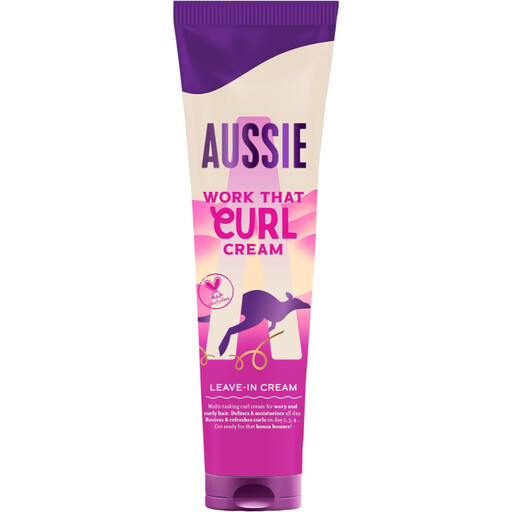
Why this suits this profile: This leave-in treatment can be applied after washing, but also between shampoos to revive shape and bounce in the lengths.
Its instructions say to apply to wet or dry hair without rinsing, so you can easily adjust the amount.
Its 160 ml format contains coconut oil and can both define curls and refresh them.
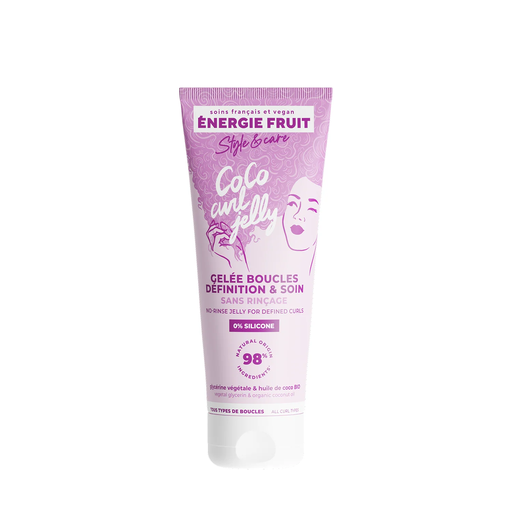
Why this suits this profile: It's aimed at those who want to add a light hold step after their cream or leave-in treatment.
The listing mentions an alcohol-free, non-sticky formula with no white residue; start with a small amount.
Its 200 ml format is used on damp hair, scrunching the curls, then left to air-dry or dried with a diffuser.
We've put together a full selection, updated in real time, of products that meet these exacting criteria as well as European safety standards.
A diffuser, a wide-tooth comb or a suitable towel help minimise handling and preserve the shape of your curls. To create waves, a three-barrel mini waver like the Jean-Louis David LITTLE WAVER has ceramic-coated plates, dual voltage from 110 to 240 V and a maximum temperature of 200 °C. Use it only on dry hair, keeping it away from flammable surfaces.
A heated brush like the Wavytalk Thermal Brush offers five temperature settings, from 150 to 215 °C. It doesn't replace a hairdryer and should be used on a small, dry, detangled section. Let the hair cool down before doing the final styling.
Start with the shampoo, then apply the mask as often as planned. After rinsing, distribute a leave-in treatment through the lengths. Then add a cream, mousse or gel depending on the volume and hold you want.
Follow the expiry date or the period after opening stated on the packaging. Store bottles away from heat and sunlight. If the smell, texture or colour changes, stop using it.
Start by applying a small amount of product to very damp hair, distribute it section by section and avoid touching your hair while it dries. If your curls lack volume, use less cream and opt for a light mousse or a refreshing spray between washes.