
Livraison le jour même ou le lendemain

Qualité garantie

Débloquez vos offres de bienvenue: Livraison GRATUITE | Jusqu'à -80 % | 30 jours d'essai gratuits à JoyPlus
Téléchargez l'application
Curly hair products now take up a significant amount of shelf space both in stores and online: hydrating shampoo, nourishing mask, curl-defining gel, styling mousse, and leave-in cream. But an effective routine isn't about piling on the bottles. A shampoo that's too harsh can worsen dryness, while a treatment that's too rich can weigh down wavy or curly hair.
Here are the criteria to consider before you place your order, along with a selection tailored to different hair types.
Phrases like "intense hydration", "long-lasting definition" or "anti-frizz" give you an idea of what the product aims to do, but they don't guarantee the same result on every head of hair. Your hair's porosity, density, thickness and level of dryness all play a crucial role.
So take the time to check the INCI list, the hair type it's designed for, and the usage instructions. A specific claim is still a manufacturer's assertion: the percentages highlighted for certain Energie Fruit products come, for example, from tests or studies presented by the brand and don't constitute a guarantee that works for everyone.
Curly and coily hair, as well as highly porous hair, can benefit from nourishing ingredients like shea butter or certain plant oils. However, a build-up of fatty substances or polymers can weigh curls down and leave them looking dull.
On the other hand, a predominantly hydrating treatment can improve flexibility without being enough to reduce breakage caused by dryness. A balanced routine generally rests on four steps: gentle cleansing, detangling, deep conditioning and lightweight styling.
Sulphate-free products can work well for those looking for a less stripping cleanse, but they aren't automatically better for every scalp. Similarly, silicone-free products can have a place in a minimalist routine, while some damaged hair actually benefits from the smoothing effect of certain conditioning agents.
Always check the label of the product you choose: ingredient lists can change. If you have a sensitive scalp, do a careful patch test and stop using the product at the first sign of irritation.
A curly hair shampoo should cleanse the scalp without leaving the lengths feeling rough after rinsing. The formulas from Energie Fruit Curl Nourishing Shampoo and John Frieda Frizz Ease Couture Curl Shampoo are presented as sulphate-free. The Energie Fruit shampoo is also said to be silicone-free, with organic coconut oil and shea butter.
This doesn't mean you need to wash the lengths with the same intensity every time you shampoo. Apply the product mainly to your scalp, then let the foam run through the lengths as you rinse.
Curly hair conditioner makes detangling easier and reduces the manipulation that can weaken the hair fibre. Apply it to the lengths and ends, then detangle with your fingers or a wide-tooth comb.
Curly hair mask is used less frequently, typically once or twice a week depending on your hair's condition. For dry, curly or coily lengths, the Energie Fruit Coconut & Shea Butter mask and the Franck Provost Nutri-Frizz mask offer nourishing textures. The latter is presented as sulphate-free, silicone-free and mineral oil-free.
Choosing between curl-defining gel, mousse and leave-in cream depends on the result you're after:
To avoid a stiff, crunchy effect, start with a small amount on damp hair. Distribute the product section by section, then scrunch the lengths. Air-drying or using a diffuser on a moderate heat setting will then help minimise handling.
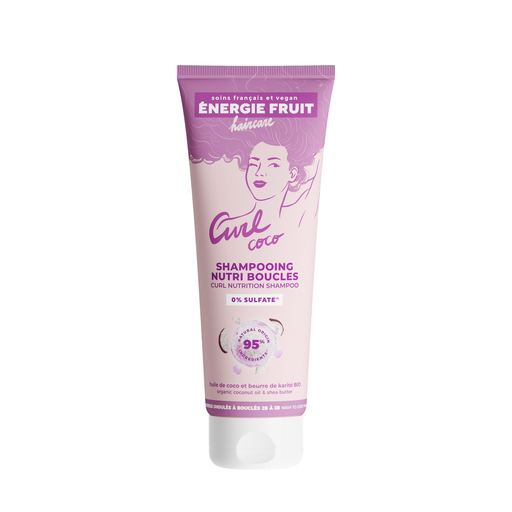
Why this suits this profile: a simple foundation for starting a routine designed for wavy to curly hair, with a formula said to be sulphate-free and silicone-free.
The listing mentions a sulphate-free and silicone-free formula and recommends thorough rinsing. This helps you avoid choosing based solely on scent or attractive packaging.
250 ml, organic coconut oil, shea butter and a neutral pH as stated by the manufacturer.
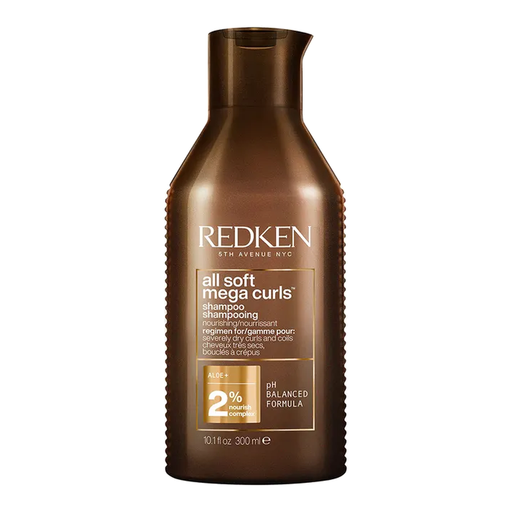
Why this suits this profile: an option designed for naturally dry hair, from curly to coily, when softness and suppleness are the priority.
The presentation clearly targets curly to coily hair and specifies it's a sulphate-free shampoo, rather than presenting it as a one-size-fits-all solution.
300 ml format, glycerin, aloe vera and intended for use with a conditioner from the same range.
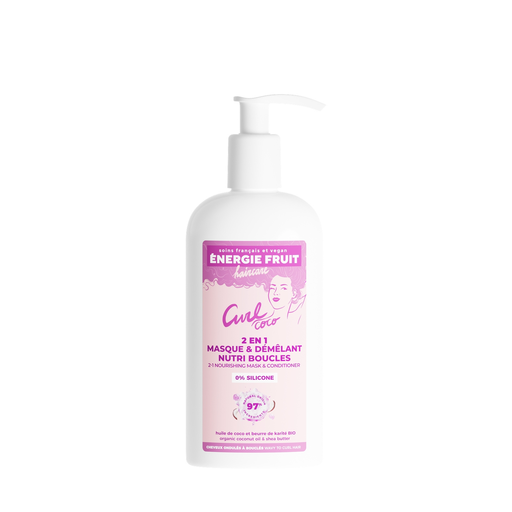
Why this suits this profile: a weekly treatment suited to dry or porous lengths, as well as hair weakened by colouring and frequent washing.
The recommended frequency of use, once or twice a week, prevents you from systematically replacing your conditioner with a very rich treatment.
300 ml, formula said to be silicone-free, organic coconut oil and shea butter.
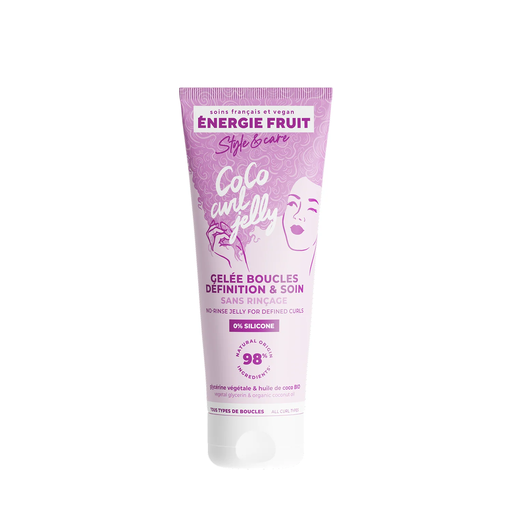
Why this suits this profile: a leave-in formula to structure curls after washing or give them a boost between routines.
The formula is said to be alcohol-free, non-sticky and with no white residue. Still, start with a small amount to gradually adjust the level of hold.
200 ml gel, organic coconut oil and application on damp or wet hair.
We've put together a comprehensive, real-time updated list of products that meet these demanding selection criteria and European safety standards.
Start simply with a shampoo, a conditioner and one styling product. If the lengths still feel dry, add a curly hair mask once a week. This gradual approach lets you see what really works for your hair, without creating confusion by using too many products at once.
It all depends on your preferences and how your hair reacts. Sulphate-free products can suit those looking for a gentler cleanse, while silicone-free formulas fit better into a minimalist routine. In any case, compare the INCI list of the product in question.
Check the open-jar symbol and the information on the packaging. Store bottles away from heat and light, close them after each use and avoid getting water into the pots. If the smell, texture or colour changes, it's best to stop using it.