
Livraison le jour même ou le lendemain

Qualité garantie

Débloquez vos offres de bienvenue: Livraison GRATUITE | Jusqu'à -80 % | 30 jours d'essai gratuits à JoyPlus
Téléchargez l'application
Curly hair care products should not be chosen solely based on promises such as “anti-frizz” or “long-lasting definition”. Porosity, thickness, level of dryness and scalp sensitivity often have a much greater impact on the results. A routine suited to fine, wavy hair can weigh down curly or coily hair, while an overly harsh shampoo may make frizz worse.
Before filling your basket, here are the main pitfalls to avoid and the criteria to consider.
A formula rich in oils and butters can nourish dry hair, but it does not necessarily replace a hydrating treatment. Hair that lacks moisture can still feel rough, even after applying a nourishing cream or mask.
For a balanced routine, combine a product containing humectants such as glycerine with emollient ingredients such as shea butter or coconut oil. How often you use it matters too: a curly hair mask once or twice a week may be enough, depending on the hair texture and condition.
A sulphate-free shampoo can be a good option for dry hair or for people who want to limit the most aggressive foaming surfactants. However, this claim alone does not guarantee that the formula will suit your hair. You should also check for conditioning agents, oils, fragrances and allergens.
Garnier Ultra Doux Nutrition Intense, for example, contains sodium laureth sulphate. It may therefore suit those looking for a rich lather and traditional cleansing, but not someone who absolutely wants a sulphate-free shampoo. By contrast, Energie Fruit Nutri Curls shampoo is presented as sulphate-free and silicone-free.
Layering a curly hair leave-in, cream, oil and defining gel can leave residue, especially if you use too much of each product. The result can be flat curls, less volume and sometimes a sticky feeling.
Start with a small pea-sized amount on damp hair. Then add gel if you feel the definition or hold is not sufficient. You will also find it easier to see which product is genuinely adding value to your routine.
For fine, wavy or curly hair, choose a lightweight texture and avoid applying very rich formulas too close to the roots. Curly and coily hair, which is often drier through the lengths, will generally benefit from gentle cleansing at longer intervals.
Sulphate-free shampoo is not a universal requirement. It is more an option to consider if your lengths dry out quickly, you regularly use styling products or you want to follow a sulphate-free routine. In all cases, massage the shampoo into your scalp and rinse thoroughly.
A curly hair conditioner is primarily designed to make detangling easier and soften the lengths. A mask generally provides more intensive care and should be reserved for times when your hair needs it.
The “silicone-free” claim may reflect a personal preference or a particular hair-care method. On its own, it is not proof of better performance. The same applies to “natural”, “vegan” or “cruelty-free” claims: check the information provided and any certifications displayed on the product.
A curl cream generally provides softness and comfort, while a gel focuses more on definition and hold. To avoid a crunchy finish, use a small amount and scrunch the lengths between your hands. Air-drying or diffusing at a moderate temperature can also help preserve the shape of your curls.
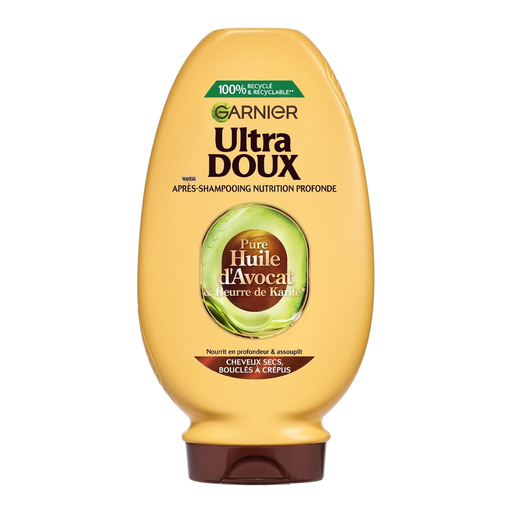
Why this choice suits this profile: An easy-to-use conditioner for curly hair to apply after washing, with avocado oil and shea butter listed in the formula.
It allows you to start with just one conditioning step after shampooing, without layering styling products.
A 250 ml format to apply to the lengths, then rinse after a few minutes.
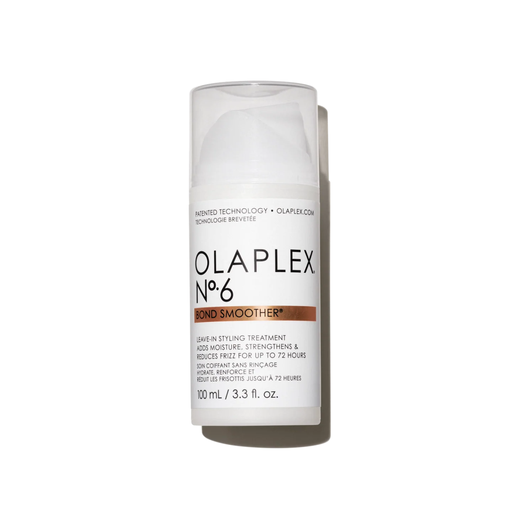
Why this choice suits this profile: A leave-in cream for those seeking a smoothing finish and advertised heat protection of up to 232 °C.
The product information recommends using a small amount, which helps prevent fine hair from being weighed down.
A leave-in texture to apply to towel-dried hair, with dimethicone in the INCI list.
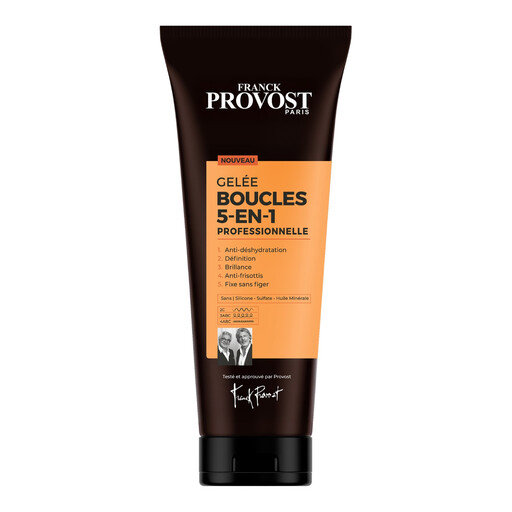
Why this choice suits this profile: A leave-in defining gel presented as suitable for type 2C to 4C curly hair.
Its advertised silicone-free, sulphate-free and mineral-oil-free formula may suit people who want to limit these types of ingredients.
Apply to damp or wet hair without rinsing, with glycerine and sorbitol in the formula.
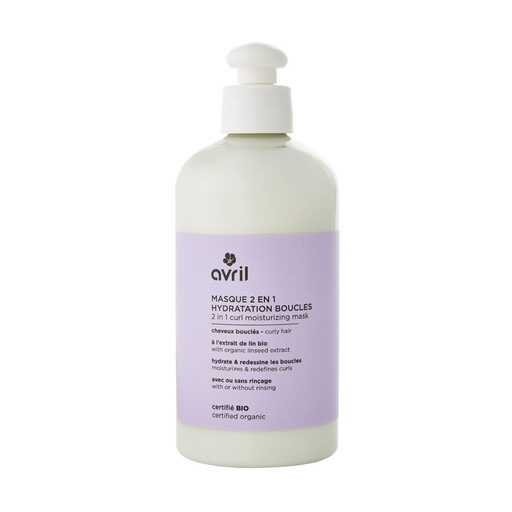
Why this choice suits this profile: A versatile mask for curly hair, to use with rinsing or as a leave-in treatment on wavy to curly hair.
Its flexible use lets you adjust the amount and processing time to the level of dryness, instead of applying a rich treatment every time you wash your hair.
A formula described as Cosmos Organic certified, vegan and silicone-free, with organic shea butter and linseed oil.
Always read the ingredients list on the packaging before use, particularly if you are sensitive to fragrances. If irritation occurs, stop applying the product immediately and rinse.
We have brought together a complete selection, updated in real time, of products that meet these strict selection criteria and European safety regulations.
Not necessarily. To reshape your curls, lightly dampen the lengths, then apply a small amount of leave-in conditioner or cream. Washing too frequently can make some people's hair drier, but the right frequency depends above all on your scalp and lifestyle.
Conditioner is generally used every time you wash your hair to make detangling easier. A mask is often richer, is left on for longer and is used occasionally. Fine hair may sometimes need only a very small amount, while curly and coily hair can benefit from a more nourishing treatment.
Apply your products to thoroughly damp hair, distribute them in sections and start with a small amount. Avoid touching your hair while it dries. If your curls need more hold, gradually add a defining gel rather than layering on another coat of cream.