
Livraison le jour même ou le lendemain

Qualité garantie

Débloquez vos offres de bienvenue: Livraison GRATUITE | Jusqu'à -80 % | 30 jours d'essai gratuits à JoyPlus
Téléchargez l'application
Curly and frizzy hair care often has to tackle several challenges at once: cleansing without drying, detangling without weakening the hair fibre, retaining moisture and maintaining good definition. With the sheer number of products available in shops and online, it’s easy to feel overwhelmed.
A label promising ‘perfect’ curls doesn’t guarantee a product will suit your hair. Porosity, thickness, how often you wash and whether you use heat styling tools are far more important than any marketing claims.
A nourishing mask for dry hair rich in oils or butters can restore softness to the lengths, but it won’t make up for a lack of water deep inside the fibre. Conversely, a highly hydrating formula may not be enough for thick, coily or particularly parched hair.
Take a look at the texture and the ingredients highlighted: glycerin, aloe vera and hyaluronic acid are generally associated with hydration. Shea butter, coconut oil and avocado oil are more commonly used to nourish and soften the hair.
A shampoo for curly hair might work perfectly for fine, wavy hair, but could be too stripping for coily or kinky hair. It’s worth checking the label for strong cleansing agents, fragrance or allergens, especially if you have a sensitive scalp.
Claims like ‘sulphate-free’ or ‘silicone-free’ don’t automatically make a product suitable for everyone. You need to weigh them up against your hair type, how dry it is and your styling habits.
Layering a curl-defining cream, a gel, an oil and a serum can weigh down fine hair or leave behind residue. A shorter routine is usually easier to tweak: shampoo, a detangling conditioner or rinse-out conditioner, then just one leave-in or styling product.
Wash your scalp according to how quickly it gets greasy and your activity levels, rather than sticking to a set schedule. If your hair is very dry, use a gentle shampoo when needed and focus the massage on the roots.
Also, compare bottle sizes. A 400 or 450 ml format can bring down the cost per use, but only if the formula genuinely meets your needs.
A conditioner for frizzy hair should let your fingers or a wide-tooth comb glide easily through the lengths. Apply it mainly from mid-lengths to the ends, then rinse according to the manufacturer’s instructions.
The Franck Provost Expert Nutrition Soin Démêlant, available in a 450 ml format, is presented as a silicone-free treatment for dry, thick hair. Its formula includes shea butter, coconut oil and glycerin. The product page recommends leaving it on for one to two minutes after washing. It also mentions the presence of fragrance and limonene: if you’re sensitive to these ingredients, check the label carefully.
A curl-defining cream generally offers more flexibility than a gel. A gel usually provides stronger hold, but it’s best to use it gradually to avoid a stiff, crunchy effect or residue. Apply the product to damp hair, scrunch the lengths working upwards towards the roots, then let it air-dry or use a diffuser on a moderate heat setting.
If you regularly use a hairdryer, straighteners or other styling tools, look for a heat protectant for hair that’s clearly stated. The Olaplex N°6 product page, for example, mentions heat protection up to 232 °C. This figure is based on information provided by the brand: it doesn’t mean you shouldn’t limit the temperature and exposure time.
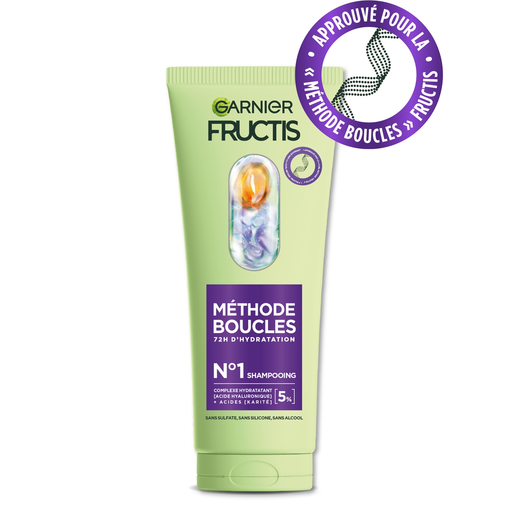
Why this choice suits this profile: This shampoo lets you start a curl-specific routine with a 200 ml bottle and simple application on wet hair.
You can check the ingredients and instructions before buying, so you’re not relying solely on a promise of definition.
A formula featuring hyaluronic acid and fatty acids from shea butter, a rich lather and straightforward rinsing.
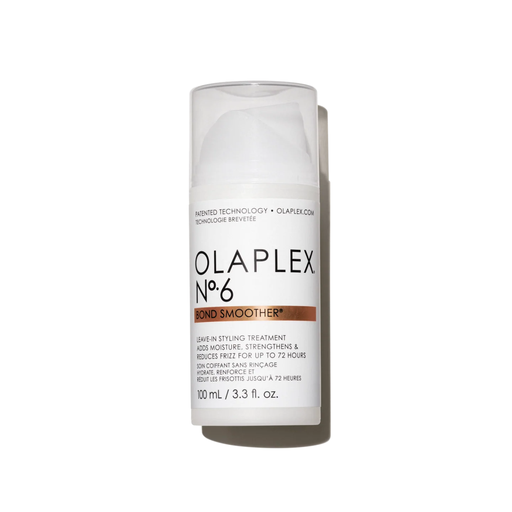
Why this choice suits this profile: Its leave-in texture is ideal for those who want to combine care, control and styling in a single step.
The recommended amount is just a small quantity, which reduces the risk of weighing down fine hair.
A leave-in treatment with conditioning agents and heat protection claimed up to 232 °C by the brand.
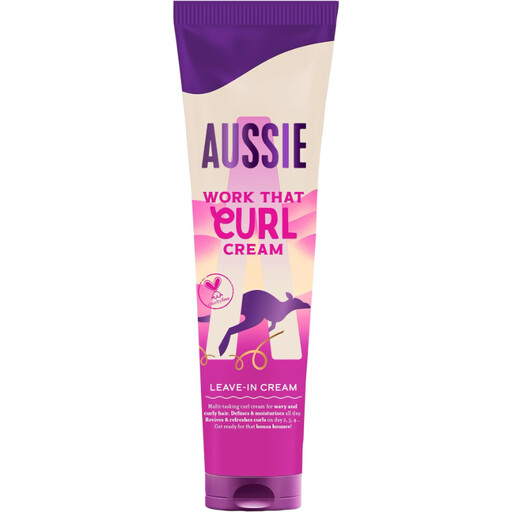
Why this choice suits this profile: This cream can be used after washing or on dry hair to refresh your style between shampoos.
Its versatility means you don’t need to buy multiple products to define and reactivate your curls.
A leave-in formula with coconut oil and a 160 ml bottle suited to regular use.
We’ve put together a comprehensive, real-time list of products that meet these strict selection criteria as well as European safety regulations.
For damaged, dehydrated hair, consistency matters more than piling on products. Check the ingredient list before every purchase, as formulas can change. If irritation occurs, stop using the product and seek advice from a healthcare professional.
Go for a formula that suits your scalp’s sensitivity and how often you wash. A hydrating shampoo can work for dry lengths, while a scalp that gets greasy quickly will need more frequent cleansing. Read the ingredients and don’t rely solely on the marketing promise.
Not necessarily. A cream generally provides softness and nourishment, while a gel gives stronger hold. Start with just one product, then add the second if your hair can handle it without feeling heavy or leaving residue.
Check the date or the period-after-opening symbol on the packaging. Store products tightly closed, away from heat and sunlight. A change in smell, colour or texture may mean it’s best to stop using the product.