
Livraison le jour même ou le lendemain

Qualité garantie

Débloquez vos offres de bienvenue: Livraison GRATUITE | Jusqu'à -80 % | 30 jours d'essai gratuits à JoyPlus
Téléchargez l'application
Curly hair products are becoming increasingly common both in shops and online, but they do not all meet the same needs. Wavy hair does not necessarily need a rich formula designed for curly or coily hair. Conversely, dry curls may not feel comfortable with a treatment that is too lightweight.
Two mistakes are particularly common. The first is choosing a product because its packaging promises “long-lasting definition” or an anti-frizz effect, without considering its texture or how it should be used. The second is piling on styling products: cream, gel, mousse and oil can quickly weigh hair down when layered without a plan. You should also check the INCI list, especially if you are sensitive to fragrances, silicones or certain cleansing agents.
Fine, wavy to curly hair generally responds better to lightweight textures, such as a mousse or a small amount of leave-in treatment. Thick curly, coily or afro-textured hair may need more nourishment. A curly hair mask containing oils, plant butters or conditioning agents can provide greater comfort.
The presence of coconut oil, shea butter, aloe vera or glycerine does not by itself guarantee a particular result. It does, however, provide an initial indication of the formula’s overall profile. A rich treatment can improve the comfort of dry lengths, but it can also flatten the hair and reduce volume if too much is applied.
A curly hair shampoo is primarily used to cleanse the scalp and lengths. It does not replace either conditioner or a mask. To make detangling easier, it is best to choose a curly hair conditioner containing conditioning agents.
A mask is used less frequently, generally once or twice a week depending on your hair’s needs and the manufacturer’s recommendations. Curl cream or a curly hair leave-in treatment provides a flexible base and makes styling easier. Curl-defining gel then helps maintain the shape, while curly hair mousse often provides greater lightness and volume.
A claim such as “silicone-free”, “sulphate-free” or “98% natural origin” should always be considered in the context of the complete formula. Remember to check the labelling on the product you receive too, as formulations may change.
Styling aerosols require a few specific precautions. They are flammable and must be kept away from sources of heat. Fragranced products may contain declarable allergens, such as linalool, limonene or coumarin. If irritation occurs, stop using the product immediately and rinse the affected area.
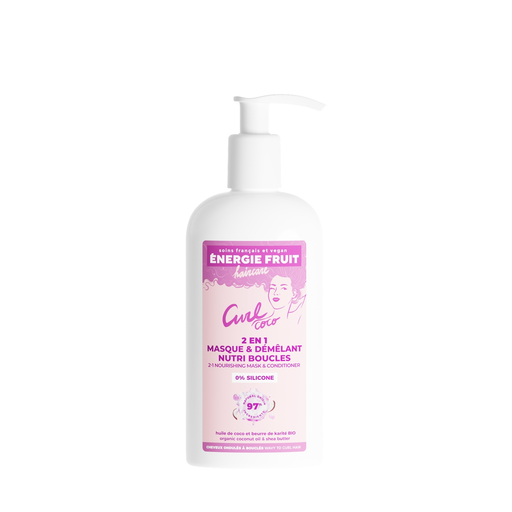
Why this choice suits this profile : This mask fits easily into a short routine, used once or twice a week after shampooing. Its 300 ml size is suitable for regular use on the lengths.
The product details state that it is a silicone-free formula made with 97% ingredients of natural origin. As it is rinsed out, the treatment helps limit the build-up associated with a rich formula.
Organic coconut oil and shea butter in the formula, made in France according to the product details, and a 300 ml size.
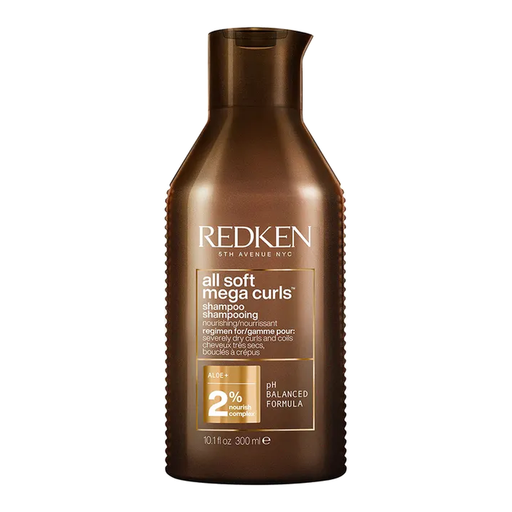
Why this choice suits this profile : This shampoo is aimed at anyone wanting to create a dedicated routine for naturally curly to coily hair, with a focus on gentle cleansing.
The product details state that it is a sulphate-free formula and recommend following cleansing with conditioner and a leave-in treatment from the same range.
300 ml size, glycerine and aloe vera juice powder listed in the formula.
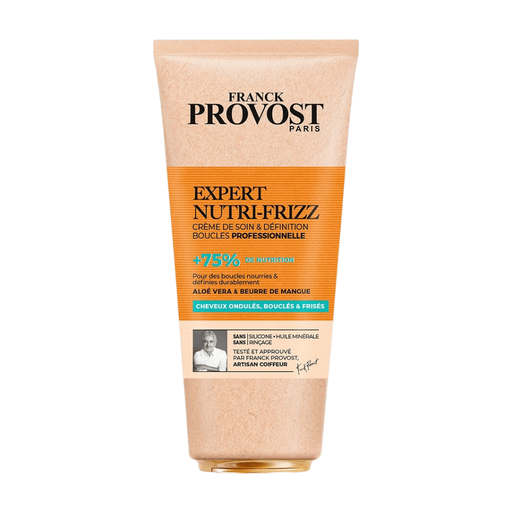
Why this choice suits this profile : This leave-in cream targets very dry, curly or frizz-prone hair. It may suit anyone wanting to refresh their style in a single step after washing.
The recommended amount should be concentrated on the lengths and ends. This approach reduces the risk of greasy roots or weighed-down curls.
Coconut oil, aloe vera and mango butter listed in the formula, a 200 ml size and no-rinse application.
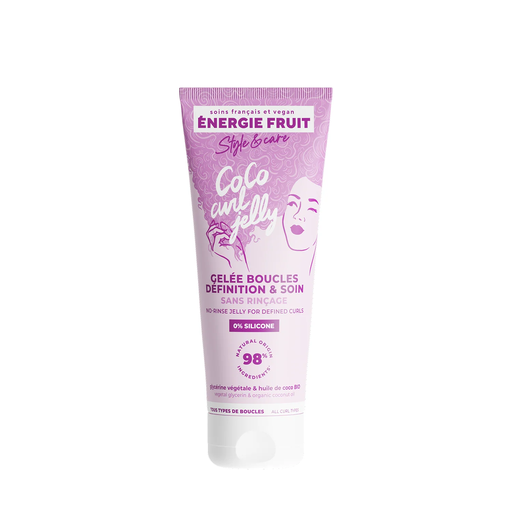
Why this choice suits this profile : Its gel texture is applied to damp hair and worked through by scrunching the lengths towards the roots. It suits a simple styling routine, whether you air-dry or use a diffuser.
The advertised alcohol-free formula and small-amount application allow you to build up hold gradually, without layering multiple products.
The product details state that it contains 98% ingredients of natural origin, organic coconut oil and comes in a 200 ml size.
Start with three steps. Only add a new product if a specific need remains:
For curly and coily hair, divide your hair into several sections to distribute the treatment evenly. For wavy hair, start with a small amount to preserve its natural movement. A soft towel or non-abrasive fabric can also help reduce friction while your hair dries.
We have put together a complete, real-time updated list of products that meet these strict selection criteria and European safety requirements.
The most common order is as follows: shampoo, conditioner or mask, leave-in treatment, then a styling product. If your hair is fine, limit the number of layers. If the lengths are dry, use a regular mask and a lightweight cream before applying gel or mousse.
Check the open-jar symbol and the information printed on the packaging. The shelf life depends on the formula, storage conditions and, where provided, the expiry date. Close bottles carefully and keep them away from heat and direct sunlight.
Mousse generally feels lightweight and can help preserve volume. Gel creates a more pronounced layer of hold around the curl. The right choice depends on the finish you want, your hair’s thickness and the level of hold you are looking for.