
Livraison le jour même ou le lendemain

Qualité garantie

Débloquez vos offres de bienvenue: Livraison GRATUITE | Jusqu'à -80 % | 30 jours d'essai gratuits à JoyPlus
Téléchargez l'application
A cup might seem simple to choose. Yet between the coffee cup that’s too small, the mug that goes cold in minutes and the travel cup that leaks in your bag, there are plenty of disappointments. To make the right choice, it’s better to focus on the drink you’re preparing, the capacity, the material and how often you’ll use it – rather than on appearance or marketing promises.
This guide helps you compare different sizes and spot the features that really matter, whether you’re looking for a coffee cup, a ceramic mug, a tea cup, coffee glasses, a travel cup or a measuring cup.
A 120 ml container works well for an espresso or a small portion, but it will be too small for filter coffee or a long tea. On the other hand, a 1.2 litre mug may take up a lot of space on your desk and be more awkward to clean.
Before ordering, match the capacity to your daily use:
Ceramic feels nice in the hand, but it can break if dropped. Glass lets you see the drink, while stainless steel is better suited to travel and insulation. As for plastic, it must be clearly labelled and intended for food contact.
Also check compatibility with the dishwasher and microwave, resistance to thermal shock, and the lid’s features. A claim like “insulated” doesn’t necessarily guarantee the product is leak-proof or suitable for fizzy drinks.
For an insulated mug or a travel cup, the closure system matters just as much as the material. Look for precise information about the seal, the locking mechanism and any precautions to take during transport. Even when a lid is described as leak-resistant, it’s best to keep the container upright and check the seal regularly.
The capacity should match your machine and your recipes. An espresso cup of 120 ml gives enough room for the coffee and a fine crema. A cappuccino cup or a coffee glass of 270 ml will be more suitable for a generously milk-based drink.
For a family, a set of several pieces makes serving easier. For one person or at the office, a single mug helps keep clutter to a minimum. Also think about the external dimensions: check that the container fits in your cup holder, your cupboard and your dishwasher.
Ceramic and porcelain are suitable for hot drinks, provided you follow the manufacturer’s recommendations. Avoid sudden temperature changes, especially when a product comes out of the fridge or when a hot container is placed on a cold surface.
Double-walled borosilicate glass reduces the heat felt on the outside and limits condensation. However, it must be handled with care: never use coffee glasses that are cracked or damaged.
Double-walled vacuum stainless steel is particularly practical for journeys. It generally shouldn’t go in the microwave. For a child, choose a model that’s easy to hold, with a spout suited to the recommended age and a closure system that’s properly maintained.
Always wash the cup or mug before first use. Where the design allows, take apart the lids, straws and seals to prevent residue build-up. Do not use any item that is cracked, chipped or warped.
For a measuring cup, readability of the markings and stability of the container come first. In baking, a set of several capacities makes it easier to measure liquids and small quantities.
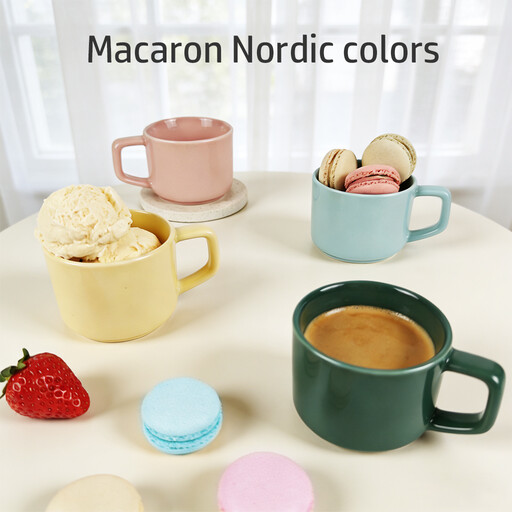
Why this choice suits this profile: This set is ideal for a first purchase, espressos, individual desserts and small drinks to serve with the family.
The 120 ml capacity is clearly stated, and the set of four saves you from buying several pieces separately to make up a small service.
Ceramic designed for food contact, four soft colours and a compact size that stores away easily.
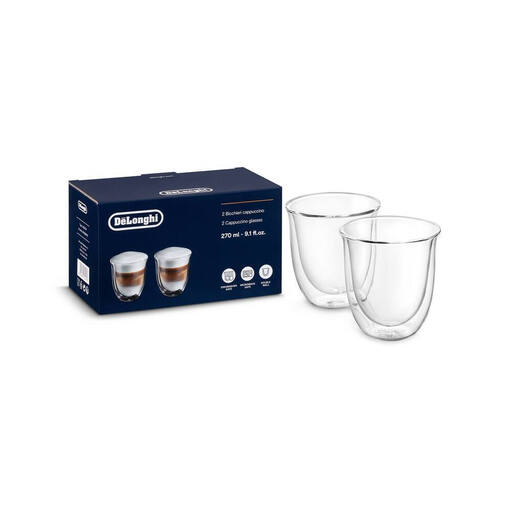
Why this choice suits this profile: These glasses are aimed at lovers of milky drinks who want to enjoy the presentation and a size suited to cappuccino.
The product page specifies the 270 ml capacity, the double wall and the precautions to take to avoid thermal shock.
Blown borosilicate glass, an insulating double wall and dishwasher-safe care according to the manufacturer’s instructions.
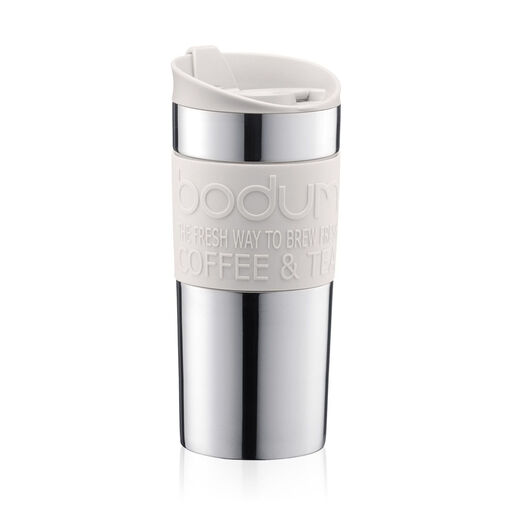
Why this choice suits this profile: Its size suits commuters, drivers and anyone who regularly takes a hot or cold drink with them.
The product page distinguishes the double-walled vacuum body from the flip lid and reminds you to check the closure before setting off.
Double-walled stainless steel, a 350 ml capacity and a shape that fits standard cup holders.
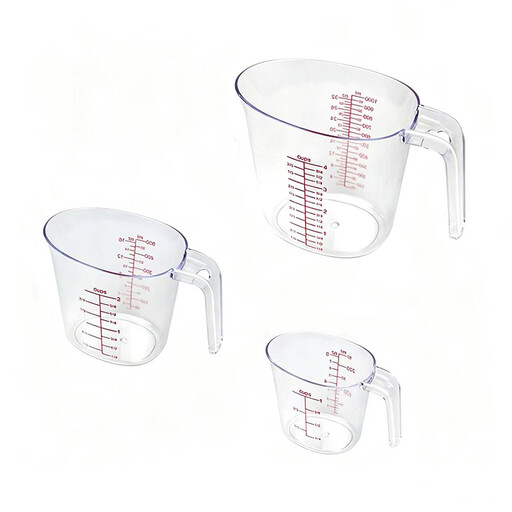
Why this choice suits this profile: The three capacities – 250 ml, 500 ml and 1,000 ml – make it easy to prepare baking recipes, cooked dishes and drinks.
The capacities are spread across three containers, so you don’t have to rely on a single set of markings, which can be awkward for both small and large quantities.
Three transparent sizes, practical for measuring liquids and regularly preparing all kinds of recipes.
We’ve selected a full range, updated in real time, of products that meet these demanding criteria and European safety standards.
For an espresso, a cup of 60 to 120 ml is usually enough. For a cappuccino or a latte, allow 200 to 300 ml instead. Bear in mind that the stated capacity is the maximum volume: leave a little room to avoid spills.
It depends on the model. The steel body and the lid may have different care instructions. Check the product page, take apart the seals where intended and dry each part thoroughly before reassembling. If the mug isn’t dishwasher-safe, wash it by hand to preserve its components.
Avoid knocks, sudden temperature changes and utensils that could scratch the surfaces. Never put a metal container in the microwave. Regularly inspect the cups, lids and seals, and stop using any item that is cracked, chipped or warped.