Anyone who wants a hot bowl without cooking
If you're looking for a winter starter or dinner with minimal preparation, check whether the soup is ready to heat or needs reconstituting, then see how many portions it makes.


For soup with minimal preparation, choose a ready-to-heat option. Dehydrated sachets are a good choice if you prefer individual portions and have water to prepare them; tinned vegetables let you put a soup together, but take more preparation. In each case, choose a format that suits the number of bowls you want to serve, and check the label and storage instructions.
If you're looking for a winter starter or dinner with minimal preparation, check whether the soup is ready to heat or needs reconstituting, then see how many portions it makes.
You may want to keep a few different ways to make soup in the cupboard: ready-to-heat options, sachets, and tins of vegetables or pulses to combine. The size of the containers and storage instructions after opening matter just as much as the space you have available.
You might compare ingredients, salt, fat or allergens across different recipes. Manger Bouger recommends comparing nutritional information on the same basis, per 100 g or 100 ml; the DGCCRF reminds shoppers that allergens must be highlighted in the ingredients list.
Choose this if: you want to serve soup without measuring out water or reconstituting a sachet.
Bear in mind: once opened, the container must be stored according to the instructions on the packaging. Choose a size that suits the number of portions you plan to serve.
Choose this if: you're looking for compact sachets or individual portions to prepare at mealtimes.
Bear in mind: this isn't a tin of ready-to-heat soup. Follow the preparation instructions and make sure you have enough water.
Choose this if: you prefer to decide which vegetables to use, as well as the texture and seasoning.
Bear in mind: these ingredients aren't a ready-to-serve soup on their own. You'll need to add a liquid base and prepare them.
| Criteria | What to check | Who it's for |
|---|---|---|
| Meal preparation | Tell ready-to-heat products apart from those that need reconstituting; check the preparation steps and number of portions. | When I get home in the evening, I want to serve a hot bowl without cooking a whole soup from scratch. Around 36% of consumers put ease of preparation first. |
| Stocking up and portions | Compare the container size with the number of bowls you plan to serve. Check the best-before date, the condition of the tin and the storage instructions after opening. | For my winter meals, I want to keep portions my household can actually use, without leaving a large opened container. Having a suitable stock in the cupboard comes before other criteria for around 29% of consumers. |
| Ingredients | Read the ingredients and allergens for the specific recipe; compare nutritional information per 100 g or 100 ml, particularly the salt content. | If I have to choose between different recipes, I want to be able to check their ingredients and allergens before buying. This is the top priority for around 21% of consumers. |
| In-store choice | Check which recipes, formats and portion sizes are actually available at the shop where you do your food shopping. | I want to choose from a range of recipes and container sizes, rather than plan a meal around one specific product. For around 14% of consumers, the choice available in store is the top criterion. |
Dehydrated soup must be prepared according to the instructions. For example, the Royco instant pumpkin soup sold by Auchan requires 200 ml of boiling water per sachet.
Before buying, check the product description and how much soup it makes once prepared.
A claim such as “no preservatives” tells you nothing about the soup's full list of ingredients or its nutritional information. Ingredients can vary from one recipe to another.
Compare nutritional information on the same basis, then check the ingredients list and allergens for the product you plan to buy.
The DGCCRF says that bulging, rust or dents can be signs that a product has deteriorated.
Check the tin when you buy it and before you open it. If anything about its condition gives you cause for concern, don't eat what's inside.
The best-before date and storage instructions after opening apply to different situations. The French Ministry of the Economy reminds shoppers to follow the manufacturer's recommendations on the packaging.
After opening, follow the storage temperature and time limit given for that soup, even if its best-before date hasn't passed.
These examples show a range of formats. Check the recipe and the range at your chosen shop before comparing them.
Auchan sells, among other options, individual sachets of instant pumpkin soup with croutons.
Its range of prepared tinned vegetables includes dishes such as ratatouille, mixed vegetables and jardinière.
Its online range lists family-sized dehydrated soups separately from individual instant options.
ALDI France has a soups, potages and broths section with a range of formats.
These products are soups that need to be prepared, or, in the case of the last one, a dish that combines soup and rice. If you're looking for soup that's ready to heat, don't mistake these formats for a tin of soup.
 Image unavailable
A cupboard soup with noodles and mushrooms for a hot meal that needs preparing, rather than a ready-to-heat option.
The product name states 0,70 L; check the preparation instructions and allergens on the packaging.
 Image unavailable
The three sachets are a good choice if you want to prepare separate portions for different meals.
The soup needs reconstituting. Follow the measurements on the packaging and check the allergens for this recipe.
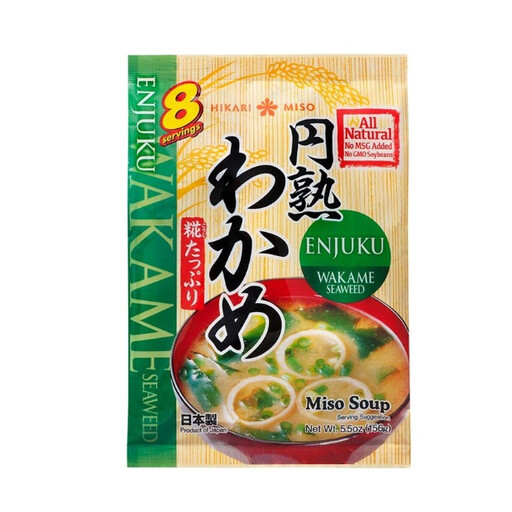 Image unavailable
This instant soup format is a good choice if you want to keep several portions in your cupboard.
You'll need to add hot water. Check the instructions and allergens on the packaging.
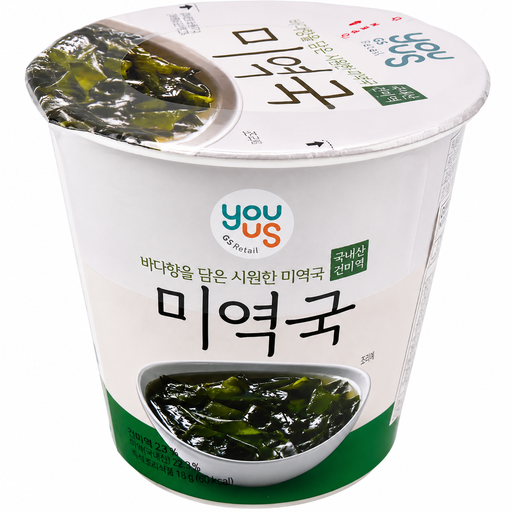 Image unavailable
This cup soup is a single portion to prepare with boiling water, not a ready-to-heat soup.
Check the packaging for how much water to add, nutritional information and allergens.
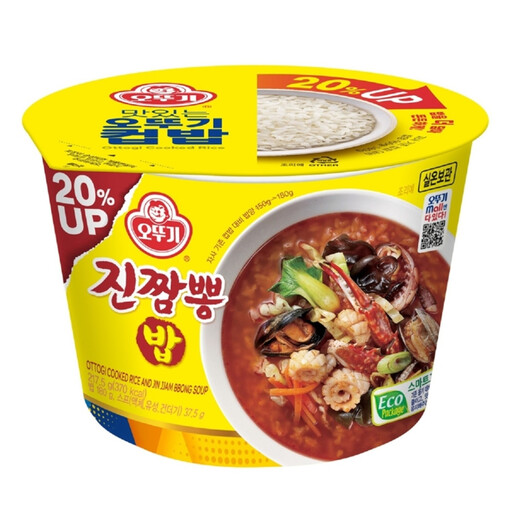 Image unavailable
This product combines soup and rice, so it's different from a simple bowl of soup to drink.
You'll need to add water to prepare it. Check the exact steps and allergens on the packaging.
No. A best-before date doesn't mean the same thing as a use-by date. For a product with a best-before date, also check how it has been stored and whether the packaging is intact. Don't use a tin showing signs of damage or deterioration.
Don't eat what's inside if the condition of the tin gives you cause for concern. The DGCCRF says bulging, rust and dents can be signs that the product has deteriorated.
Compare their nutritional information on the same basis, per 100 ml or 100 g, as well as their ingredients and allergens. You can treat the Nutri-Score on one of the soups as additional information, but it doesn't replace checking the labels.
Follow the storage temperature and time limit after opening shown on the packaging. The date given for the unopened product is no longer enough. If refrigeration is required, Anses recommends keeping the coldest part of the fridge at 4 °C.
No. This claim alone doesn't tell you about the salt, fat or allergens in the recipe. Read the ingredients list and nutritional information for the specific soup you're thinking of buying.