Students with access to a way to heat food
A small carton of ready-to-heat soup gives you a handy portion for your break. Carrefour and Auchan, for example, offer multipacks of two 30 cl cartons; check how to heat your chosen soup.


For lunch at uni, start by choosing a soup you can prepare with the facilities available: a small carton of ready-to-heat soup if you have a suitable way to warm it up, or a dried soup sachet if you have access to hot water. A 1 L carton is better suited to several planned meals or sharing, provided you can store any leftovers according to the instructions after opening. Then check the ingredients and allergens for your chosen recipe.
A small carton of ready-to-heat soup gives you a handy portion for your break. Carrefour and Auchan, for example, offer multipacks of two 30 cl cartons; check how to heat your chosen soup.
A dried soup sachet takes up very little room in your bag or locker. The Royco noodle soup listed on Joybuy is made by adding hot water, so it won’t suit you if you can’t get hot water during your break.
A 1 L carton could work if you’re sharing it or can store the remainder after opening in line with the label instructions. If you’re eating alone and can’t store the leftovers, a smaller carton is easier to manage.
First, check what facilities you can use during your break. Then choose an amount you can finish without needing to store leftovers.
| What to consider | What to check | Who it matters to |
|---|---|---|
| Portion size and leftovers | Check the volume of each container and how many cartons are in the multipack. If you open a carton, follow the storage instructions for after opening. | If I’m eating alone and can’t store an opened carton, I’d rather choose an amount that suits my break. Around 31% of consumers prioritise portion sizes and managing leftovers. |
| Preparation on campus | Check whether the recipe requires hot water, cooking or reheating, and read the packaging instructions. | If I only have access to hot water, I want to know whether I can prepare my soup during my break. Around 25% of consumers put having a practical way to prepare their food first. |
| Shopping and storage | Compare the formats available when you shop, then check the best-before date and storage instructions for unopened products. | When I shop for several lunches, I look for a format I can store and use as intended. Around 25% of consumers prioritise organising their shopping and supplies. |
| Ingredients | Read the ingredients, allergens and nutritional information, particularly the salt content. If a Nutri-Score is shown, compare products in the same category. | If certain ingredients matter to me, I need to check each recipe rather than rely on its name or format. Ingredients are the top priority for around 19% of consumers. |
A sachet that needs reconstituting won’t sort out lunch if you can’t get hot water. With a carton of ready-to-heat soup, you’ll need to check the heating instructions.
Before you buy, make sure you can prepare the soup with the facilities actually available at uni.
The date on an unopened product doesn’t replace the temperature and time limits that apply after opening, as the DGCCRF points out.
If you’re eating alone and can’t store the leftovers according to the label, choose a suitable portion size or plan to share the carton.
If you can’t store an opened carton as instructed, you may end up wasting it.
Recipe listings at Carrefour show that vegetable soups can contain celery or milk. Ingredients vary from one product to another.
Read the ingredients and allergens for the exact variety, even if you already know the brand.
According to the DGCCRF, dents, rust or bulging may be signs that the product has deteriorated.
Discard any tin showing these signs. If in doubt, don’t eat what’s inside.
Carrefour offers several Royco dried soups in sachets, which are worth considering if you have access to hot water during your break.
Auchan offers a Liebig soup in two 30 cl cartons, while Carrefour lists recipes in 1 L cartons.
Carrefour offers, among other options, a SIMPL soup in a 1 L carton and a Carrefour Classic' soup in two 30 cl cartons.
E.Leclerc offers Marque Repère soups in cartons, including 1 L cartons and multipacks of two 30 cl cartons.
ALDI’s soup range includes, among other options, a blended seven-vegetable soup and a vegetable soup with red lentils.
These products include soups made with hot water, a ready-to-heat soup in small cartons, and a soup that requires cooking equipment to prepare. Choose according to what you’ll have access to during your break.
 Image unavailable
Worth considering if you have access to hot water during your break: this soup is made by adding hot water.
The multipack makes three 20 cl portions. This recipe contains gluten, celery, milk and chicken, among other ingredients. Also check the amount of water and preparation time stated on the packaging.
 Image unavailable
Worth considering for lunch if you can follow the product’s heating instructions on site.
The multipack contains two 30 cl cartons. Check how to heat the soup, the allergens in this recipe and the storage instructions if you open a carton without finishing it.
 Image unavailable
Worth considering if you have access to suitable cooking equipment, rather than just hot water.
The product title gives a weight of 69 g and a prepared volume of 0,70 L. Check the cooking instructions and recipe allergens before planning to make it at uni.
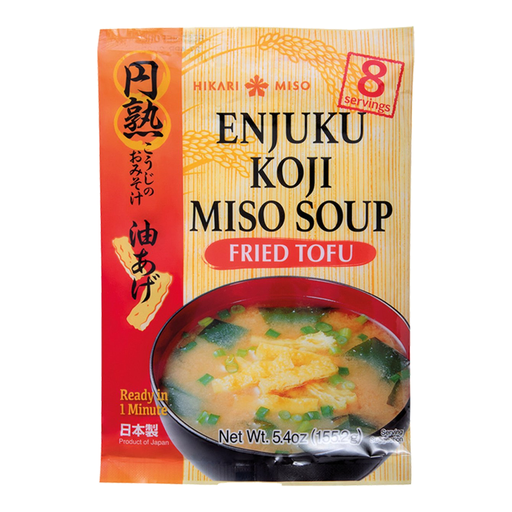 Image unavailable
Worth considering for a break when you have access to hot water. Check how much to prepare for your lunch.
The pack is listed as 155,2 g. Check the number of servings, ingredients for this variety and preparation instructions on the packaging.
Yes, if you plan what to do with the leftovers and can follow the storage instructions after opening. The DGCCRF reminds consumers that the manufacturer’s temperature and storage-time instructions apply once a product has been opened; the date on the unopened carton doesn’t replace them.
No. Preparation instructions depend on the recipe. The Royco noodle soup listed on Joybuy is made by adding hot water, while a recipe that needs cooking requires suitable equipment. Read the sachet instructions before taking it with you.
No. Manger Bouger presents it as a guide for comparing products in the same category, when displayed. Also check the nutritional information, ingredients and allergens for each recipe.
It’s best to discard it. According to the DGCCRF, dents, rust or bulging may indicate that the product has deteriorated. If in doubt, don’t eat what’s inside.