Students stocking up for the first time
You want to plan for several meals without building up a collection of containers you’ll only partly use. The volume of each individual pack matters just as much as the size of the multipack.


If you’re stocking up on soup when moving into student accommodation, start by thinking about how much you can use once a container is open. A large format works if you’re planning several portions, while smaller packs mean you won’t have to open a litre for a single meal. Instant soups are another option, provided you have access to hot water. Whatever you choose, check the ingredients, salt content, allergens and storage instructions for the product.
You want to plan for several meals without building up a collection of containers you’ll only partly use. The volume of each individual pack matters just as much as the size of the multipack.
You’d rather open a portion that’s right for one meal than start a large container you’ll need to finish or store once opened.
Depending on what’s available in your accommodation, you can choose between liquid soup to heat up and a soup mix that needs hot water.
When stocking up for student life, first compare how many portions you expect to use, then consider the preparation required and check the label. The ranges shown by Auchan and E.Leclerc include 1 L liquid soups and smaller 2 × 30 cl cartons. Royco also offers instant soups, which aren’t tinned soups ready to eat.
Choose this: if you’re planning several portions and know what you’ll do with the rest once it’s opened.
Bear in mind: follow the product’s storage instructions once the container is open.
Choose this: if you eat alone and want to open one pack for a single meal.
Bear in mind: several packs take up space, so check the volume of each one rather than just the total volume of the multipack.
Choose this: if you’d rather store portions that you can prepare individually.
Bear in mind: you’ll need hot water to prepare it, and instructions vary by recipe.
| Consideration | What to check | Who is this for? |
|---|---|---|
| Amount you’ll use | Volume of each pack and the number of portions stated. | I want to stock my cupboard for several meals without opening more soup than I’ll use; around 31% of consumers would prioritise the amount they’ll actually consume. |
| Leftovers after opening | Portion size and storage instructions once opened. | As I eat alone, I’d rather not have a large container left open that I need to finish; avoiding leftovers would be the priority for around 25% of consumers. |
| Preparation | Instructions and equipment needed, particularly for heating water or soup. | If my kitchen is still short on equipment, I’m looking for something I can prepare with what I have; around 19% of consumers would prioritise this. |
| Ingredients | Ingredients, allergens and the ‘salt’ line in the nutrition information. | Before buying several portions of the same recipe, I want to check it’s suitable for my dietary requirements or preferences; this would be the main consideration for around 25% of consumers. |
A 1 L carton and a small portion leave you with different amounts to store if you’re eating alone.
Before buying several large containers, count the portions you’ll use and read the instructions for storage after opening.
Any portion you open and then don’t eat also goes to waste.
If the ingredients or allergens in a recipe aren’t suitable for you, you may not be able to use any of the multipack. The DGCCRF states that allergens must be clearly highlighted on the labels of prepacked foods.
Check the ingredients list and allergens before buying. If you’re comparing similar recipes, also look at the ‘salt’ line in the nutrition information.
Recycling guidance for metal packaging applies to empty packaging.
If you use a metal tin, empty it before putting it in the packaging recycling. ADEME says it doesn’t need to be washed and should be put in loose, rather than nested inside another piece of packaging.
These brands offer examples of different cupboard soup formats. Their inclusion here doesn’t mean their soups are prepared or stored in the same way.
Royco offers several ranges of instant soup to prepare with hot water.
The range shown by E.Leclerc includes liquid soups, including 1 L cartons and smaller 2 × 30 cl packs.
The liquid soup range shown by Auchan includes 1 L and 2 × 30 cl formats.
ALDI offers ready-to-eat Les Printanières soups in 1 L formats, as well as some 500 ml formats.
The products below are instant portions designed for cupboard storage. They’re prepared with water and aren’t a like-for-like replacement for ready-to-eat liquid soup in a carton or tin. Choose according to the recipe you want, the pack size and the equipment you have available.
 Image unavailable
Worth considering if you want to prepare one small portion at a time and have access to hot water.
The pack is listed as three 20 cl portions. This is dehydrated soup, not liquid soup in a tin.
Check the allergens on the packaging before planning to have several portions of this recipe.
 Image unavailable
This format is a good fit if you want to prepare portions individually with hot water.
The pack contains 8 pieces. This is instant miso soup, not a tin of liquid soup.
If salt or allergens are important to your choice, check the label and the information for the prepared portion.
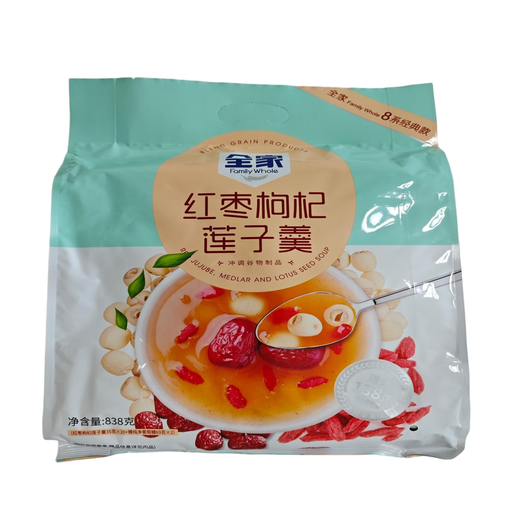 Image unavailable
Worth considering if you’re looking for portions to prepare rather than a large container of liquid soup to open.
The pack is listed as weighing 838 g and contains glucose, which you should bear in mind when checking the ingredients.
The preparation instructions call for warm water followed by boiling water, so make sure you can follow these steps.
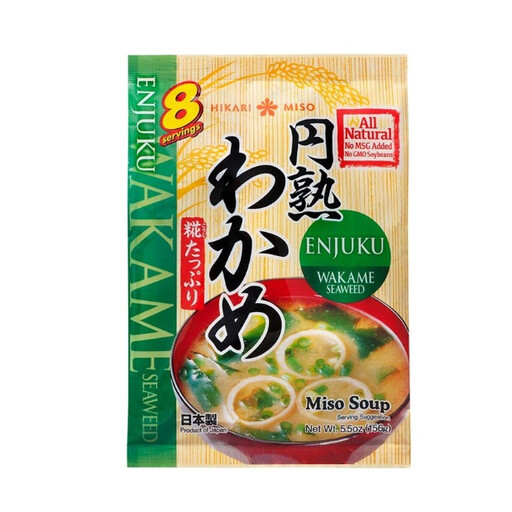 Image unavailable
Worth considering for an individual portion when you have access to hot water.
The 156 g pack is listed as containing 8 portions. This is instant miso soup, not liquid soup in a tin.
Check the allergens and the salt content for the portion you’ll prepare.
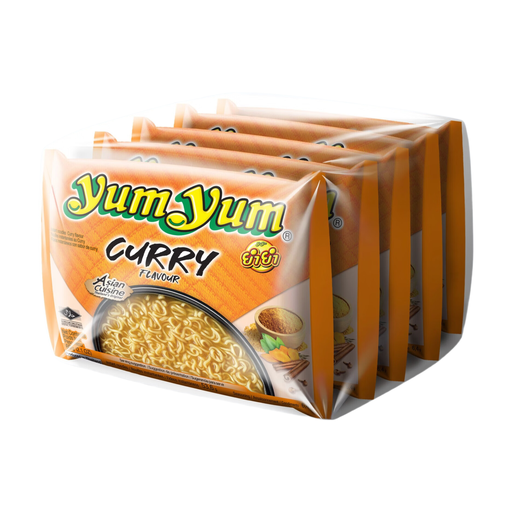 Image unavailable
This multipack is a good option if you want to spread individual portions across several meals and can heat water.
It contains 5 × 60 g sachets of curry noodle soup; this isn’t liquid soup in a tin.
Read the preparation instructions and check the allergens listed on the packaging before choosing this multipack.
Individual portions are easier to open one at a time if you’re only planning one meal. A large carton can work too if you’ll use the remaining portions and can follow its storage instructions once opened.
Follow the storage time stated for the specific soup and its packaging; there isn’t one timeframe that applies to every recipe. Check the temperature and time instructions on the packaging. The DGCCRF advises following the manufacturer’s storage recommendations.
Start with the recipe’s ingredients and allergens, then check the nutrition information, particularly the ‘salt’ line if that matters to you. The DGCCRF states that allergens must be clearly highlighted on prepacked foods. When comparing products, make sure you’re comparing equivalent portions and units of measurement.
Put the empty tin in the packaging recycling. According to ADEME, metal packaging must be empty but doesn’t need to be washed. Put it in loose, rather than nesting it inside another piece of packaging.