For a single mug, choose a sachet with preparation instructions and a finished volume that suit your morning. If you’re serving several people, consider cartons, tins or jars instead. Before stocking up, compare portions, ingredients, allergens and salt, then check the storage instructions for each product.
Which format suits you?
For a quick, hot mug
A single-serve sachet lets you make one portion without opening a large container. For the sachets concerned, Royco recommends adding 200 ml of boiling water and leaving the soup to stand for two minutes. Check the instructions for the recipe you choose.
For a savoury breakfast with others
A 1 L liquid soup, such as those listed by ALDI France, could be an option for serving several bowls. A tin or jar may work too, as long as you check how many portions it makes once prepared and how to store any leftovers.
For a closer look at ingredients
If salt or particular allergens influence your choice, don’t focus on the format alone. Read the ingredients list, highlighted allergens and nutritional information, comparing products on the same basis: per 100 g or per 100 ml.
What should you check before buying?
First, decide whether you’re making one mug or several bowls. The format determines how much you need to prepare and how to handle any leftovers.
Single-serve sachet
Choose this if: you want to make one mug without opening a larger container.
Bear in mind: the amount of water and preparation method vary by recipe; not all sachets simply need steeping.
Liquid soup in a carton
Choose this if: you’re planning to heat and serve several bowls.
Bear in mind: if you don’t finish the carton, follow the storage instructions for after opening.
Tin or jar
Choose this if: you’re looking for soup in a tin or jar to keep in your cupboard.
Bear in mind: some recipes need diluting; check the instructions and make sure the container is in good condition.
| What to consider |
What to check |
Who is it for? |
| Portion and preparation |
Number of portions, finished volume and preparation instructions. |
I want a hot mug without opening a large container before moving on to something else. Around 27% of consumers would make this quick portion their priority. |
| Salt, ingredients and allergens |
Ingredients list, highlighted allergens and salt per 100 g or per 100 ml, using the same basis for comparison. |
When choosing between two recipes, I mainly need to know what they contain. Ingredients would be the first thing around 33% of consumers look at. |
| Format for sharing |
Type of soup, net volume and whether it needs diluting before you work out how many bowls it will serve. |
There’ll be several of us at the table, and I want to prepare the right amount rather than make multiple individual mugs. Around 20% of consumers would put serving a group first. |
| Storing your supplies |
Date on the label, storage conditions, instructions for after opening and, for tins, the condition of the outside. |
I keep soup in the cupboard for future weekends and want to know how to handle opened products. Around 20% of consumers would prioritise storage considerations. |
Mistakes to avoid
-
Calling every format ‘tinned soup’
A dehydrated sachet, liquid carton and concentrated tin won’t necessarily make the same amount of ready-to-serve soup. For example, Carrefour says to add water to its tinned fish soup.
Check the product description, finished volume and dilution or heating instructions before working out how many bowls it will serve.
-
Relying only on the words ‘no preservatives’
This claim tells you nothing about the amount of salt or the allergens in the recipe. The Royco pumpkin soup listed by Auchan, for example, contains wheat, milk and celery.
Check the ingredients list and nutritional information, then compare salt per 100 g or per 100 ml on the same basis.
-
Applying the date for an unopened product to leftovers
The date printed on the packaging doesn’t replace the instructions for after opening. The French Ministry of the Economy reminds shoppers to follow the manufacturer’s storage recommendations.
Look for the recommended temperature and storage time after opening, then follow the instructions for the soup you’ve bought.
-
Keeping a damaged tin
Dents, signs of rust or a bulging tin are signs of damage highlighted by the DGCCRF.
Discard any tin showing these signs, and don’t eat its contents if you’re unsure.
Brands to know
Royco
Royco offers a French range of instant soups in single-serve sachets.
- For the recipes concerned, the brand recommends adding 200 ml of boiling water and leaving the soup to stand for two minutes.
- Ingredients vary by recipe: the pumpkin soup with croutons listed by Auchan contains wheat, milk and celery, among other ingredients.
Régal Soupe (Marque Repère / E.Leclerc)
E.Leclerc offers dehydrated Régal Soupe options, including a minestrone recipe.
- The sachets make it easy to compare different cupboard soup recipes within the range.
- Check the portions, ingredients and preparation instructions for the product you choose.
Les Printanières (ALDI)
ALDI France offers liquid Les Printanières soups, including 1 L formats.
- This volume could work well for serving several bowls.
- Check the recipe, storage instructions for after opening and the range available at your local store.
Simplement Bon & Bio (ALDI)
ALDI France offers a blended vegetable soup and a velvety vegetable and red lentil soup in this range, both in 1 L formats.
- The recipes listed give you two different liquid soups to consider for sharing.
- An organic label doesn’t replace checking the ingredients, nutritional information and storage instructions.
Soups to prepare available on Joybuy
These products include soups to prepare in a mug or bowl, as well as formats that may serve several portions. For your weekend breakfast, choose according to the recipe, stated quantity and instructions on the packaging.
 Image unavailable
Royco, dehydrated noodle soup with carrot and mushrooms, 3 × 20 cl
The pack’s three stated portions could be handy if everyone is making their own mug.
Check the packaging for the amount of water and preparation time for this recipe.
View on Joybuy
 Image unavailable
Knorr, Thai noodle and mushroom soup, 69 g, 0,70 L
The stated 0,70 L volume could be worth considering if you’re making more than one bowl.
Check the preparation steps and portions on the packaging before adding it to your breakfast menu.
View on Joybuy
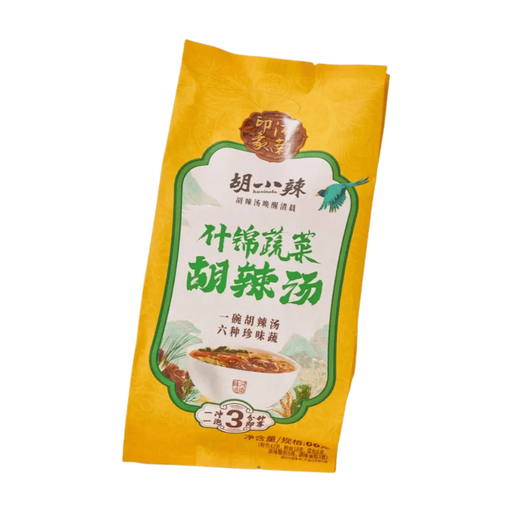 Image unavailable
Haoxiangni, spicy vegetable soup, 66 g
Consider this spicy recipe if you fancy this type of soup for breakfast.
Check the prepared volume, ingredients and allergens for this product before choosing.
View on Joybuy
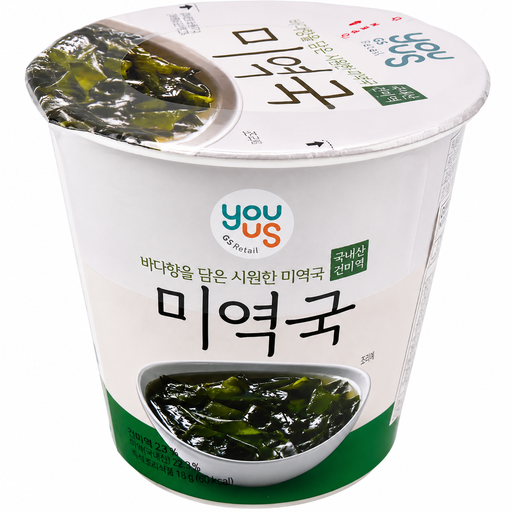 Image unavailable
GS Youus, seaweed soup cup, 11 g
The cup is a convenient option if you want to prepare soup in an individual container.
Check the packaging for the amount of water to add and the ingredients in the recipe.
View on Joybuy
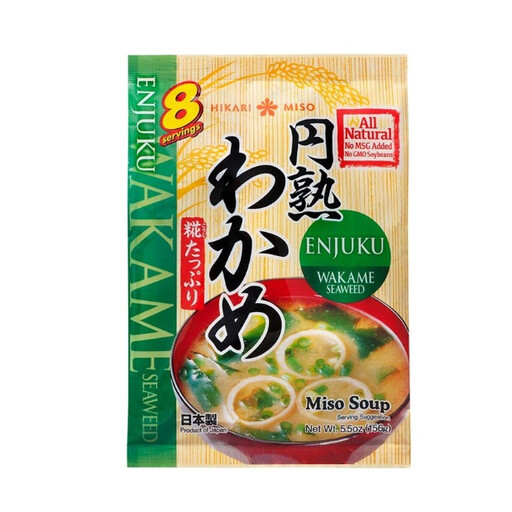 Image unavailable
Hikari Enjuku, wakame miso soup, 156 g, 8 portions
The pack’s stated eight portions could be handy if you want to make several bowls at different times.
Check the preparation instructions, ingredients and nutritional information on the packaging for this variety.
View on Joybuy
Frequently asked questions
Is tinned soup always ready to heat as it is?
No. Some recipes need diluting. Carrefour, for example, says to add water to its tinned fish soup. Check the instructions and finished volume before working out the portions.
How can I compare a sachet soup with a liquid soup?
First compare the ingredients and nutritional information on the same basis, per 100 g or per 100 ml. Then check the number of portions once the soup is prepared. If a particular allergen matters to you, check the ingredients list for each recipe.
Can I keep opened soup until the date printed on the packaging?
Not necessarily: that date doesn’t replace the instructions for after opening. Follow the manufacturer’s recommended temperature and storage time for the opened product, as the French Ministry of the Economy advises.
What does a best-before date mean on cupboard soup?
A best-before date is shown with the wording ‘best before’. It is different from a use-by date. According to the French Ministry of the Economy, you should still follow the storage instructions and check the condition of the packaging.
Does soup have to display the Nutri-Score?
No. The DGCCRF says that displaying it is voluntary. Whether it’s shown or not, you can check the ingredients and compare salt, sugars and fat per 100 g or per 100 ml.


