Who are these options for?

You want to measure the protein in your meal

You want to know what a soup or tin of pulses actually provides. Anses lists lentils, chickpeas and beans among plant-based sources of protein. When choosing a product, check the grams shown per 100 g or 100 ml, then work out how much you’ll get in your portion.

You’re making quick meals from your cupboard staples

You’re deciding between a soup to heat up and pulses to add to your meal. Preparation time, the number of portions and storage instructions after opening matter just as much as the format before opening.

You check the salt, ingredients or allergens

You need to read the label on the product you’re buying rather than rely on its name. Anses lists soups and broths among the foods that contribute to salt intake. The ingredients list and allergen information also help you check the exact recipe.

What should you check before buying?

Start by checking how much protein you’ll get in the portion you plan to eat. Then choose a format to suit the time you have and how much you’ll be able to use after opening.

Criteria What to check Who is this for?
Protein in your meal Compare the protein per 100 g or 100 ml of the product as sold, then check the amount in your planned portion. For tinned products, distinguish between the net weight and drained weight. If I’m relying on this product for protein in my meal, I want to know how much I’ll actually eat. Around 33% of consumers prioritise this measurable contribution.
Preparation and cupboard storage Check how to prepare it, the number of portions and storage instructions before and after opening. When I need to make a meal quickly, I look for something I can serve with minimal effort. Around 25% of consumers put speed ahead of other criteria.
Salt and ingredients Check the salt per portion, the ingredients list, allergens and any ‘may contain’ warnings for the product you’re considering. If there are ingredients I can’t have, I need to be able to check the exact recipe before choosing. Around 25% of consumers prioritise checking salt and ingredients.
Pack size and leftovers Check how much you can use and the storage instructions after opening, so you can choose a size that suits the portions you have planned. If I open a large pack for just one meal, I need to plan what I’ll do with the rest. Around 17% of consumers put managing portions first.

Mistakes to avoid

  • Assuming ‘lentil’ means high in protein

    A recipe can contain lentils without providing the amount of protein you expect from your meal. Auchan’s product page for Liebig red lentil soup lists 4 g of protein per 250 ml; its product page for Auchan lentils lists 6.3 g per 100 g, based on a different portion size.

    Compare the figures on the same basis, then calculate them for the amount you’ll serve. If you add pulses to your soup, take their portion into account too.

  • Assuming vegetable soup is low in salt

    A recipe’s name doesn’t tell you how much salt it contains. Auchan’s product page for Liebig red lentil soup lists 1.6 g of salt per 250 ml portion.

    Check the amount per portion before adding seasoning, and compare the products you’re considering.

  • Treating an opened product as a cupboard staple

    Storage instructions change after opening. Auchan says to keep its 530 g tin of lentils in an airtight container in the fridge for two days; the Liebig soup product page says 48 hours.

    Choose a pack size that lets you use the leftovers, and follow the instructions on the packaging you buy.

  • Relying on the name or picture to check allergens

    Auchan’s product page for Liebig red lentil soup mentions possible traces of milk, celery, wheat containing gluten and egg. A recipe with the same name may need to be checked again when you buy it another time.

    If you have an allergy or avoid certain foods, check the ingredients list and allergen information on the packaging of the product you buy.

Brands and retailers to consider

Auchan

A tin of plain lentils gives you an ingredient to add to a meal, which you can compare with a ready-to-serve soup.

  • Auchan’s product page for its 530 g lentils lists 6.3 g of protein and 0.58 g of salt per 100 g, as well as a drained net weight of 0.53 kg.
  • Auchan says the ingredients may vary depending on the delivery service and purchase date, so check the product page and packaging of the tin you choose.

Liebig

The organic red lentil soup with coconut milk and a hint of curry comes in a 1 L carton and needs heating.

  • According to Auchan’s product page for this recipe, a 250 ml portion provides 4 g of protein.
  • The same product page lists 1.6 g of salt per portion and possible traces of milk, celery, wheat containing gluten and egg. Check whether this suits your meal.

Knorr

The 75 cl red lentil and vegetable soup is a cupboard-friendly option to heat up.

  • Auchan’s product page for this recipe lists 11% cooked red lentils and storage between 2 °C and 25 °C before opening.
  • The product page mentions possible traces of gluten. The proportion of lentils doesn’t replace checking the nutritional information on the product you buy.

Carrefour

The tinned pulses aisle is a place to look for lentils, chickpeas or beans to serve with soup.

  • Carrefour offers several types of pulses and different pack sizes in this aisle.
  • Compare the ingredients, nutritional information and usable quantity for each product: the range doesn’t have one set of ingredients in common.

Royco

The brand offers ranges of dried soups, including Classique, Crémeux and Vermicelles.

  • The choice of recipes and formats may suit you if you’re looking for a quick soup to prepare.
  • To find out what a recipe adds to your meal, check the protein and salt in the specific product, taking its preparation and serving size into account.

Pulses to add to your soup

These tins of lentils and chickpeas are ingredients or accompaniments for a meal made from cupboard staples, not soups. Choose a pack size to suit the portions you have planned, and check the nutritional information for the product you buy.
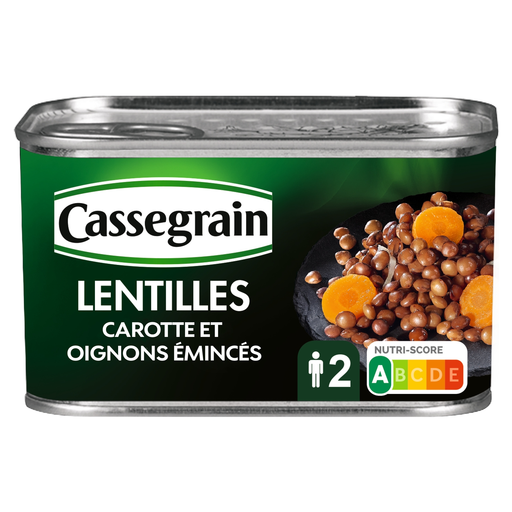
Cassegrain tin of prepared lentils with carrots and onions, 265 g

Cassegrain Prepared Lentils with Carrots and Onions, 265 g

Consider it as a side or an ingredient to add to soup; this product isn’t a soup. The stated pack size is 265 g. Check the allergens and storage instructions after opening on the tin you buy.

View on Joybuy
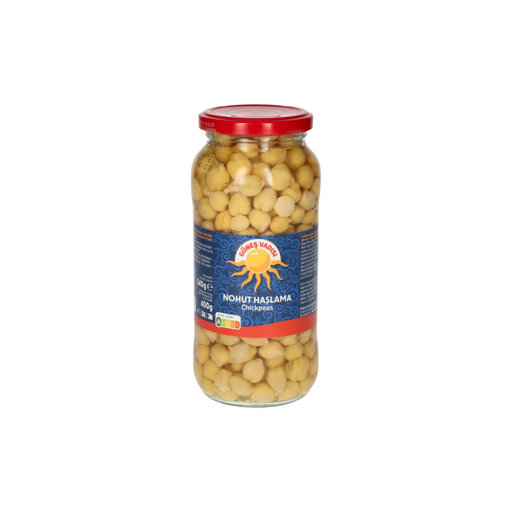
GÜNES VADIS chickpeas, 540 g jar

GÜNES VADIS Chickpeas, 540 g

Use these pulses to add to a soup-based meal; they aren’t a ready-to-serve soup. The jar states 540 g. Check the drained weight, nutritional information and instructions after opening on the product you buy.

View on Joybuy
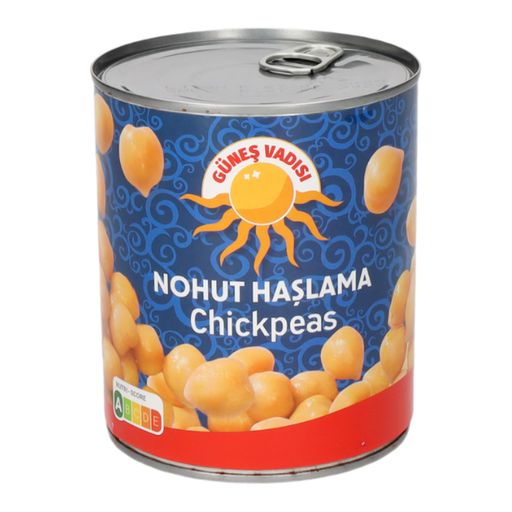
GÜNES VADIS chickpeas, 820 g tin

GÜNES VADIS Chickpeas, 820 g

This 820 g pack could provide several portions to serve with soup; it contains chickpeas, not soup. Plan how you’ll use the leftovers, and check the allergens and storage life after opening on the tin.

View on Joybuy

Frequently asked questions

Is lentil soup always high in protein?

No. The presence of lentils alone doesn’t tell you how much protein the soup contains. Check the grams per 100 g or 100 ml and per serving; Auchan’s product page for Liebig red lentil soup lists 4 g per 250 ml.

What should you look for on the label of a soup or tin?

For this choice, focus on protein, salt, ingredients, allergens, net quantity and, where applicable, drained net weight. The DGCCRF notes that prepacked food labels include, among other things, an ingredients list and a nutrition declaration. Also check the storage instructions for the product you buy.

How long can you keep soup or lentils after opening?

Follow the storage time and conditions shown on the packaging for the product in question. As two separate examples, Auchan says to keep its 530 g lentils in an airtight container in the fridge for two days, while the Liebig red lentil soup product page says 48 hours.

Should you add salt to cupboard soup before serving?

First check how much salt it contains and taste it before adding any more. Anses lists soups and broths among the foods that contribute to salt intake, so it’s worth checking even for a vegetable recipe.