Picnickers without access to hot water
If you can’t prepare the soup on site, look for ready-to-serve or liquid formats. Check how the soup you choose should be served and how to store any leftovers once opened.


For a picnic without hot water, choose a ready-to-serve soup in a format suited to your group rather than a sachet that needs rehydrating. A sachet is an option if you can genuinely prepare the soup on site. A larger carton works well for sharing, provided you have a plan for any leftovers. In every case, check the packaging is intact, read the ingredients and follow the storage instructions after opening.
If you can’t prepare the soup on site, look for ready-to-serve or liquid formats. Check how the soup you choose should be served and how to store any leftovers once opened.
Dehydrated sachets make it easy to pack separate portions, but you’ll need hot water and the right equipment to prepare them. Ingredients and allergens vary by recipe.
A one-litre carton can be shared, while several smaller cartons let you open only the portions you need. The number of people and how you’ll store any leftovers will help you choose between these formats.
Choose this: if ready-to-serve portions suit the number of people in your group and you don’t plan to rehydrate the soup.
Bear in mind: once opened, any carton must be consumed or stored according to its label.
Choose this: if you have access to hot water and the equipment required by the recipe.
Bear in mind: the sachet is easy to carry dry, but you’ll still need water and a container to prepare it.
Choose this: when serving several people, provided the volume is right for your meal.
Bear in mind: if there’s any soup left after opening, you’ll need to store it in line with the manufacturer’s instructions.
| Consideration | What to check | Who it matters to |
|---|---|---|
| Preparing it on site | Ready-to-serve or dehydrated soup; whether the recipe requires hot water, a container and any other preparation. | Without a way to heat water, I want to serve the soup without discovering at the picnic that it needs rehydrating. Around 33% of consumers would make this their top priority. |
| Portions and leftovers | Volume per container, number of people and instructions for storage after opening. | For a small group, I’d rather open only the amount we need than take home a large carton that’s already been opened. Portion management would be a priority for around 27% of consumers. |
| Packaging and storage | Condition of the container, the date shown and storage instructions before and after opening. | In summer, I want to carry packaging that’s intact and know what to do with the soup once it’s opened. Around 20% of consumers would put these precautions first. |
| Ingredients and allergens | Ingredients list, declared allergens and nutritional information for the exact recipe. | If I’m sharing the soup, I need to check what it contains for everyone who’ll be eating it. This would be the top priority for around 20% of consumers. |
The Royco noodle soup featured by Joybuy needs hot water, so you won’t be able to prepare it on site with just the sachet.
Before you set off, read the preparation instructions and make sure you can bring the water and container you’ll need.
Carrying water and preparation equipment takes up extra room in your bag.
A large container can leave you with leftovers to deal with, while some ready-to-serve soups come in separate 30 cl cartons.
Compare the volume with the number of people in your group. Choose individually packed portions if you won’t be able to store leftovers according to the label.
The DGCCRF warns that a tin that is bulging, rusty or misshapen may indicate that the product has deteriorated.
Discard any tin showing these signs, and don’t eat its contents if you’re in any doubt.
A vegetable soup can contain other ingredients. For example, the product information for Liebig’s Mouliné de 12 légumes lists celery and milk.
If you’re sharing a meal, check the ingredients and allergen information on the packaging of each soup you choose.
The brand offers dehydrated soups in sachets, among other products. Carrefour lists one option in three prepared 20 cl portions.
The brand offers ready-to-serve soups in cartons, including a 2 × 30 cl format.
The retailer lists ready-to-serve soups, including one-litre cartons, as well as Royco dehydrated sachets.
Its ready-to-serve soup range includes one-litre cartons and smaller formats.
The retailer lists soups in a range of formats, including one-litre veloutés and instant soups.
The retailer is a useful place to compare the formats and labels of the soups available locally.
These products show a few ways to take cupboard soup on a picnic: sachets to prepare, small cartons of ready-to-serve soup and individual portions. The preparation method and packaging matter more than the product name when you’re planning your picnic.
 Image unavailable
The three sachets are a good option if you can prepare the portions with hot water on site.
The declared recipe contains gluten, celery, milk and chicken, among other ingredients. Check the label before sharing it.
 Image unavailable
This dehydrated soup sachet is worth considering if you have the equipment needed to heat the water and cook the soup.
Before packing it, check the cooking instructions and allergen information on the packaging.
 Image unavailable
The two cartons of ready-to-serve soup let you open only the amount you need for a small group.
The product information for this recipe lists celery and milk. Check the packaging for serving instructions and guidance on storing an opened carton.
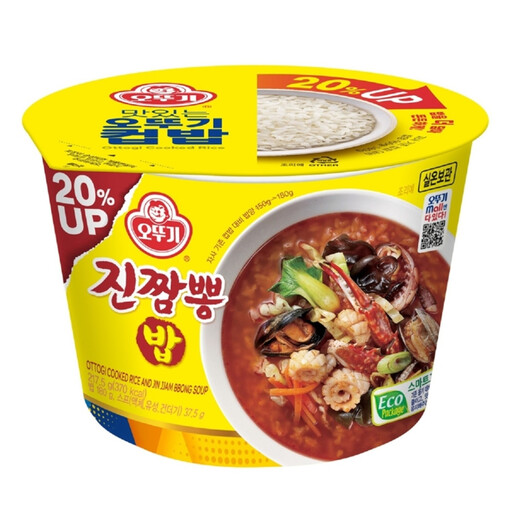 Image unavailable
Consider this individual soup and rice portion if you can follow the preparation instructions at your picnic spot.
Check how much water to add and read the allergen information before choosing it for a shared meal.
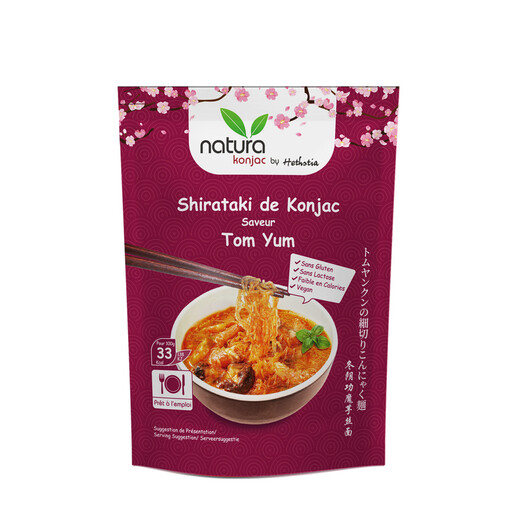 Image unavailable
Described as ready to eat, this soup could save you having to prepare anything on site. Check the packaging for the number of portions and storage instructions after opening.
The product description warns that konjac may present a choking hazard for children and people who have difficulty swallowing. Bear this warning in mind before choosing it for a group.
Yes, if the label says it can be stored at room temperature before opening and the packaging is intact. Once opened, follow the manufacturer’s instructions on temperature and storage time. Anses recommends limiting the time that foods which need to be kept chilled are left at room temperature.
Not if it needs rehydrating with hot water, like the Royco noodle soup featured by Joybuy. Check the instructions on your sachet and bring the right equipment, or choose a soup that’s suitable for the way you plan to serve it.
It depends on the instructions for the specific product. For example, Auchan’s product information for a Liebig velouté says to refrigerate it and consume it within 48 hours of opening. Don’t assume the same applies to other soups.
Passing a best-before date doesn’t automatically mean the product should be thrown away. The DGCCRF says it can still be eaten if the packaging is undamaged, although its quality may have changed. Don’t eat soup from a tin that is bulging, rusty or misshapen.
No. The Nutri-Score is a guide to nutritional quality and doesn’t replace the ingredients and allergen information. Read the label for the exact recipe, even if its name suggests it contains only vegetables.