Parents with a kettle
If you want to make one adult portion without opening a large carton, a sachet that you rehydrate could be a good fit. The Royco sachets listed by Joybuy need hot water.


For parents’ meals, choose individual sachets if you have access to hot water and want to prepare one portion at a time; opt for ready-to-serve cartons if you want to avoid rehydrating soup. Before stocking up, check whether the multipack actually contains metal cans, cartons or sachets, as well as the volume, ingredients and storage instructions after opening. Soup intended for adults is not a substitute for food suitable for infants.
If you want to make one adult portion without opening a large carton, a sachet that you rehydrate could be a good fit. The Royco sachets listed by Joybuy need hot water.
If you want to keep several soups for adults in the cupboard, compare the volume of 1 L cartons and smaller formats with how much you’ll use once they’re open.
Ingredients and allergens vary from one recipe to another. If you’re also thinking about your baby, keep soups bought for the parents separate from food suited to your baby’s age, as Anses advises.
First decide whether you want to rehydrate a portion or open ready-to-serve soup. If you’re buying a multipack, check what the packaging actually is and how much your household will use.
Choose these: to prepare an adult portion with hot water, without opening a large carton.
Bear in mind: you’ll still need to rehydrate the soup, and ingredients vary between recipes.
Choose these: if you’ll be serving several bowls at home from the same pack.
Bear in mind: any leftovers must be stored and used according to the instructions after opening.
Choose these: if you’d rather open a smaller amount of ready-to-serve soup.
Bear in mind: check the ingredients for each product and the storage instructions for an opened carton.
| Factor | What to check | Consumers concerned |
|---|---|---|
| Quick portion | Volume once prepared and whether hot water needs to be added. | When I only need one bowl with my meal, I’d rather not open a large pack: around 33% of consumers prioritise a quick adult portion. |
| Family stock-up | Net volume, number of cartons or sachets, and instructions for after opening. | When planning several meals at home, I want to stock up on an amount we can use without leaving an opened carton for too long; this comes first for around 27% of consumers. |
| Ingredients | Ingredients list, allergens and salt, compared on the same nutritional basis. | If some ingredients are a concern for my household, the soup’s name alone isn’t enough to help me choose; around 27% of consumers prioritise the recipe’s ingredients. |
| Who the product is for | The age group the product is intended for and the information on its label. | When I’m also looking for something to give my baby, I need to distinguish my meal from food suitable for an infant; for around 13% of consumers, this is the first question to address. |
The term can also refer to cupboard soup sold in a carton. Products listed by Carrefour, E.Leclerc and ALDI include cartons and sachets, for example: the category name doesn’t tell you what the packaging is.
If you’re looking for a multipack of metal cans, check the material, number of units and net volume for the exact product.
A 1 L carton and two 30 cl cartons won’t necessarily leave you with the same amount to store after a meal.
Estimate how many bowls you’ll serve, then read the instructions for each opened pack.
A vegetable recipe may contain other ingredients too. The Royco noodle, carrot and mushroom soup listed by Joybuy contains gluten, celery, milk and chicken, among other ingredients.
Check the ingredients list, allergens and nutritional information for the product you’re buying.
According to the French Ministry of the Economy, storage after opening depends on the manufacturer’s instructions, including the temperature and how long the product can be kept.
Make a note of when you open the soup and follow the pack’s instructions for any leftovers.
Dehydrated soups in sachets for making one adult portion with hot water.
The retailer lists a 1 L carton of vegetable soup, as well as a Carrefour Classic' product in two 30 cl cartons.
E.Leclerc’s range includes Regal Soupe in 1 L cartons and some smaller 2 × 30 cl formats.
ALDI lists Les Printanières soups in 1 L cartons, as well as Simplement Bon & Bio recipes.
The range of soups listed by the retailer can help you find different packaging options.
These products are for parents’ meals: soups to prepare as individual portions, dehydrated soup for two portions and small ready-to-serve cartons. Don’t mistake their packaging for a multipack of metal cans.
 Image unavailable
Three sachets to prepare with hot water if you want to serve one adult portion at a time.
Store in a dry place at room temperature, according to the Joybuy product details. The recipe contains gluten, celery, milk and chicken, among other ingredients; check the pack for allergens and salt content.
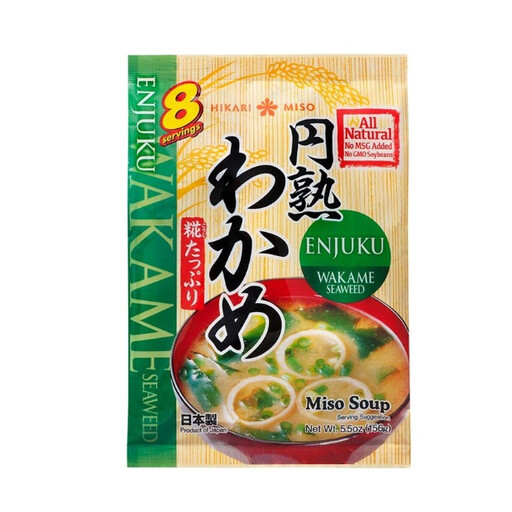 Image unavailable
A pack of portions to prepare with hot water for adults’ meals.
Store in a cool, dry place, according to the product information. The recipe contains soya, fish and wheat gluten; check the label to compare salt on a like-for-like basis for the prepared portion.
 Image unavailable
Two small ready-to-serve cartons if you’d rather open 30 cl than a larger pack.
The recipe contains celery and milk. If you open a carton, follow the storage instructions and use-by period shown on the packaging.
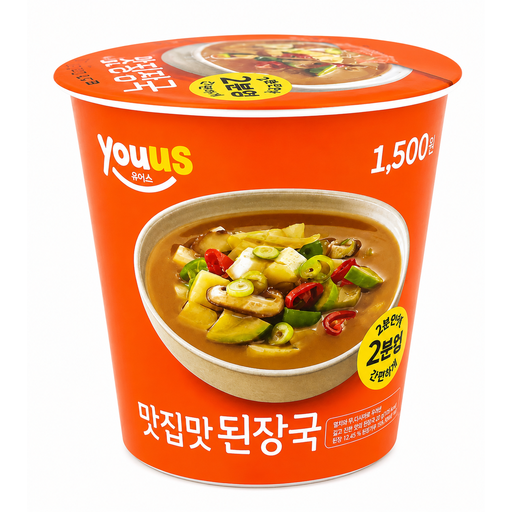 Image unavailable
An individual cup to prepare with boiling water, rather than a multipack of portions.
The description lists soya, wheat, milk and fish. Check the label for the exact product, especially if you’re comparing salt content.
 Image unavailable
A dehydrated soup for two portions if you’re able to cook it, rather than a ready-to-serve soup.
The preparation instructions call for five minutes of simmering. The recipe contains gluten, eggs, soya, mustard and milk, among other ingredients; the wording “2 Assorted” doesn’t by itself confirm that there are two sachets.
No. Soup intended for adults shouldn’t be chosen as a substitute for food suitable for infants. Anses reminds parents that infants have specific nutritional needs and require an appropriate diet; don’t assume a soup is suitable for your baby just because it’s liquid or contains vegetables.
Start by checking the product name, net quantity, ingredients, allergens, nutritional values and date. The French Directorate-General for Competition Policy, Consumer Affairs and Fraud Control explains that this information helps you identify and compare prepacked foods; also check whether the multipack contains cartons, sachets or cans.
Follow the manufacturer’s instructions for storage temperature and how long the product can be kept after opening, rather than relying only on the date printed on the unopened pack. This is the advice given by the French Ministry of the Economy for food products.
It depends on the type of date and the condition of the packaging: a use-by date is not the same as a best-before date. For an unopened product, read the exact wording; once opened, follow the manufacturer’s storage instructions, as the French Ministry of the Economy advises.
No. When shown on a product, the Nutri-Score can help you compare soups in the same category, but it doesn’t replace checking the portion, salt, ingredients and allergens. Manger Bouger explains that the score takes nutritional values and certain ingredients into account; it doesn’t tell you which packaging will suit your household.