What should you look for first?
Long-life ready-to-heat soup
Choose this if: you mainly want to open a container and heat up the amount you need.
Bear in mind: once opened, the container needs to be stored and used according to the instructions on the packaging.
Dried soup
Choose this if: you want to store sachets and are happy to make your soup with water.
Bear in mind: follow the recipe instructions; this isn’t a ready-to-serve soup.
When stocking your cupboard with soups for the first time, start with the type you’re most likely to use, then check the serving size, label and storage instructions for each product.
| What to consider |
What to check |
Who is this for? |
| Preparation |
Check whether the soup needs heating or reconstituting with water, then read the preparation instructions. |
When I’m short on time, I want to make soup without measuring out water; around 27% of consumers would put this convenience first. |
| Portions |
Compare the container size and stated number of portions with how much your household will use after opening. |
If I live alone, I prefer an amount I can finish while following the storage instructions; around 20% of consumers would make portion control a priority. |
| Ingredients |
Read the ingredients, allergens and nutritional information, paying particular attention to salt per 100 g or per 100 mL, as shown on the label. |
Before choosing a recipe, I want to know what’s in it and check for any allergens that affect me; around 33% of consumers would prioritise reading the label. |
| Storage |
Check the date, packaging condition and instructions for storing the product after opening. |
With limited space and a cupboard I’m gradually stocking up, I want to store and use my soups as instructed; around 20% of consumers would make this their main consideration. |
Brands and retailers to know
These brands and retailers are a good starting point when looking for soup or comparing formats. Check the recipe and range that interest you.
Royco
Royco offers several soup ranges, including Classique, Crémeux and Vermicelles. It’s worth considering if you’re looking for dried soups to stock in your cupboard.
- Royco’s ranges make it easy to look for different recipes and textures.
- A range name is no substitute for checking the ingredients, allergens and nutritional information for each soup.
Carrefour
Carrefour’s ready-to-heat soup range includes Carrefour and Carrefour Classic’ products, alongside other brands.
- Available sizes include 2 × 30 cL and 1 L formats, which can help you decide how many portions you need.
- Check the recipe details and the range available at the store you shop at.
Auchan
Auchan’s grocery and tinned food range includes soups, such as a 2 × 30 cL pack of organic Liebig soup.
- You can look for soups alongside other cupboard essentials.
- Check the exact product and the information on its packaging before comparing it with another recipe.
E.Leclerc
Depending on the store you select, E.Leclerc DRIVE offers different collection or delivery options to help you organise your first food shop.
- Choosing how to receive your shopping can help you plan your first cupboard stock-up.
- Check the catalogue for your chosen store to see which soups are available.
Lidl
Lidl presents its food range as an option for everyday shopping.
- You can check what your local store stocks when putting together your first cupboard essentials.
- Check in store which soups, formats and recipes are available before comparing them.
Aldi
Aldi lists groceries among its store categories, making it a retailer to consider for everyday essentials.
- You can add the grocery aisle to your first shopping trip.
- Check your local store’s range to see which soups and sizes are available.
Cupboard soups available on Joybuy
These products are mainly soups that you prepare with water, as well as one miso soup that you heat up. Choose according to the preparation steps that suit you, and check the instructions on each pack.
 Image unavailable
Royco Dried Noodle, Carrot and Mushroom Soup, 3 × 20 cL
A sachet option if you’re happy to make your soup with water. The product name indicates three 20 cL portions; check the preparation and storage instructions on the packaging.
View on Joybuy
 Image unavailable
Knorr Thai Noodle Soup with Mushrooms, 2 Assorted, 69 g, 0.70 L
Worth considering if you’re happy to add water and cook the soup before serving. The product information says to store it between 2 °C and 25 °C before opening; check that your storage space stays within this range.
View on Joybuy
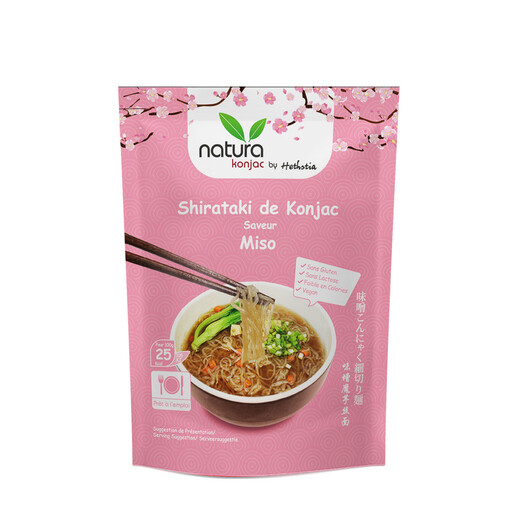 Image unavailable
Natura Konjac Soup Miso Flavor, 190 g
This format may suit you if you’d rather heat up a soup than make one with water. The product information lists soya; check the packaging for storage instructions after opening, too.
View on Joybuy
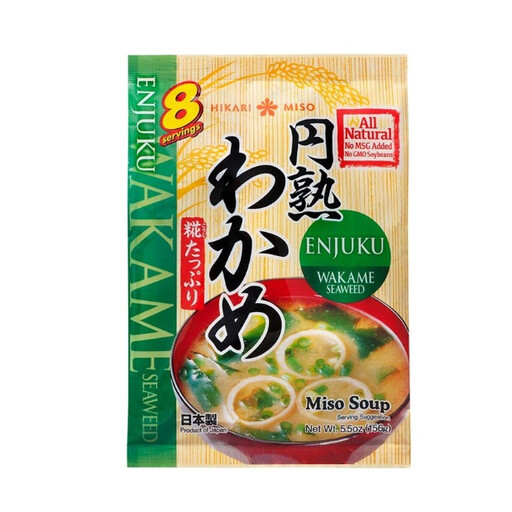 Image unavailable
Hikari Enjuku Miso Soup Wakame, 156 g, 8 portions
A soup to make with hot water when you want to use the portions stated on the product. The product information lists soya, fish and wheat gluten; check the packaging to see how much water to use for each portion.
View on Joybuy
 Image unavailable
Maggi Chorba Soep, 85 g
This sachet is for soup that needs to be reconstituted and cooked, rather than served straight away. The available information gives different amounts of water, so follow the instructions on the packaging. The product information lists gluten and celery, and says it may contain traces of egg, soya and milk.
View on Joybuy
Frequently asked questions
Can you eat soup after its best-before date?
Yes. According to the Directorate General for Competition Policy, Consumer Affairs and Fraud Control, soup with a best-before date may still be eaten after that date if the packaging is intact, although some of its qualities may have changed. This doesn’t apply to products with a use-by date, marked “use by”.
How should you store long-life soup after opening?
Follow the temperature and use-by instructions for after opening on the packaging. The Directorate General for Competition Policy, Consumer Affairs and Fraud Control explains that the date shown for an unopened product is no longer enough to determine how long it can be kept once the packaging has been opened.
What should you look for on a prepacked soup label?
Start with the ingredients list, highlighted allergens, nutritional information, net quantity and date. The Directorate General for Competition Policy, Consumer Affairs and Fraud Control lists these among the details that must be provided for prepacked foods. If the product carries a Nutri-Score, this gives you an additional indication.
How can you compare the salt content of two soups?
Compare the salt content shown for the same quantity of two soups you’d use in a similar way, then consider the portion you’ll serve. Manger Bouger reminds consumers that soups can contribute to salt intake; the recipe name won’t tell you how much salt it contains.
Which soup format should you choose if you live alone?
Choose a size you can finish while following the instructions for after opening, or separate portions if they work better for your meals. Carrefour’s range includes 2 × 30 cL and 1 L formats; the right amount depends on how you plan to use it, not just the volume shown.


