Shoppers who plan their food shop
Choose a pack size based on how many bowls your household will get through: a carton for several portions, or sachets so you can make just the amount you need.


To stock your cupboard for your shopping needs, choose a ready-to-heat liquid soup if you plan to use several portions, or a dehydrated soup mix if you prefer to make one bowl at a time. A supermarket’s own brand may offer either format: check how much you’ll use, the recipe, allergens and storage instructions for the specific product you choose.
Choose a pack size based on how many bowls your household will get through: a carton for several portions, or sachets so you can make just the amount you need.
You want to keep portions on hand and prepare them when needed. Dehydrated sachets are a separate option from ready-to-heat liquid soups.
Check the ingredients, allergens and date label for each recipe, as well as the instructions for storing it after opening.
First decide whether you want a soup that’s ready to heat or a mix that needs to be reconstituted. Choosing a supermarket’s own brand is a range decision, not a third preparation method.
| Factor | What to check | Who it matters to |
|---|---|---|
| Amount you’ll use | The stated volume or number of bowls, then how much you actually plan to make. | If some of a large pack might go unused, I prefer to match the amount to my meals; around 31% of shoppers prioritise getting the portion size right. |
| Storage and portions | How much space the pack takes up and, for multiple portions, whether you can prepare them separately. | When cupboard space is tight, I look for a compact format that lets me make one bowl when I need it; this comes first for around 25% of shoppers. |
| How it’s prepared | Whether it says ‘ready to heat’ or gives preparation instructions for reconstituting that particular recipe. | If I want a meal without having to reconstitute soup, I’d choose a liquid format; ease of preparation is a priority for around 25% of shoppers. |
| Recipe and storage | The ingredients and allergens for the exact product, the type of date label and the instructions for after opening. | If some ingredients aren’t suitable for me, I need to be able to check the recipe and storage information; around 19% of shoppers prioritise these checks. |
A 1 L carton and individual portions may not suit the same consumption habits. Once a carton is open, the printed date doesn’t replace the storage instructions on the pack.
Choose a volume that suits the meals you have planned, and check the storage instructions for after opening.
France’s DGCCRF distinguishes between a minimum durability date (DDM), after which food may lose some of its qualities, and a use-by date (DLC), which must not be exceeded.
Read the exact date label, check that the packaging is in good condition and follow the manufacturer’s storage instructions.
A recipe’s name isn’t enough to tell you whether its ingredients are suitable for someone who needs to avoid an allergen.
Check the ingredients list and allergens for the exact product and format you’re buying.
A retailer’s ranges and offers can vary by store and over time.
Check what your local store stocks before adding this soup to your shopping list.
Royco’s range includes dehydrated soups in sachets, which are different from ready-to-heat liquid soups.
The retailer offers liquid soups under its own brand, as well as Royco mixes.
The retailer offers click and collect, pedestrian pick-up and home delivery.
Its ‘tinned food and soups’ section features a range of products, including a Liebig organic pumpkin soup in a 2 × 30 cl pack.
The retailer displays offers linked to the selected supermarket.
The retailer’s range includes ready-to-eat soups and instant soup mixes.
These products are soups to prepare, available in sachets, multipacks or cups. They aren’t ready-to-heat liquid soups, so compare the packaging and check the instructions for each recipe.
 Image unavailable
The three-sachet pack is a good fit if you want to prepare portions separately.
Check the ingredients and preparation instructions for this recipe before stocking up.
 Image unavailable
This noodle soup mix could suit you if you’d rather not open a carton of liquid soup.
It needs to simmer, so check the preparation instructions and ingredients for the recipe.
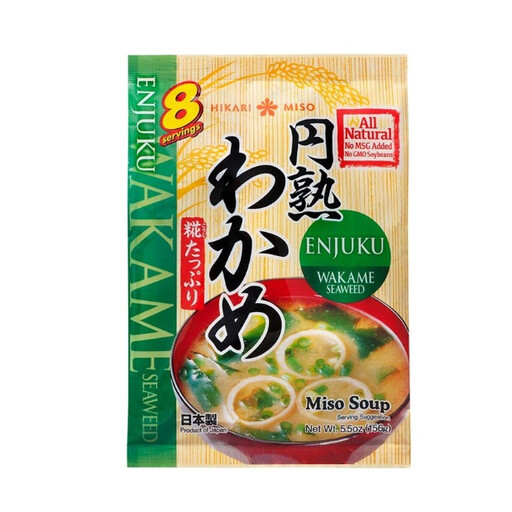 Image unavailable
The stated eight portions may appeal to households that make soup more than once.
Check how the portions are packed, along with the ingredients and storage instructions.
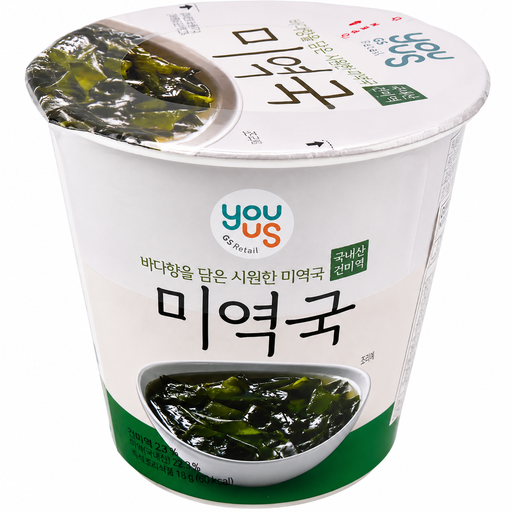 Image unavailable
The single-serve cup is handy if you want to make one portion without opening a large pack.
Read the preparation instructions and check the allergens in this recipe.
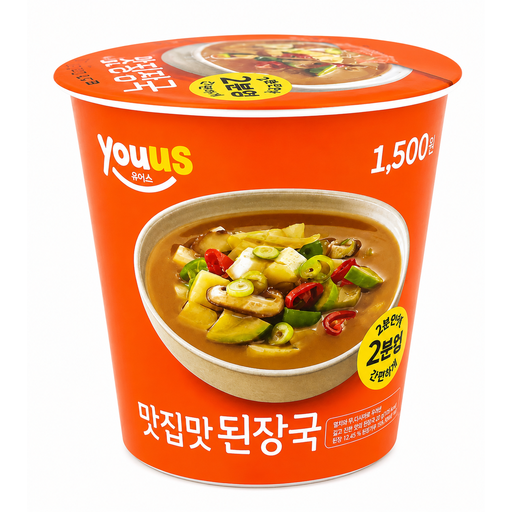 Image unavailable
This cup soup gives you a single portion to prepare whenever you need it.
Before storing it in your cupboard, check the pack’s storage instructions. Also read the ingredients and preparation instructions.
According to France’s DGCCRF, soup with a minimum durability date can be eaten after that date if the packaging is intact, although some of its qualities may have declined. This does not apply to a use-by date, which must not be exceeded.
Follow the manufacturer’s instructions on temperature and how soon to eat the soup after opening. The date printed for an unopened product is no longer enough on its own.
A carton is a good choice if you want liquid soup that’s ready to heat and will use the amount you open. A dehydrated mix works well if you’d rather make portions as needed; check the stated yield and preparation instructions.
No. The name ‘vegetable soup’ doesn’t tell you everything that’s in the recipe. Read the ingredients list and allergen information on the exact product before choosing it.