When planning a cupboard soup for Candlemas, first choose a format to suit the number of people and the time you have available: a large carton to share, smaller cartons to limit leftovers, or sachets to prepare as needed. Then compare the salt per portion, ingredients, allergens and instructions for after opening. A claim such as “no added preservatives” is no substitute for reading the label.
Who are these formats suitable for?
Households looking to keep a quick meal in the cupboard
If making crêpes leaves you with little time to cook, a ready-made liquid soup that just needs heating cuts down on preparation. Dehydrated sachets take up less space, but need hot water and some preparation, as shown in Auchan’s product information and Carrefour’s product ranges.
People keeping an eye on salt and allergens
The number of vegetables advertised isn’t enough to help you choose a recipe. Compare the salt content for the portion you’ll serve, and check the allergens for the specific product: Auchan’s soup listings, for example, flag celery or milk in some recipes.
Smaller households looking to limit leftovers
For one or two people, two small cartons or individual sachets let you open only what you need. Even so, check the portion sizes and storage instructions for after opening before choosing a large format.
What should you compare?
First decide whether you want a soup that’s ready to heat or one you prepare with hot water, then choose an amount to suit the number of people. The recipe and its label will help you decide between the formats that meet your needs.
| What to compare |
What to check |
Who is it for? |
| Format and preparation |
Liquid soup to heat or a sachet to make up; for sachets, check the stated water volume and number of portions. |
When I’ve already got crêpes to prepare, I want to serve soup without adding extra steps. Around 37% of consumers are said to prioritise preparation method. |
| Salt, ingredients and allergens |
Salt per 100 ml and per portion consumed; the ingredients list and highlighted allergens. |
I want to know what’s in the recipe before choosing between a carton and a sachet. Around 27% of consumers are said to prioritise ingredients over format. |
| Portions and leftovers |
How much to open for the meal, and the refrigeration and consumption instructions for after opening. |
If I’m serving one person, I’d rather not open a carton I can’t finish within the stated time. Around 18% of consumers are said to prioritise limiting leftovers. |
| Where it fits in the meal |
Whether the soup is intended as a savoury starter, a separate meal or a back-up option; choose an amount to suit the number of people. |
With crêpes on the menu, I want to decide whether soup really belongs in the same meal rather than serving too much. Around 18% of consumers are said to prioritise planning the meal this way. |
Mistakes to avoid
-
Confusing liquid soup with dehydrated soup
Liquid soup in a carton needs heating, while a sachet needs to be made up with water according to the instructions. For example, Auchan’s product information for Royco chicken and crouton soup says to add 200 ml of boiling water per sachet.
Before buying, read the preparation instructions and make sure you’ll have the equipment you need when it’s time to serve.
-
Choosing based only on claims on the front of the pack
Claims such as “vegetables”, “organic” or “no added preservatives” don’t tell you how much salt a recipe contains or which allergens it includes. The DGCCRF reminds shoppers that allergenic ingredients must be highlighted on the label.
Compare the nutritional information per portion and read the ingredients list for each product you’re considering.
-
Opening a large carton without planning for the remaining portions
Auchan’s product information for the Liebig soups reviewed says to refrigerate the product after opening and consume it within 48 hours. A large carton could therefore leave you with soup to spare if only a few people are having some.
Choose a volume to suit the number of people and follow the time limit on the packaging of the recipe you buy.
Any amount not consumed within that time may go to waste.
-
Checking only the date on a metal can
According to the DGCCRF, a bulging, rusty or dented can may indicate that the contents have deteriorated, even if the date printed on it seems fine.
Don’t use a metal can that is visibly damaged. The date doesn’t replace checking its condition.
Brands to compare
Liebig
Liebig offers vegetable soups in 1 L cartons and multipacks of smaller 30 cl cartons, as well as the lower-salt PurSoup' recipe listed by Auchan.
- The product information for the recipes reviewed lets you compare formats, ingredients, nutritional values and instructions for after opening.
- Claims about ingredients or preservatives don’t, on their own, tell you about the salt or allergens in each recipe.
Royco
Royco is represented here by an instant soup in individual sachets, to be made up with hot water.
- The individual sachets are handy for making soup by the cup and fit neatly in a small cupboard.
- The chicken and crouton recipe listed by Auchan needs 200 ml of boiling water per sachet. Check its allergen list before buying.
Carrefour
Carrefour stocks liquid soups in cartons, including velouté-style and blended soups across a range of its own-brand lines.
- The recipes and formats available make it easier to find an amount to suit the meal you have in mind.
- Check the label for each product: the brand alone doesn’t tell you its ingredients or storage instructions.
Knorr & La Potagère
Carrefour’s range features several vegetable velouté recipes under this brand, including varieties with spices.
- The choice of recipes makes it easy to pick a flavour to suit how you plan to serve the soup as part of your meal.
- Check the ingredients, nutritional information and allergens for the product you choose rather than assuming they’re the same across the range.
Cupboard soups available on Joybuy
This selection includes small cartons of vegetable soup and soups in sachets to prepare. If you’re planning a savoury meal alongside your crêpes, check the recipe and serving size: the sachets featured here don’t all contain the same ingredients or serve the same purpose.
 Image unavailable
Liebig Mouliné 12-vegetable soup, 2 × 30 cl
The two small cartons let you open just the amount you need for a smaller meal. Joybuy’s product information gives the salt content as 0.67 g per 100 ml. Check the packaging for allergens and instructions for after opening, too.
View on Joybuy
 Image unavailable
ROYCO Dehydrated noodle soup with carrot and mushrooms, 3 × 20 cl
The three separate portions are handy if you’d rather make soup as needed than open a carton. Each portion makes 20 cl of prepared soup. Check the amount of water to add, ingredients and allergens stated on the sachets.
View on Joybuy
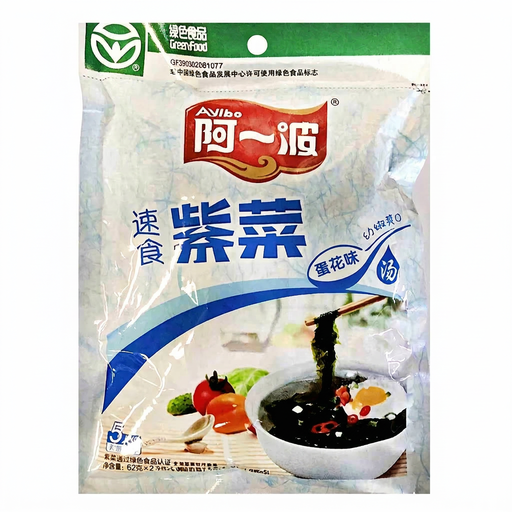 Image unavailable
Ayibo Lavender Soup, egg drop flavour, 62 g
This instant soup is ideal if you want to prepare a sachet at mealtimes. The net weight is 62 g. To compare its salt content with that of a liquid soup, check the value for the portion as prepared. Also check the allergens in this recipe.
View on Joybuy
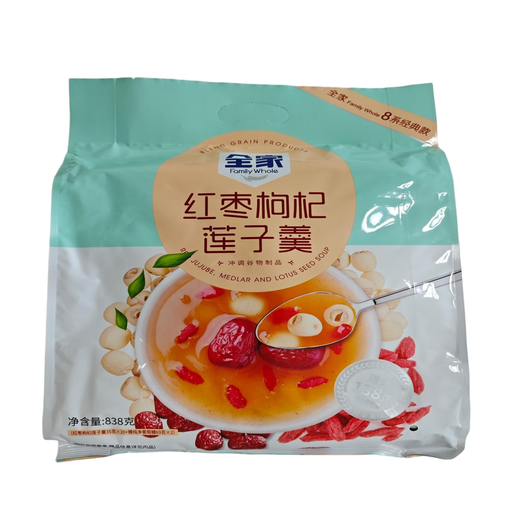 Image unavailable
Family Whole Soup with red dates, goji berries and lotus seeds, 838 g
This sachet recipe can be prepared as needed, but it differs from a vegetable soup intended as a savoury starter. The pack contains 20 soup sachets weighing 35 g each and two sachets of pure glucose. Check that the recipe and pack contents are right for the meal you have planned.
View on Joybuy
Frequently asked questions
Can soup in a carton be stored in the cupboard?
Yes, before opening, as long as the storage instructions on the carton allow it. Once opened, follow the specific instructions: Auchan’s product information for the Liebig soups reviewed says to refrigerate them and consume them within 48 hours.
Can you eat soup after the date on the packaging?
It depends on the type of date shown. A use-by date is a firm deadline, while a best-before date means something different, as explained by the French Ministry of the Economy. Check which date is shown, and follow the storage conditions and instructions for after opening too.
What should you do if a metal can is bulging or rusty?
Don’t eat the contents of a metal can that is visibly damaged. According to the DGCCRF, bulging, rust or dents can indicate that the contents have deteriorated, regardless of the date printed on the can.
Is “no added preservatives” enough to help you choose a soup?
No: it doesn’t tell you how much salt there is per portion or which allergens the recipe contains. Read the ingredients list and nutritional information for the product you choose. The DGCCRF reminds shoppers that allergenic ingredients must be highlighted on the label.


