If you’re serving several portions at the same meal, a 1 L carton could be a good choice. If you’d rather open smaller amounts, look for packs of 2 × 30 cl. Dehydrated sachets take up space differently in the cupboard, but need to be prepared with water. If you’re specifically looking for tins, check the packaging before you order: a carton or sachet isn’t a tin.
Who are these formats suitable for?
Households serving several portions at once
A 1 L carton works well for a shared meal if your household will use all or most of it in one go. Auchan describes some cartons of this size as suitable for four people, but check the number of portions listed for the recipe you choose.
Smaller households looking to avoid leftovers
With a pack of 2 × 30 cl, you can open one carton without opening the other. This format is worth comparing with a larger carton if you eat at different times.
People who prefer dry portions
Dehydrated sachets can be prepared as needed. They’re a good option if you’re happy to follow the instructions and have the water you need; they’re not a substitute for liquid soup that simply needs reheating.
What should you check before buying a multipack?
First, choose the type of soup — liquid soup to heat, dehydrated soup to prepare or soup in a tin — then check that the quantity and storage instructions suit how quickly you’ll use it.
1 L cartons
Consider this if: you’re serving several portions at the same meal.
Bear in mind: once opened, a carton must be stored and used according to the instructions on the packaging.
Packs of 2 × 30 cl
Consider this if: you’d like to open one small carton at a time.
Bear in mind: check the total volume of the pack before stocking up.
Dehydrated sachets
Consider this if: you want to prepare portions without storing ready-made liquid soup.
Bear in mind: they need water and must be prepared according to the instructions for each recipe.
Tins
Consider this if: this specific type of packaging is one of your buying criteria.
Bear in mind: check each tin. The DGCCRF highlights dents, rust and bulging as possible signs of spoilage.
| Criterion |
What to check |
Who it matters to |
| Volume per meal |
Check the volume of each unit and the number of portions listed for the recipe. |
If I’m making soup for one or more people, I want to open an amount that suits us without ending up with lots of leftovers. Around 31% of consumers put the volume needed per meal at the heart of their decision. |
| Using up your stock |
Count the units in the pack and read the storage instructions for after opening. |
When stocking my cupboard, I’d rather buy a pack I can use over several meals than have opened packs left over. This is a priority for around 31% of consumers. |
| Ingredients |
Compare nutritional information on the same basis and check the ingredients and allergens for each recipe. |
When my stock includes several recipes, I want to check their ingredients, salt content and allergens before serving them. Around 23% of consumers prioritise checking the labels. |
| Preparation and storage |
Distinguish soup that’s ready to heat from a mix that needs rehydrating; check the instructions and how much storage space you have. |
If I’m short on space or preparing one portion at a time, the packaging matters just as much as the recipe. Around 15% of consumers put storage and preparation needs first. |
Mistakes to avoid when stocking up on soup
-
Assuming all cupboard formats are tins
Liquid soup in a carton, dehydrated soup in a sachet and soup in a tin are not prepared in the same way. So searching for “tinned” or “preserved” soup isn’t enough to identify the packaging.
Check the product name, packaging and instructions. If you’re buying soup in a tin, don’t eat the contents if the tin is bulging, rusty or dented: the DGCCRF says these signs may indicate spoilage.
-
Choosing a recipe without checking the ingredients
The format tells you nothing about the ingredients or allergens. These can vary from one soup to another, even within the same brand.
Check the ingredients list, allergens and nutritional values for each product. When comparing two salt levels, use the same unit.
-
Forgetting the instructions for after opening
The date on an unopened pack doesn’t replace the instructions for storing the soup once opened.
Before buying several units, check their dates and the manufacturer’s storage instructions. Arrange your stock so you use the oldest units first.
Brands to know, by format
Royco
Dehydrated soups in sachets, to prepare rather than simply heat up.
- One product listed by Auchan contains three sachets, each to be prepared with 200 ml of boiling water.
- Check the ingredients and allergens for your chosen recipe; this sachet isn’t a tin.
Carrefour Classic'
Liquid soups in cartons, with formats to suit the amount you have at each meal.
- Carrefour’s range includes 1 L cartons and packs of 2 × 30 cl.
- Check the format, recipe and nutritional information for each product.
Auchan
Liquid soups available in family-size formats and smaller cartons.
- Auchan lists 1 L products for four people and packs of 2 × 30 cl for two people.
- Check the number of portions and ingredients on the product you choose.
Liebig
Liquid soups in cartons, including some recipes sold in multipacks of smaller cartons.
- Liebig products in 2 × 30 cl packs let you open one carton at a time.
- A product labelled “-25 % salt” lists celery and milk among its ingredients. This comparative claim doesn’t replace checking the label.
Les Printanières (ALDI)
A brand to look for if you want liquid soup in a 1 L carton.
- ALDI lists Les Printanières smooth and blended soups in this format.
- The range varies by season and store, so check that the product you want is available before relying on it for your stock.
Soups and soup mixes available on Joybuy
This selection includes dehydrated soups to prepare and a pack of smaller liquid soup cartons. Choose according to how much you want to open at each meal and the preparation method that suits you.
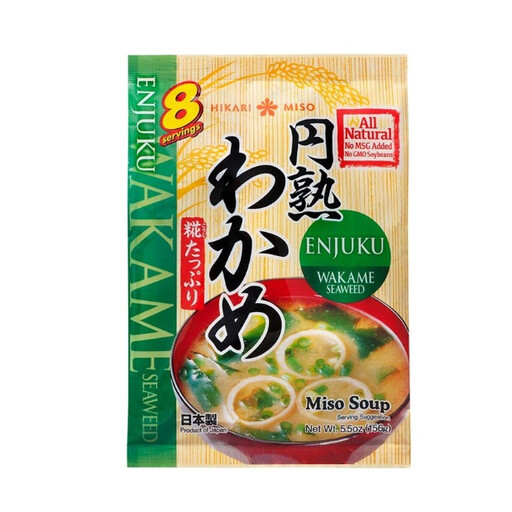 Image unavailable
Hikari Enjuku Miso Soup Wakame, 156 g, 8 portions
Worth considering if you want to keep several portions of dehydrated soup on hand to prepare as needed. The pack lists 156 g and eight portions; check the preparation instructions and allergens on the packaging.
View on Joybuy
 Image unavailable
Royco dehydrated noodle soup with carrot and mushrooms, 3 × 20 cl
The three individually portioned servings could suit you if you prepare one soup at a time. The stated volume is 3 × 20 cl once prepared; add water according to the instructions and check the recipe’s allergens.
View on Joybuy
 Image unavailable
Liebig 12-vegetable soup, 2 × 30 cl
The two separate cartons let you open 30 cl at a time instead of the whole pack. The total volume is 60 cl; check the packaging for allergens and storage instructions after opening.
View on Joybuy
 Image unavailable
Knorr Thai Noodle Soup with Mushrooms, 2 Assorted, 69 g, 0,70 L
This dehydrated soup mix is a good choice if you want to prepare soup at mealtime rather than simply heat up a carton. The title lists 69 g and 0,70 L; check the exact pack contents, cooking instructions and allergens before buying.
View on Joybuy
Frequently asked questions
Is soup in a carton the same as soup in a tin?
No. They’re different types of packaging, although both can be used to stock your cupboard. Ready-to-use soup in a carton needs reheating, while dehydrated soup in a sachet must be prepared according to the instructions.
When should you choose 1 L rather than a pack of 2 × 30 cl?
A 1 L carton is suitable if you’re serving several portions at once; a pack of 2 × 30 cl lets you open a smaller amount at a time. Check the number of portions listed for the recipe and the instructions for after opening.
How should you store long-life soup after opening?
Follow the storage temperature and time stated by the manufacturer on the packaging. The date on an unopened product doesn’t replace these instructions once the soup has been opened.
What should you do if a soup tin is bulging or rusty?
If you’re unsure whether the tin is intact, don’t eat its contents. The DGCCRF says that bulging, rust or dents may indicate spoilage, regardless of the date on the tin.
Is a “-25 % salt” claim enough to help you choose a soup?
No. This is a comparative claim and doesn’t tell you everything about the recipe. Compare nutritional values on the same basis, and read the ingredients list and allergen information for the product.


