What should you look for first?
First choose between a ready-to-heat soup and a sachet that needs reconstituting. Then compare the nutritional information, ingredients and portion size you plan to serve.
| What to consider |
What to check |
Who is it for? |
| Meal composition |
Compare carbohydrates and protein per 100 ml, then work out how much you’ll get in the portion you serve. Plan the other foods in your meal too. |
After a ride, I want to know what my bowl provides before deciding what to have with it. Around 40% of consumers in this group would put meal composition first. |
| Salt and allergens |
Check the ‘salt’ value, ingredients list and allergen declaration for the specific recipe. |
If I need to keep an eye on salt or avoid an ingredient, the soup’s name alone isn’t enough to help me choose. This would be the main consideration for around 30% of consumers in this group. |
| Format and portions |
Check the volume when ready to serve or prepared, the number of bowls it makes and the storage instructions after opening. |
If I want to keep soup in the cupboard without opening more portions than I need, I’ll choose a format that suits how I use it. Around 30% of consumers in this group would prioritise this practical consideration. |
Soup sachets available on Joybuy
These products are soup sachets to prepare with water. They’re a space-saving option for your cupboard. To put together a meal after a bike ride, check the prepared portion and what you’re serving alongside the soup.
 Image unavailable
Maggi Harira Soep, 90 g
Worth considering if you want to make soup from a sachet at home. The sachet weighs 90 g. Check the packaging for how much water to use and the nutritional information for the bowl you’ll serve, as portion and preparation instructions vary. Contains gluten; may contain traces of egg, soya, milk and celery.
View on Joybuy
 Image unavailable
Maggi Chorba Soep, 85 g
A sachet option for making soup with water. The sachet weighs 85 g. Before using the nutritional information per bowl, compare the portion you plan to serve with the preparation instructions. Contains gluten and celery; may contain traces of egg, soya and milk.
View on Joybuy
 Image unavailable
Knorr Thai Noodle Soup with Mushrooms, 2 Assorted, 69 g, 0.70 L
Worth considering if you’re making several bowls of soup from one sachet. The product name lists 69 g and 0.70 L. To work out what you’ll be consuming, compare the nutritional information per 100 ml of prepared soup with the volume of your bowl. Contains gluten, eggs, soya, mustard and milk; also check the packaging for any listed traces.
View on Joybuy
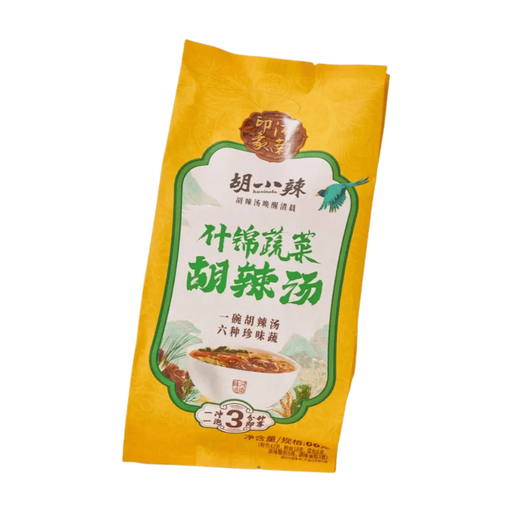 Image unavailable
Haoxiangni Assorted Vegetable Spicy Soup, 66 g
Worth considering if you want a sachet soup to prepare in a bowl with hot water. The sachet weighs 66 g. Check what the nutritional information per 100 g refers to before comparing it with the values for a prepared portion. Contains gluten, soya and sesame.
View on Joybuy
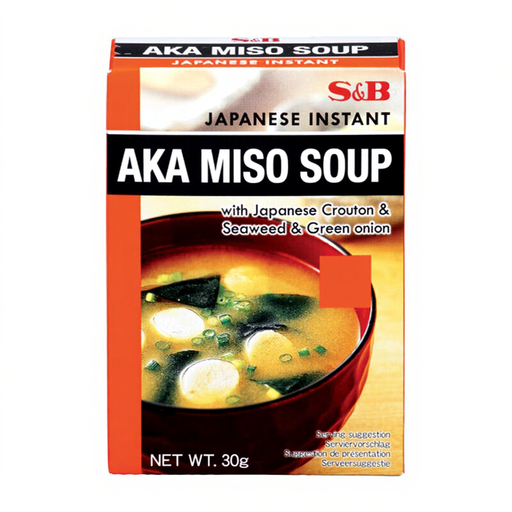 Image unavailable
S&B Instant Aka Miso Soup, 30 g
A single-serving soup to consider as an accompaniment rather than a meal after your ride. The product weighs 30 g and is prepared with 160 ml of water. The listed value of 14.5 g of salt per 100 g applies to the dry product, so check how much salt is in the sachet you use. Contains soya and wheat containing gluten.
View on Joybuy
Frequently asked questions
Is cupboard soup enough for a meal after a bike ride?
Don’t assume that a bowl is enough: the Eco+ and La Conserverie du Chênelet vegetable soups featured by E.Leclerc and Auchan contain little protein per 100 ml. The French Cycling Federation stresses that your diet should be suited to your effort and recovery. Check the portion you serve and plan the rest of your meal accordingly.
Should you choose a carton, a jar or a sachet?
Choose a carton or jar if you want a ready-to-heat liquid soup. A sachet is a good option if you’d rather store a dried format that you can prepare with water. Either way, compare the number of portions, serving volume, ingredients and nutritional information for the recipe.
Which allergens should you check in cupboard soup?
Check the allergens in the recipe you choose. Depending on the product, Carrefour’s soup information lists celery, milk, wheat or barley, as well as possible traces of certain allergens. Read the allergen declaration on every pack, even if you’ve bought the brand before.
Can you keep soup after the date shown?
It depends on the wording on the packaging. In France, the Directorate-General for Competition Policy, Consumer Affairs and Fraud Control distinguishes between the use-by date (DLC), which must be followed, and the best-before date (DDM), after which a product with intact packaging may lose some of its qualities. Also follow the storage conditions and the stated time limit for using the product after opening.


