Anyone who must strictly avoid gluten
A rice-based noodle isn’t a substitute for checking the packet. According to AFDIAG, ‘gluten-free’ means a maximum gluten content of 20 mg/kg; its crossed-grain logo provides additional certification.


When choosing cupboard noodles that avoid an allergen, start with the ingredients list and information on the exact packet, rather than relying on the noodle’s name alone. Plain dried rice noodles with a short ingredients list can be a versatile base, but the sauce and toppings must also be suitable. If you need to avoid gluten, look for a ‘gluten-free’ claim and check for any other allergens you need to avoid.
A rice-based noodle isn’t a substitute for checking the packet. According to AFDIAG, ‘gluten-free’ means a maximum gluten content of 20 mg/kg; its crossed-grain logo provides additional certification.
The allergen you need to avoid could be egg, soya, sesame or tree nuts, and it may be in the noodles, sauce or seasoning. The DGCCRF reminds us that allergens must be highlighted in the ingredients list on pre-packed foods.
Dried noodles let you choose the base and accompaniments separately. For example, Auchan lists JOM BAO noodles made with white and wholegrain rice, and NOAD noodles made with white rice. These ingredients apply only to the specific products listed.
First identify the allergen you need to avoid, then check the ingredients of the whole noodle product, including any seasoning. Pack size and availability are only worth comparing once you’ve done this.
| What matters | What to check | Who it’s for |
|---|---|---|
| Avoiding gluten | The ‘gluten-free’ claim on the packet; look for the crossed-grain logo if you want this certification. | If I need to avoid gluten strictly, rice-based ingredients alone aren’t enough to guide my choice. Around 31% of consumers prioritise avoiding gluten. |
| Another specific allergen | Highlighted allergens in the ingredients, including in the sauce or seasoning sachet, and any relevant ‘may contain’ information. | If I need to avoid soya, egg, sesame or a tree nut, I want to be able to check the full recipe. This is the top priority for around 31% of consumers. |
| A simple cupboard staple | The ingredients list and storage instructions on the packet. | If I prefer to choose my own sauce, I look for a dried noodle base whose ingredients I can check separately. This is the top priority for around 23% of consumers. |
| Availability and pack size | The exact product available in store or for collection, followed by the label on the packet you receive. | If my usual product is unavailable, I need to find another option without assuming it has the same ingredients. Around 15% of consumers prioritise this practical choice. |
The ingredients can change when noodles come with sauce or toppings. Carrefour, for example, describes a noodle dish containing soya, cashew nuts and sesame.
Read the ingredients for the whole product, not just the grain named on the pack.
This claim relates to gluten; it doesn’t mean the product is free from soya, egg, sesame or tree nuts.
Use it to check whether the product meets your needs around gluten, then check separately for any other allergens you need to avoid.
Two products with the same shape can have different recipes. Lidl also says that its gluten-free products aren’t part of its permanent range.
If you’re switching products, read the new packet’s label from the beginning.
According to the DGCCRF, food must not be eaten after its use-by date. In certain circumstances, a product can be eaten after its best-before date if the packaging is intact, although its quality may have changed.
Follow the storage instructions and the guidance for the date printed on the packet.
Its range includes egg noodles, rice noodles and instant noodles. Compare the recipes rather than assuming these categories are interchangeable.
Its JOM BAO and NOAD product listings provide examples of dried rice noodles whose ingredients you can check before choosing a cupboard staple.
The retailer may stock instant noodles, but check what’s available when you shop.
The retailer sells instant and dried noodles under the Asia Green Garden brand.
These products are useful for comparing noodle bases to prepare with accompaniments of your choice. One of them lists wheat, so check the ingredients, any relevant ‘may contain’ information and storage instructions on each packet before adding it to your cupboard.
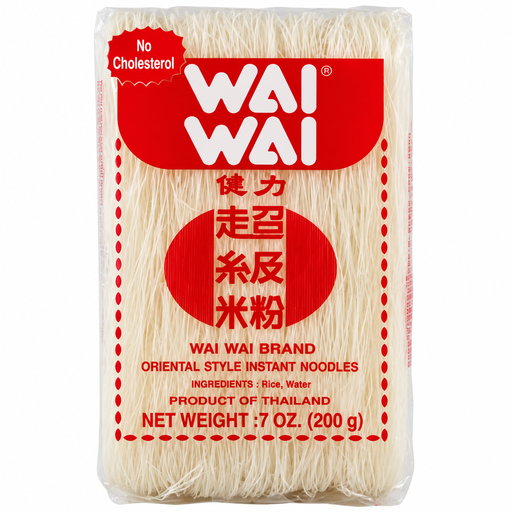 Image unavailable
Worth considering if you’re looking for a vermicelli base to season separately. If you need to avoid gluten or another allergen, check the claims and any ‘may contain’ information on the exact packet.
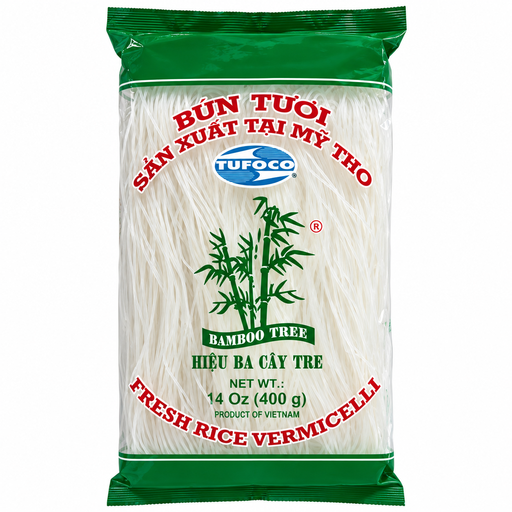 Image unavailable
Compare this option for recipes where you choose the sauce yourself. Check the packet for any allergens you need to avoid and any ‘may contain’ information.
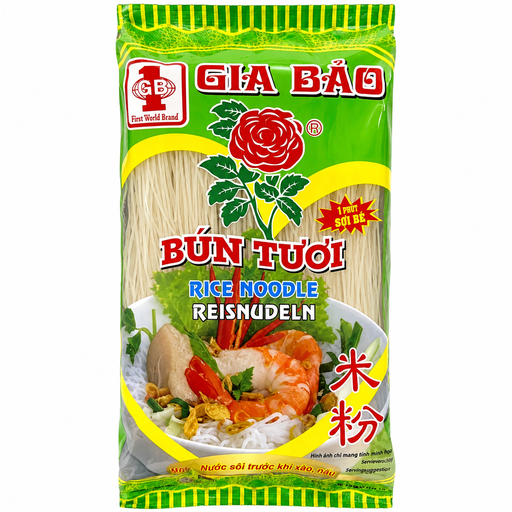 Image unavailable
This size could work for preparing several recipes from a rice-based staple. If you need to avoid gluten, look for the relevant claim on the packaging rather than assuming it’s suitable based on the main ingredient alone.
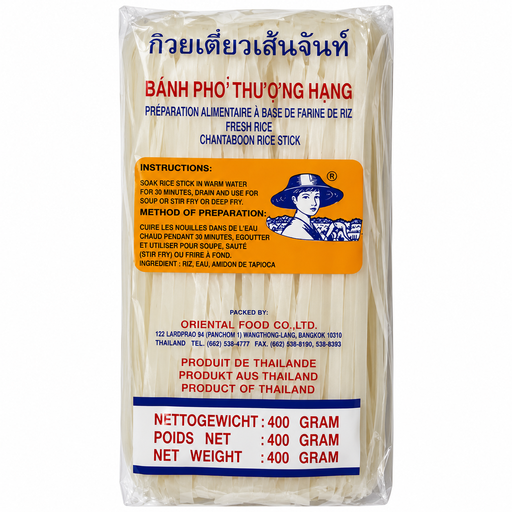 Image unavailable
The stated width sets this product apart from finer vermicelli. Before adding it to your cupboard, check the packet for ingredients, allergens and storage instructions.
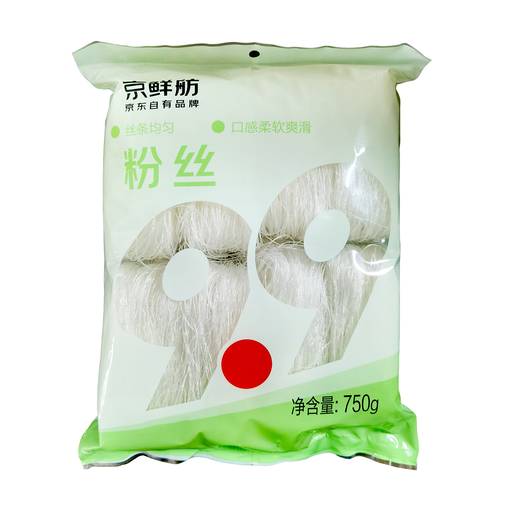 Image unavailable
Check this product separately from rice-based noodles: its listing mentions wheat. Don’t choose it if you need to avoid wheat, and check the packet for any other allergens relevant to you.
No: ‘rice’ describes the base, not necessarily the whole recipe or possible traces. A noodle dish listed by Carrefour contains soya, cashew nuts and sesame, for example. Always read the label on the exact product.
According to AFDIAG, it means a maximum gluten content of 20 mg/kg. On its own, it doesn’t tell you whether the product contains egg, soya, sesame or tree nuts, so check the other ingredients for anything you need to avoid.
Check the ingredients list: the DGCCRF says that allergens in pre-packed foods must be highlighted there. Also read any ‘may contain’ information relevant to your situation.
Follow the storage instructions and date on each packet. The DGCCRF distinguishes between a best-before date, after which a product in intact packaging may still be eaten in certain circumstances, and a use-by date, which must not be exceeded.
Yes, if it relates to an allergen you need to avoid: it warns that the allergen may be present, which you should consider when choosing a product. Check this information even if the allergen isn’t listed as an ingredient in the recipe.