Your first cupboard, with just a kettle
You want a single-serve container that means you don’t need to use a saucepan. Check that the instructions really do call for hot water, then look at the waiting time and any extra steps, such as draining.


For your first shop, choose a single-serve cup or bowl if you plan to make your noodles with hot water and want a container; a packet is suitable if you already have the necessary equipment and are happy with its preparation method. Before deciding, compare the net weight, number of units, preparation steps and ingredients list: a product described as single-serve may not contain the amount you want to eat.
You want a single-serve container that means you don’t need to use a saucepan. Check that the instructions really do call for hot water, then look at the waiting time and any extra steps, such as draining.
You’re deciding between a small cup and a larger bowl. The products listed by E.Leclerc, Tanoshi and Auchan have different net weights, so check the weight and the stated number of portions rather than judging by the apparent size of the container.
You want to check the ingredients, allergens or salt content. The ingredients list and nutrition information help you compare products beyond their flavour names.
Start with the equipment you have, then check whether the packaging, recipe and quantity suit what you plan to prepare. A cup gives you a container; with a packet, you’ll need to provide the one specified in the preparation instructions.
| What to consider | What to check | Who it matters to |
|---|---|---|
| Preparation | Read the instructions for adding hot water, the waiting time and any draining step. | If I only have a kettle, I want to be able to follow every step without a saucepan or any unexpected handling. Around 31% of consumers would prioritise ease of preparation. |
| Packaging | Check how many cups or packets are in the pack and the quantity in each unit. | For my first try, I’d rather know whether I’m buying a single recipe to try or several identical units. Packaging would be the top consideration for around 19% of consumers. |
| Ingredients | Check the ingredients list, allergens and the amount of salt shown in the nutrition information. | Before choosing a flavour, I need to check that its ingredients suit my dietary requirements. Around 25% of consumers would prioritise ingredients. |
| Portion size | Compare the net weight and stated number of portions; don’t rely on the picture of the pot alone. | If these noodles are the main part of my meal, I want to know how much I’m getting before choosing a small cup or a larger bowl. Around 25% of consumers would put portion size first. |
The individual cups mentioned by E.Leclerc, Tanoshi and Auchan weigh 61.5 g, 65 g and 113 g respectively. So the packaging alone won’t tell you how much you’ll want to eat.
Check the net weight and stated number of portions, then decide whether you’ll have the product on its own or with something else.
Adding hot water isn’t always the only step: some soba-style cups also need to be drained.
Read the instructions for the product you’ve chosen and check that you can follow them with your kettle, access to water and the time you have available.
A packet doesn’t come with a container, while a pack of several cups means buying multiple portions of the same recipe.
Before choosing a format, check what’s in the pack and what equipment the preparation instructions call for.
A recipe’s name doesn’t tell you everything about its ingredients or allergens. Tanoshi’s teppanyaki beef cup, for example, contains wheat flour and soy sauce.
Check the ingredients and allergens for the specific product; also read its nutrition information if salt content is part of your decision.
Nissin offers Cup Noodles and Soba products, among others. Auchan lists a 113 g Soba Classic cup as one portion.
Tanoshi offers cup noodles inspired by Japanese recipes, including a 65 g teppanyaki beef cup described as one portion.
E.Leclerc stocks 61.5 g Tables du Monde cups, including beef and chicken flavours.
ALDI sells instant noodles under this brand in a pack of four, as well as a 72 g product described as protein instant noodles.
These products are instant noodles in cups or bowls, with different weights and pack sizes. For your first shop, distinguish the cartons of eight cups from the other options and check the number of units before choosing.
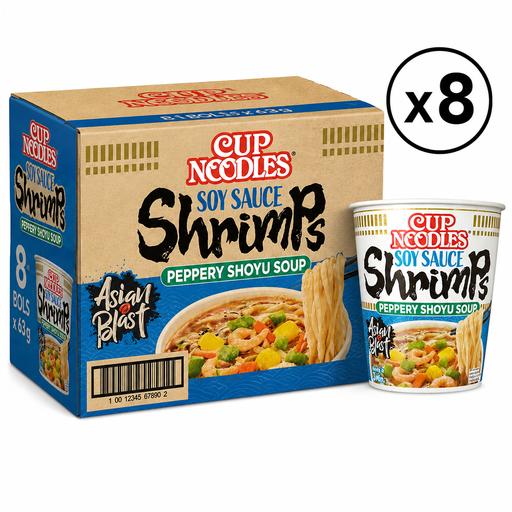 Image unavailable
Worth considering if you’d like several small cups of the same recipe rather than just one to try.
The product name indicates a carton of eight cups, each weighing 63 g. Check the ingredients list and allergens for this product before buying.
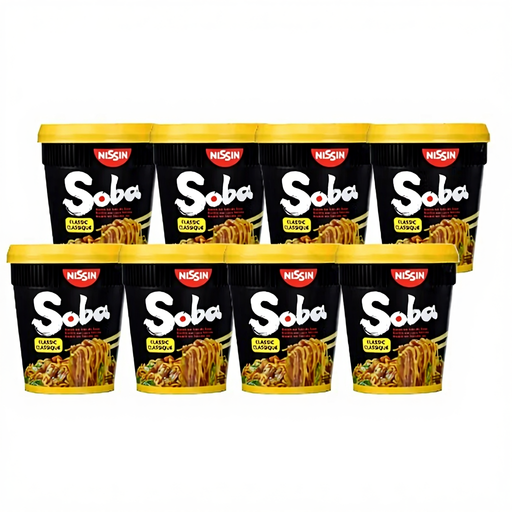 Image unavailable
Consider this if you’re looking for a 90 g cup and want several units of the same recipe.
Joybuy lists this product in a carton of eight cups. Read the preparation instructions, including any steps after adding water, and check the label if the ingredients are important to your choice.
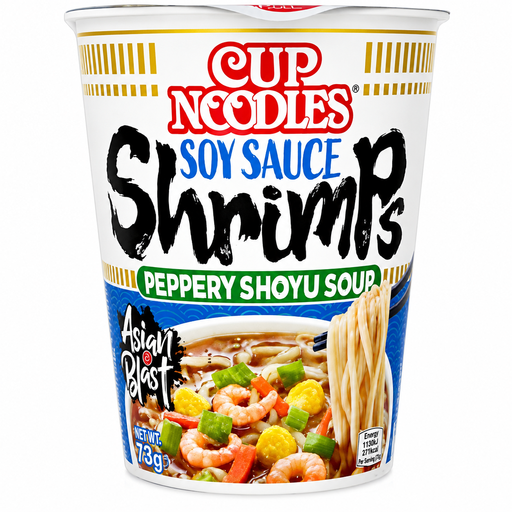 Image unavailable
The 63 g size may suit you if you’re looking to work out what makes a small portion for you.
Check how many cups are included in the offer and read the preparation instructions and allergens for the product you’ve chosen.
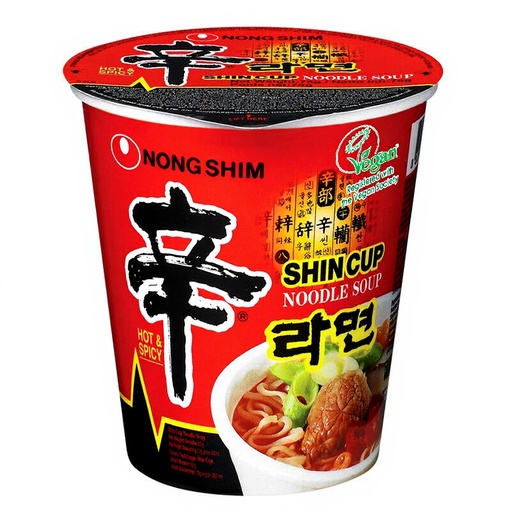 Image unavailable
This 68 g cup gives you another size to compare with the smaller options in this selection.
Before choosing it, check the number of units, preparation method and nutrition information on the packaging.
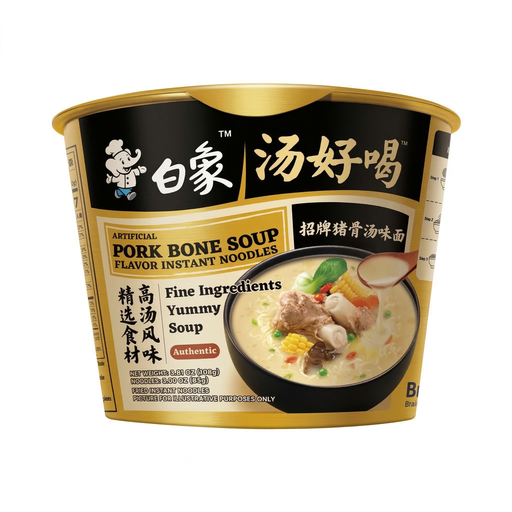 Image unavailable
Compare this 108 g bowl with lighter cups if portion size is important to your choice.
Before buying, check the number of units in the offer, the preparation steps and the ingredients list.
No: “single-serve” describes the packaging, not the amount that will suit you. The examples listed by E.Leclerc, Tanoshi and Auchan range from 61.5 g to 113 g. Compare the net weight and stated number of portions, taking the rest of your meal into account.
Read the ingredients list, any highlighted allergens and the nutrition information for the specific product. Tanoshi’s teppanyaki beef cup contains wheat flour and soy sauce, among other ingredients. To compare salt content across products, Manger Bouger recommends checking the amount stated per 100 g or 100 ml.
No: some soba-style cups may also need to be drained. If you only have a kettle or are eating away from home, read all the preparation steps before buying the product you’ve chosen.
First compare the net quantity, ingredients and nutrition declaration, then check the preparation instructions. The DGCCRF notes that prepacked foods carry labelling information and a nutrition declaration. Read the details for the specific product rather than relying solely on how it is presented on the shelf.
Empty the pot and follow the Info-tri instructions on the packaging, as well as your local guidance. ADEME says plastic packaging goes in the recycling bin; check each part of the cup separately if it is made from a different material.