
Livraison le jour même ou le lendemain

Qualité garantie

Débloquez vos offres de bienvenue: Livraison GRATUITE | Jusqu'à -80 % | 30 jours d'essai gratuits à JoyPlus
Téléchargez l'application
The queen of spices in world cuisine, cumin warms everything from a Mexican chili con carne to an Indian curry or a Moroccan tagine with its earthy, subtly citrusy flavor. But once you're in the spice aisle, a dilemma arises: should you opt for cumin powder, cumin seeds, or a cumin-based spice blend? This guide is here to shed light on the benefits of each format and help you choose the perfect cumin for your kitchen.
To find the cumin that will elevate your dishes, three criteria are essential: its form, its freshness, and how you plan to use it.
The showdown between ground cumin and whole seeds comes down to aromatic intensity and the time you have to cook.
As with any spice, freshness is non-negotiable. Quality cumin should be sold in airtight packaging, protected from light, air, and moisture. Be sure to check the best-before date. Above all, trust your senses: a vibrant color and an aroma that fills the kitchen upon opening are excellent signs.
Simply ask yourself which dishes you cook most often.
To help you make a clear choice, here are three products that each meet a specific culinary need.
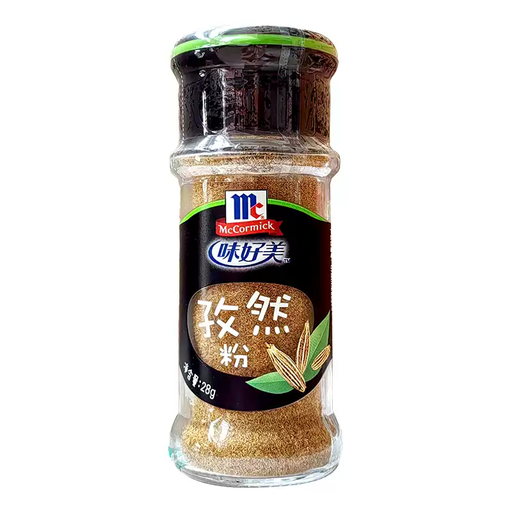
Why it stands out: This ground cumin, made from selected, finely milled seeds, is a reliable choice. It delivers a consistent, warm, and earthy aroma, perfect for a wide range of recipes. Its convenient size is a real plus for daily use.
Pros:
Who is it for?: Pragmatic cooks looking for a reliable and easy-to-use cumin spice for everyday seasoning of meats, vegetables, or legumes.
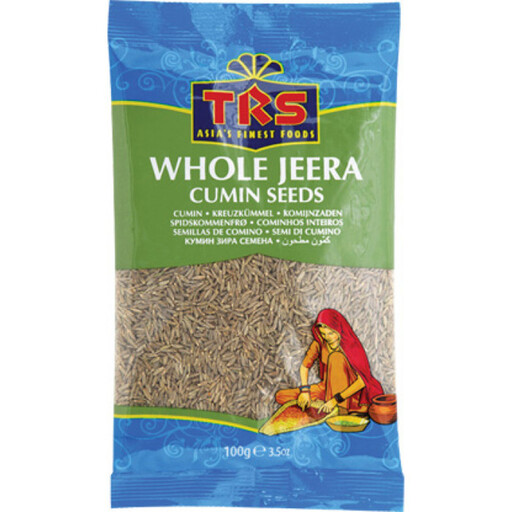
Why it stands out: Presented whole, these cumin seeds (or jeera) are a pillar of South Asian cuisine. They are the secret to having complete control over the flavor intensity, by toasting and grinding them just before cooking.
Pros:
Who is it for?: Enthusiasts of world cuisine, particularly Indian food, who want to achieve authentic flavors and enjoy the ritual of preparing spices.
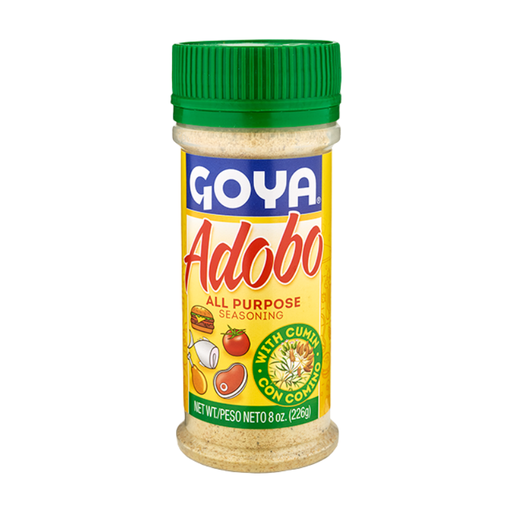
Why it stands out: More than just a spice, this is a flavorful all-rounder. GOYA Adobo is a complete blend that combines salt, garlic, oregano, black pepper, and cumin for a flavor profile typical of Latin American cuisine. An all-in-one solution to liven up your meats, poultry, fish, and vegetables.
Pros:
Who is it for?: Those looking to simplify meal prep without sacrificing taste, or who want to explore Latin flavors without collecting a multitude of spice jars.
Our selection is just a starting point. The world of cumin is rich with flavors, blends, and origins to discover. To delve deeper, feel free to explore our complete collection.
? Discover Our Full Range of Cumin Seasonings
Although they look similar and belong to the same botanical family (Apiaceae), cumin and caraway have very distinct flavors. Cumin is warm, earthy, and slightly pungent, while caraway offers a more anise-like, fresh flavor, typical of sauerkraut or certain Nordic breads. In cooking, they are generally not interchangeable.
For optimal storage, keep your cumin (powder or seeds) in an airtight container, away from heat, light, and moisture. A cool, dark cupboard is the ideal place. Cumin seeds will keep longer than the powder, which tends to lose its aromatic potency after 6 to 12 months.
Yes, absolutely. The general rule is to use about 25% more seeds than the amount of powder specified. For example, if a recipe calls for 1 teaspoon of ground cumin, use 1 ? teaspoons of seeds. For a perfect result, toast the seeds in a dry pan and then grind them in a mortar and pestle or a spice grinder before adding them to your dish.
The Joybuy Editorial Team