Retirees who want to avoid baking
A ready-to-eat croissant is a good choice if you want to prepare breakfast without using the oven. Check the ingredients list before placing an order or collecting your shopping.


For a no-preparation breakfast, choose a ready-to-eat croissant. If you have an oven and want to bake them when you fancy, look for frozen, ready-to-bake options instead. If sourdough matters to you, check the ingredients list to make sure it is included. Don’t assume that “all butter” or a mention of sourdough alone means the croissants have been made using traditional methods. Check the allergens and storage instructions, too.
A ready-to-eat croissant is a good choice if you want to prepare breakfast without using the oven. Check the ingredients list before placing an order or collecting your shopping.
Frozen, ready-to-bake croissants are a good option if you have an oven and freezer space, and can follow the product instructions.
Check the ingredients list to see whether sourdough is included. Its presence alone does not prove that the croissants have been slow-fermented or made using traditional methods.
First, decide whether you want croissants you can eat without baking or ones you can cook in the oven. Then check the recipe and packaging information to make sure they suit your needs.
| Criteria | What to check | Who is it for? |
|---|---|---|
| No baking required | Look for “ready to eat” on the packaging and check the storage instructions. | If you want to serve breakfast without turning on the oven, convenience matters more than baking croissants to order. This would be the main priority for around 44% of consumers. |
| Bake when you fancy | Check you have enough freezer space, and read the defrosting and baking instructions for the product you choose. | If you want to serve warm croissants when you’re ready, having an oven and somewhere to store the frozen product are essential. Around 33% of consumers would prioritise this. |
| Recipe and allergens | Check that sourdough is explicitly listed in the ingredients, and read the allergen information on the label. | If a sourdough recipe is your top priority, distinguish between sourdough listed as an ingredient and a claim about the fermentation process. This check would come first for around 23% of consumers. |
Lidl’s product information for its all-butter croissant does not list sourdough as an ingredient, while an Auchan product lists dried spelt wheat sourdough. That mention does not prove that the croissants have been slow-fermented or made using traditional methods.
If the process matters to you, read the ingredients and ask the retailer for more information rather than relying on the words “all butter”.
One of Auchan’s frozen croissant options needs to be kept in the freezer and baked in the oven. Its packaging says not to refreeze the product after defrosting.
Check how much freezer space you have, how many croissants are in the pack and how to prepare them before choosing this format.
Croissant product information from Lidl and Carrefour mentions wheat, milk and egg, among other allergens. Warnings about possible traces may vary between products.
Read the ingredients and warnings for the exact product before placing an order or collecting your shopping.
A manufacturer of pastries for professional customers, with several croissant recipes and formats in its range.
The retailer offers, among other things, a pack of two ready-to-eat all-butter croissants.
E.Leclerc DRIVE lists croissants in its online bakery and patisserie section.
The retailer offers packaged croissants as well as frozen, ready-to-bake options.
Lidl offers a ready-to-eat all-butter croissant.
Aldi offers, among other things, a pack of six frozen, ready-to-bake all-butter croissants.
This selection features croissants filled with hazelnut and cocoa, described as frozen and ready to bake. They are therefore suited to a different use from ready-to-eat croissants.
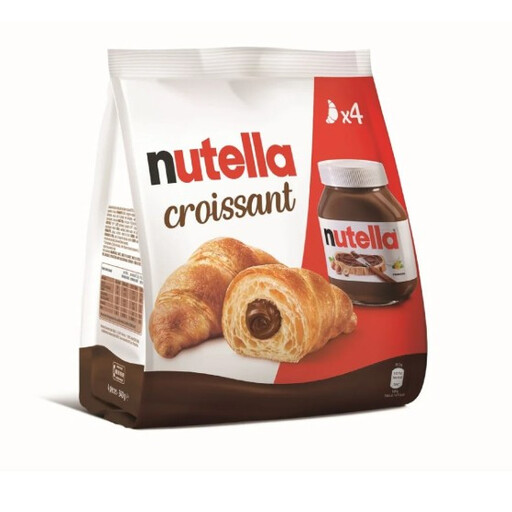 Image unavailable
Worth considering if you want to bake filled croissants when you fancy and have an oven. The description mentions sourdough, but this does not confirm that the croissants are handmade or slow-fermented. Check the allergens and baking instructions on the packaging for this product, too.
No. “All butter” tells you about the fat used, not whether the croissant contains sourdough. The Lidl product information checked does not mention sourdough, while an Auchan product lists dried spelt wheat sourdough. Check the ingredients for the product you plan to buy.
Read the label for the specific product. The Carrefour and Lidl examples mention wheat, milk and egg, among other allergens, and warnings about possible traces can vary. Anses reminds consumers that substances which can cause allergies or intolerances must be highlighted in the ingredients list of prepacked foods.
Follow the instructions on your pack. For its pack of six frozen croissants, Auchan recommends defrosting for 15 minutes, then baking at 180 °C for 15 to 20 minutes. Instructions may differ for other products.