Small household making sandwiches
If you want bread for fillings but don’t want to buy a whole baguette, half-baguettes sold in packs of two are worth considering. However, par-baked varieties need to be baked before you leave.


For a no-prep sweet picnic, choose croissants that are already baked. For sandwiches, half-baguettes are a good option if you can bake them before you leave. In a small household, the risk of leftovers depends mainly on how many pieces you actually need: check the pack size, baking instructions and ingredients for the product you choose.
If you want bread for fillings but don’t want to buy a whole baguette, half-baguettes sold in packs of two are worth considering. However, par-baked varieties need to be baked before you leave.
With a croissant that’s already baked, there’s no need to plan for an oven or cooling time. Check the product description carefully: a frozen croissant that needs baking won’t suit the same need.
The number of pieces, pack weight and portions you need matter more than the words “small size” alone. Check the exact label too if allergens or storage conditions affect your choice.
First decide whether your picnic will be a sweet snack or a meal of sandwiches. Then check the preparation time and how much you’ll need.
Choose these: for a sweet snack to take with you and enjoy without baking, such as the ready-to-eat croissant described by Lidl France.
Bear in mind: the pack size needs to match the portions you want; Carrefour France, for example, offers a pack of 16 croissants weighing 640 g.
Choose these: for making sandwiches if you have access to an oven before you leave.
Bear in mind: you’ll need to bake the bread and let it cool; Auchan France gives a baking time of around 8 to 10 minutes at 220 °C for its organic variety.
| What matters | What to check | Who is it for? |
|---|---|---|
| Preparation before you leave | Look for “already baked”, “par-baked” or “frozen and needs baking”, and read the preparation instructions. | I’m leaving soon and want to eat without using an oven. Around 38% of consumers prioritise this instant convenience. |
| Quantity and leftovers | Compare the number of pieces and total weight with the portions you need for your group. | For a meal for two, I don’t want to open a pack and leave most of it unused. Getting the quantity right is the main concern for around 37% of consumers. |
| Ingredients and storage | Check the allergens and date on the packaging; if the filling needs to be kept chilled, make sure you can transport it appropriately. | If someone needs to avoid an ingredient, or your sandwiches contain a chilled filling, these considerations come before pack size. They are the priority for around 25% of consumers. |
A half-baguette is bread to fill, while a croissant is a pastry. They don’t become interchangeable just because both come in a small format.
For a sweet snack with no preparation, look for a croissant that’s already baked. For sandwiches, choose bread and check whether it needs baking before you leave.
The Carrefour Classic' croissant pack described by Carrefour France contains 16 pieces and weighs 640 g. A pack this size could leave you with leftovers after a picnic with a small group.
Count the portions you need, and only choose extra pieces if you plan to use them in line with the product’s storage instructions.
Recipes and possible traces vary by product. For example, “all-butter” doesn’t tell you about all the other ingredients.
Check the label on the product you buy rather than relying on its appearance or on another product from the same range.
A sandwich filled with ingredients that need to be kept chilled requires different transport precautions from plain bread.
For these fillings, Anses recommends using an insulated bag during transport. Also follow the relevant storage instructions and use-by date.
These examples show different formats and preparation methods; they’re no substitute for checking the specific product you plan to buy.
The retailer offers packaged croissants and frozen croissants to bake, as well as par-baked half-baguettes.
The retailer offers par-baked organic half-baguettes for making sandwiches.
The retailer offers Mannapain® par-baked half-baguettes as bread to fill.
The retailer describes an all-butter croissant that’s already baked and ready to eat.
The manufacturer offers, among other products, a 75 g croissant designed for preparation by professionals.
These croissants work well for a sweet picnic planned in advance: each one needs to be baked before you can take it with you. Compare the number of pieces with the portions you need, and leave the croissants to cool before setting off.
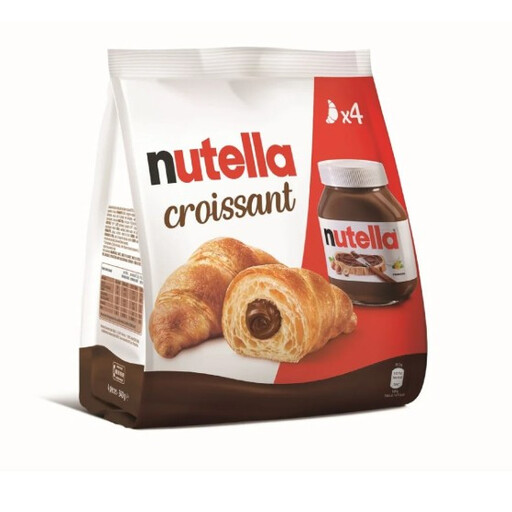 Image unavailable
Worth considering if you’re planning a sweet snack for a small group in advance. This pack contains four croissants and weighs 340 g; the product is frozen and must be baked before eating. Check the baking instructions on the packaging and allow time for the croissants to cool before you leave.
 Image unavailable
This pack of six could be a good fit if you’ve already planned what to do with any portions left after the picnic. The croissants are frozen and need baking: check the packaging instructions and leave enough time for them to cool.
 Image unavailable
If you’re planning a picnic, check that six croissants is the right amount for your group. This pack weighs 420 g; the frozen croissants need baking and cooling before you transport them. Follow the preparation instructions on the packaging.
No. In this comparison, the small bread you can fill is a half-baguette, which is different from a croissant. ALDI France and Auchan France use the term “half-baguette” for their par-baked bread. Choose according to whether you want to make sandwiches or take a pastry with you.
Plan to bake them before you leave, following the instructions for the product you choose. For its organic half-baguettes, Auchan France gives a baking time of around 8 to 10 minutes at 220 °C. Allow extra time for them to cool before filling and taking them with you.
For pre-packed food, check the product name, ingredients, allergens, net quantity and stated date. The DGCCRF sets out French labelling rules; when working out portions, also compare the number of pieces with the meal you have planned.
Put fillings that need to be kept cold in an insulated bag and limit how long they spend at room temperature. Anses recommends this type of bag for transporting chilled food. Also follow the storage instructions and use-by dates for the products you use.