Small household looking to limit leftovers
Whether you live alone or with someone else, you don’t eat croissants regularly. The number of croissants and storage requirements matter more than choosing a large pack you may not finish.


If you live in a small household, choose ready-to-eat croissants if you don’t have an oven or freezer space. A small pack of frozen croissants to bake is a good option if you can store them and follow the preparation instructions. Check the number of croissants, pack weight and storage requirements before choosing a large pack. If by “half a loaf” you mean a portion of bread, that’s a different purchase, not a croissant size.
Whether you live alone or with someone else, you don’t eat croissants regularly. The number of croissants and storage requirements matter more than choosing a large pack you may not finish.
For your first food shop, you’re looking for croissants you can enjoy without an oven. Check the pack says “ready to eat”: frozen croissants that are ready to bake need to be prepared and stored appropriately.
You want to check the ingredients and allergens in the specific product. Read the ingredients list and any “may contain” warnings rather than relying on the recipe name alone.
First decide whether you want ready-to-eat croissants or frozen ones to bake. For your first food shop, then compare the pack size with how often you eat them and the space you have available.
| What matters | What to check | Who is this for? |
|---|---|---|
| Limiting leftovers | Number of croissants, net weight and storage instructions after opening. | If I live alone or with someone else and don’t eat croissants every day, I want to avoid leaving an opened pack unfinished. Around 42% of consumers prioritise limiting leftovers. |
| Avoiding unexpected preparation | Whether the pack says “ready to eat” or “ready to bake”, plus the equipment and preparation instructions required. | Without an oven or freezer space, I need a product I can enjoy straight away as part of my first food shop. Around 33% of consumers prioritise immediate convenience. |
| Checking the ingredients | Ingredients list, highlighted allergens and any “may contain” warnings on the pack you choose. | If certain ingredients or allergens matter to my choice, I need to be able to read the label on the product I’m buying. For around 25% of consumers, this check comes before other considerations. |
Frozen croissants that are ready to bake need an oven, preparation time and freezer storage. Croissants that are already baked can be eaten without cooking.
Before buying, read the preparation instructions and check whether the croissants need to be defrosted.
A pack of 20 is not suited to the same needs as a pack of 6, especially if freezer space or how often you eat breakfast is limited.
Compare the number of croissants, total weight and storage instructions with what your household realistically expects to eat.
This claim is no substitute for checking the full ingredients and allergen information, which can vary from one product to another.
Check the ingredients and any “may contain” warnings on the packaging of the product you choose.
Bridor offers, among other products, a 40 g croissant that is ready to bake and designed for professional use.
Carrefour offers a pack of 8 individually wrapped, ready-to-eat croissants, weighing 320 g.
E.Leclerc’s EPI D'OR brand offers a pack of 8 individually wrapped croissants, weighing 320 g.
Auchan offers a pack of 8 individually wrapped croissants, weighing 320 g, as well as a pack of 8 Pasquier sourdough croissants.
Lidl offers a pure butter croissant that is already baked and ready to eat.
ALDI offers, among other products, individually wrapped Les Pâtissades croissants and a 360 g pack of 6 frozen Mannapain pure butter croissants that are ready to bake.
These products are frozen croissants to bake, sold in packs of 4 or 6. They’re suited to households with an oven and freezer. If you’re looking for croissants you can eat without cooking, choose a ready-to-eat option instead.
 Image unavailable
A pack of 6 to consider if you’d like to limit the number of croissants you buy at a time. These frozen croissants need to be baked in an oven and stored in a freezer. Follow the baking and storage instructions on the pack.
 Image unavailable
This pack of 6 is a good fit for a household with space to store frozen food and access to an oven. Check the pack for instructions and baking time before planning when to prepare them.
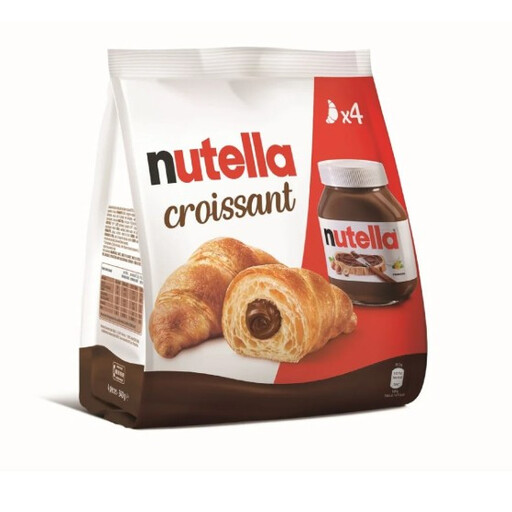 Image unavailable
This pack of 4 is for anyone specifically looking for a small number of croissants filled with hazelnut and cocoa. They’re frozen and need to be baked, so you’ll need an oven and freezer. Check the packaging for baking instructions.
Read the preparation instructions: croissants that are already baked can be eaten straight away, while frozen croissants labelled “ready to bake” need to be cooked according to the manufacturer’s instructions. Don’t rely on the photo or the number of croissants to tell the difference.
The Ministry of Agriculture distinguishes between a use-by date, which must be followed for perishable foods, and a best-before date, after which the quality may decline. Check the exact wording on your pack and follow the storage instructions.
Check the ingredients list and any “may contain” warnings on the pack you choose. Depending on the product, the croissants featured may contain wheat, milk or eggs. You can’t work out what’s in them from the words “made with pure butter” alone.
Yes, if you have a freezer and an oven, and the number of croissants suits how many you’ll eat. Compare the total weight, baking instructions and storage requirements: a pack of 20 takes up more space and lasts longer than a pack of 6.