Shoppers who prioritise organic
You want to check whether a croissant is organic without relying on the product name alone. The ingredients list, allergens and storage instructions also matter when making your choice.


If organic is your priority, choose a croissant with clearly identifiable organic certification, then check its ingredients. If you’re mainly looking for sourdough or an artisan-made product, check those separately: the words “made with sourdough” don’t guarantee that no added yeast is used, that the product is organic or that it’s made using artisan methods. Pack size and storage instructions can then help you find an option that suits your shopping habits.
You want to check whether a croissant is organic without relying on the product name alone. The ingredients list, allergens and storage instructions also matter when making your choice.
You want to know whether the recipe contains sourdough starter, whether it also includes yeast and, when buying from a bakery, how the croissant is made.
You buy several croissants for breakfasts or snacks. The number of pieces, storage instructions and availability near you can all affect your choice.
When shopping for organic products, first decide whether certification is essential to you. Then consider sourdough, the recipe and pack size as separate criteria.
| Criteria | What to check | Who it matters to |
|---|---|---|
| Organic status and ingredients | Look for clearly identifiable organic certification, then check the ingredients and allergens for the specific croissant. | When I shop for organic products, I want to be able to identify the certification and check the ingredients before choosing; around 42% of consumers would prioritise this. |
| Sourdough and artisan methods | Check the proportion of sourdough starter if it’s stated, and whether yeast is also included. If artisan methods matter to you, ask the baker how the croissants are made. | If I’m mainly looking for sourdough, I don’t want to confuse its presence with a yeast-free recipe or artisan production; around 33% of consumers would put this distinction first. |
| Pack size and storage | Compare the number of pieces, the weight and storage instructions, then check availability for your preferred way of shopping. | When I’m buying for several breakfasts, I need a pack size that suits my routine; around 25% of consumers would prioritise pack size and availability. |
Certification and recipe answer different questions. The Ministry of the Economy states that at least 95% of the ingredients in a processed organic product must come from organic farming. This alone tells you nothing about whether it was made using artisan methods or without yeast. Conversely, Auchan’s listing for Pasquier sourdough croissants states that they contain 7% sourdough starter and also mentions yeast. So check the ingredients for each product rather than making assumptions based on its name.
These terms don’t mean the same thing. Auchan’s listing for La Boulangère organic croissants mentions both sourdough starter and yeast. The listing for Pasquier sourdough croissants doesn’t, by itself, confirm that they’re organic or artisan-made.
Decide which criteria are essential to you, then check the certification and ingredients separately. If necessary, ask the baker about the production method.
The Pasquier sourdough croissants listed by Auchan also contain yeast. The croissant recipes reviewed include ingredients made from wheat, milk or eggs, depending on the product.
Read the label on the product you choose, including highlighted allergens and any “may contain” information. The Ministry of the Economy reminds shoppers that allergens must be declared on prepacked foods.
Auchan’s listings include both a 6-piece, 240 g pack of La Boulangère croissants and a 16-piece, 640 g pack of Pasquier croissants. These pack sizes suit different consumption habits.
Check the number of croissants, the weight, whether they’re individually wrapped and the storage instructions before choosing a pack size.
A croissant shown in an online range or as part of a time-limited offer may not be available when you do your shopping.
Check the product and its details at the shop or for the collection option you plan to use.
These examples can help you compare recipes and places to shop. A brand appearing here doesn’t mean that all its products are organic, made with sourdough or available on Joybuy.
An example of packaged organic, all-butter croissants listed in the Auchan and Carrefour ranges reviewed.
A packaged option to consider when declared sourdough content matters more to you than organic status.
A retailer whose bakery section lets you browse packaged croissants, including an organic La Boulangère option.
Useful product listings for checking the ingredients separately in La Boulangère organic croissants and Pasquier sourdough croissants.
A useful comparison for an all-butter croissant if organic certification and sourdough aren’t essential to you.
A brand whose Lecoq Cuisine range is aimed in part at restaurants and hotels.
These packaged croissants suit two different searches: a FOURNIL option labelled “Organic” and NUTELLA filled croissants. If organic status or sourdough is essential to you, check the product label for the specific claim you’re looking for.
 Image unavailable
Worth a look if you’re after a pack of six croissants labelled “Organic”. If organic certification is essential to you, check that it’s clearly shown on the packaging. If you’re looking for sourdough, check the ingredients too, and read the preparation instructions before buying.
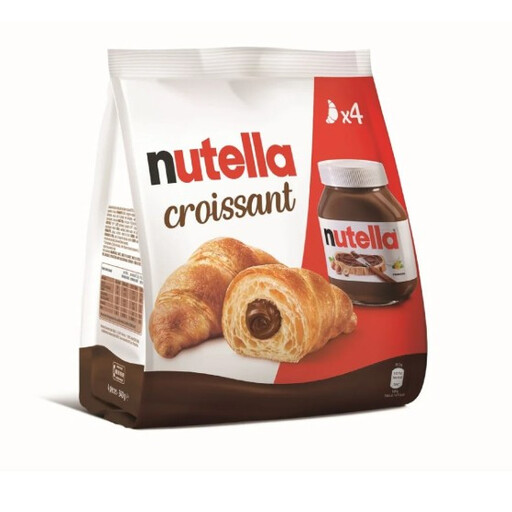 Image unavailable
An option to consider if you’d prefer four filled croissants rather than plain ones. If you’re looking for sourdough, check the ingredients list and look separately for yeast. If organic status is your main priority, check the packaging for certification.
Look for clearly identifiable organic certification, such as the Euro-leaf, then check the ingredients for that specific product. The Ministry of the Economy states that at least 95% of the ingredients in a processed organic product must come from organic farming. The word “sourdough” is no substitute for checking this.
No. Auchan’s listing for Pasquier sourdough croissants states that they contain 7% sourdough starter and also mentions yeast. Check the ingredients list for the croissants you’re considering.
No. The term indicates that sourdough starter is present; it doesn’t, on its own, describe the production method or confirm organic certification. If you’re looking for an artisan-made croissant, ask the baker how it’s made. If you require organic certification, check for it separately.
Check the label for the specific product rather than relying on its category: the recipes reviewed mention wheat, milk and eggs, depending on the product. The Ministry of the Economy states that allergens in prepacked foods must be declared and highlighted. Also read any “may contain” information.
Compare the number of pieces, the weight and the storage instructions with how quickly you’ll eat them. For example, Auchan’s listings include packs of 6 and 16 croissants. Then check which one is available at your shop or through your preferred way of shopping.