Parents looking for a familiar option
If their child is reluctant to try new foods, they’re looking for a recognisable croissant that’s easy to offer and ready to eat.


For a fussy eater, start with a croissant in a familiar format: choose one that’s ready to eat if you need to serve it straight away, or a frozen one to bake if you can plan ahead. If gluten needs to be avoided, choose a product clearly labelled gluten-free, then check the other allergens on the packaging and follow the school’s guidance.
If their child is reluctant to try new foods, they’re looking for a recognisable croissant that’s easy to offer and ready to eat.
They can plan ahead to defrost and bake a frozen product, then prepare as many as they need.
They’re looking for a product clearly labelled gluten-free, while checking separately for other allergens and any school requirements.
If dietary restrictions apply, check these first. You can then compare suitable products by format and preparation time.
| What to consider | What to check | Who it matters to |
|---|---|---|
| Familiar format | Number of croissants and weight per croissant, where stated. | If a child is more likely to accept a croissant they recognise, I look for a simple option to offer them. Around 33% of consumers put familiarity and format first. |
| Preparation | Ready to eat or bake from frozen; for frozen products, check the storage and baking instructions. | If I need to serve the croissant straight away, baking affects my plans; if I want to serve it warm, I can plan ahead. Preparation is the top priority for around 25% of consumers. |
| Allergens and school requirements | Ingredients, allergens and possible traces listed on the packaging; check the school’s guidance before taking the product in. | If a child has dietary restrictions, I need to know whether the croissant and how it’s served are suitable. Around 42% of consumers prioritise checking allergens and school requirements. |
The gluten-free croissant featured by Auchan contains eggs and milk, among other ingredients. The product information for Schär croissants sold at Carrefour mentions possible traces of hazelnuts and soya.
For the allergen in question, check the ingredients list and any ‘may contain’ information for the exact product. Don’t rely on the ‘gluten-free’ label alone.
Auchan’s product information for its all-butter croissants recommends defrosting them for 15 minutes, then baking for 15 to 20 minutes at 180 °C. A ready-to-eat product suits a different schedule.
Choose a preparation method that suits the mealtime, and follow the instructions on the pack you buy.
You’ll also need an oven and time to prepare frozen croissants for baking.
For a pupil with additional needs, an individualised support plan (PAI) may set out adjustments to their education, including dietary arrangements, according to the French Ministry of National Education.
Before sending in a snack or food for a shared meal, check with the school what’s allowed and, where relevant, what arrangements are set out in the PAI.
A brief description, such as the one for the ALDI product mentioned here, is no substitute for checking the ingredients on the product you buy. The French Directorate-General for Competition Policy, Consumer Affairs and Fraud Control reminds shoppers that allergenic ingredients must be highlighted on labels.
If allergies are a concern, check the packaging on the product you’ve bought before offering the croissant to your child.
Bridor’s Croissant 60 g is a ready-to-bake product for the foodservice trade.
The products featured include frozen all-butter croissants to bake and gluten-free butter croissants.
The Schär French-style croissant featured by Carrefour is labelled ‘gluten-free’.
Lidl’s all-butter croissant is ready to eat.
ALDI sells croissants under the Les Pâtissades name.
These products are suited to planning ahead and baking at home. If you need a croissant you can serve straight away or have to avoid gluten, first choose a product with preparation instructions and labelling that meet your needs.
 Image unavailable
Worth considering if you can bake the croissants at home rather than serving them straight away.
Check the baking instructions and allergens on the pack, particularly before serving them at school.
 Image unavailable
This product is suited to a meal where you can plan the baking in advance.
Before choosing it for your child, check the pack for preparation instructions, ingredients and allergens.
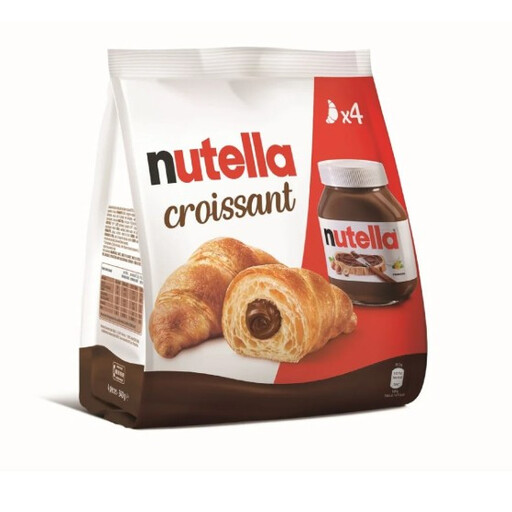 Image unavailable
The cocoa and hazelnut filling is worth bearing in mind if your child prefers plain croissants or needs to avoid certain ingredients.
Allow time for baking, and check the ingredients, allergens and preparation instructions on the pack you buy.
The classic Auchan and Bridor croissants mentioned here contain wheat or gluten, so don’t choose them if gluten needs to be avoided. Look for a product clearly labelled gluten-free, and check for other allergens too.
No. The gluten-free croissant featured by Auchan contains eggs and milk. Check the packaging of the product you buy for each allergen that needs to be avoided.
Check the product’s ingredients and allergen information, then confirm the school’s requirements. According to the French Ministry of National Education, an individualised support plan may set out adjustments for a pupil who needs them, including dietary arrangements.
The product information for Auchan’s all-butter croissants recommends defrosting them for 15 minutes, then baking for 15 to 20 minutes at 180 °C. Follow the instructions on the pack you actually buy: these timings don’t apply to every frozen product.
Lidl customer services says gluten-free products aren’t part of its permanent range, although they may be available from time to time. Check which products are available before planning a meal where gluten needs to be avoided.