Campers without a freezer or oven
A ready-to-eat croissant means you don’t need to plan for baking. Auchan says its sourdough croissants should be stored in a cool, dry place and the bag should be sealed tightly after use.


If you don’t have a freezer or oven, choose a ready-to-eat sourdough croissant with packaging that says it can be stored in a dry place, such as the Pasquier product sold by Auchan. A fresh croissant bought shortly before you set off could work for your first morning, but Maison Kayser says its croissant keeps for eight hours in a dry place. Save frozen croissants for trips where you can maintain the stated storage temperature and have access to an oven.
A ready-to-eat croissant means you don’t need to plan for baking. Auchan says its sourdough croissants should be stored in a cool, dry place and the bag should be sealed tightly after use.
If you’re stopping at a bakery just before setting off, bear in mind the storage life of the product you choose. Maison Kayser says its croissant keeps for eight hours in a dry place, in its paper wrapper.
Frozen croissants ready to bake need to be kept frozen during the journey and your stay, then baked. Auchan says its frozen product should be stored at −18 °C.
First, decide whether you’ll be able to keep the croissants cold and bake them. Then compare the sourdough content, ingredients and packaging of products suited to your set-up.
| Criterion | What to check | Relevant consumers |
|---|---|---|
| No refrigeration or baking | Storage instructions, the date on the pack and whether the bag can be resealed after opening. | Without any way to keep food cold, I want to serve breakfast without any preparation. Around 36% of consumers would make this convenience their priority. |
| Sourdough and ingredients | Whether sourdough appears in the ingredients list and which allergens are listed for the product you choose. | If I’m specifically looking for a sourdough croissant, I want to check its ingredients before taking it with me. This would be the main requirement for around 29% of consumers. |
| Portions and packaging | The number of croissants and whether they’re individually wrapped or in a shared bag. | In a small group, I’d rather choose portions that suit us than leave a large bag open for a long time. Around 21% of consumers would put pack size first. |
| Baking on site | The storage temperature and the pack’s defrosting and baking instructions. | With a freezer and an oven, I’m happy to prepare croissants on site. This would be the priority for around 14% of consumers. |
The Pasquier sourdough croissants sold by Auchan contain wheat, butter and milk, among other ingredients. Sourdough doesn’t mean these ingredients are left out.
Read the label on the pack you choose, including highlighted allergens and any ‘may contain’ warnings. The DGCCRF reminds manufacturers that allergens must be highlighted in the ingredients list.
Auchan’s frozen product must be stored at −18 °C and baked in an oven. It can’t be treated like a ready-to-eat croissant.
Only choose this format if you can follow the product’s storage instructions during the journey and while you’re away.
Keeping the croissants frozen and baking them requires a freezer, an oven and time to prepare them.
The Pasquier sourdough croissants sold by Auchan come in a shared bag that should be sealed tightly after use.
Choose a quantity that suits your group, and plan to keep the bag sealed and stored as instructed.
Maison Kayser says its croissant keeps for eight hours at room temperature, in a dry place in its paper wrapper.
Plan to eat this product soon after buying it, and choose something else for breakfast on the following days.
Auchan sells bagged Pasquier sourdough croissants, including a pack of 16.
The retailer sells individually wrapped La Boulangère croissants, as well as a frozen Carrefour Classic’ product.
The retailer sells both ready-to-eat Pasquier sourdough croissants and frozen all-butter croissants to bake.
The EPI D’OR product sold by E.Leclerc contains six frozen croissants ready to bake.
Lidl sells an all-butter croissant that’s already baked and ready to eat.
These croissants are designed to be prepared on site. Consider them if you can keep them frozen and bake them during your stay. If you’re specifically looking for sourdough, check the ingredients list for each product.
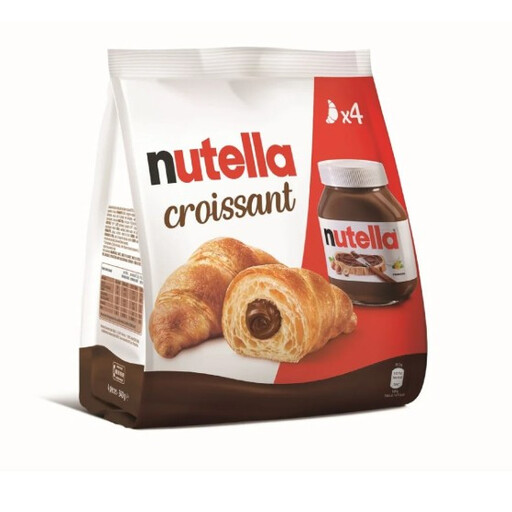 Image unavailable
Worth considering for a trip where you have access to a freezer and an oven. The pack contains four filled croissants. Check the packaging for storage and baking instructions before planning when to prepare them.
 Image unavailable
This pack of six croissants is suited to a trip where you can keep them frozen and bake them on site. Check the pack’s instructions and, if you’re looking for sourdough, read the ingredients list.
 Image unavailable
This pack of six is suited to preparing on site if you can store the croissants as required and have access to an oven. Check the packaging to plan how to bake them and confirm whether they contain the ingredients you’re looking for.
No. The Pasquier sourdough croissants sold by Auchan contain wheat, butter and milk, among other ingredients. Check the allergens on the specific pack you’re buying; the DGCCRF reminds manufacturers that these must be highlighted in the ingredients list.
Look for clear storage instructions that suit your trip, and check the date on the packaging. Auchan says its Pasquier sourdough croissants should be stored in a dry, cool place, and that the bag should be sealed tightly after opening. This isn’t the same storage time Maison Kayser gives for its fresh croissant: eight hours in a dry place.
For Auchan’s frozen product, you need to be able to keep it at −18 °C and have an oven to follow the baking instructions. So planning to bake it when you arrive isn’t enough if you can’t store it as instructed during the journey and your stay.
If you’re looking for sourdough, check the ingredients, as well as the allergens, date, storage conditions and any baking instructions. Also check how many croissants are in the pack and whether they’re individually wrapped. These details determine how you can portion them out and store the pack once it’s opened.