
Livraison le jour même ou le lendemain

Qualité garantie

Débloquez vos offres de bienvenue: Livraison GRATUITE | Jusqu'à -80 % | 30 jours d'essai gratuits à JoyPlus
Téléchargez l'application
Replacing your crockery seems simple… until the plates stack unevenly, the lids leak or a pretty mug becomes a pain to clean. Whether you’re equipping a family kitchen, a restaurant or a catering business, or regularly preparing meals to take away, it’s worth taking a little time to check your crockery and table accessories before you buy.
Some product claims can also be a little vague. Here are the main pitfalls to avoid before placing an order, along with a selection to suit different needs.
An unusual plate can make an impression at dinner, but may prove impractical for everyday use if it’s too uneven, heavy or difficult to stack. Choose deep shapes, wide rims and textured finishes with your cupboard space and washing habits in mind.
For crockery for everyday meals, check the diameter and stability, and make sure you can stack several pieces without losing half your storage space. Ceramic plates often create an elegant look, but they can break and need to be handled with care.
A claim that a product is “dishwasher and microwave safe” may not apply to every item in a set. A lid, straw, gold decoration or stainless steel part may need special care.
Check each product listing for any restrictions on using the item in the oven, freezer, microwave or dishwasher, or with very hot drinks. For example, the Maxcook tumbler is listed as unsuitable for the dishwasher, microwave and oven.
A 370 ml container won’t meet the same needs as a 1 040 ml model. Likewise, a narrow sushi plate won’t replace a dinner plate designed for serving a main course. To avoid buying items that end up at the back of a cupboard, compare the actual capacity, dimensions and number of pieces included.
A 12-piece dinnerware set can serve four people, with dinner plates, side plates and bowls. By contrast, individual pieces let you put together or add to your tableware over time.
Ceramic, stoneware and porcelain are all well suited to tableware, but their durability also depends on thickness, firing and the quality of the glaze. Products with clearly detailed manufacturing specifications are easier to compare.
For meals on the go, borosilicate glass is valued for its resistance to temperature changes. It can still break, though. Glass food containers should be carried in a suitable bag, and their lids should be checked separately.
Sugarcane pulp containers are designed for occasional use. They can be handy for a party or picnic, but they’re not always a substitute for a reusable food container.
Before choosing dinner plates, side plates or sushi plates, measure the space available in your cupboards and dishwasher. For a full meal, a main plate is generally around 25 to 27 cm in diameter. Smaller models are better suited to starters, desserts or side dishes.
For an airtight lunch box, check for a seal, the type of closure and whether it has compartments. Sets with several capacities are especially useful for keeping a main dish, sauce and snack separate.
Avoid abrasive sponges and metal utensils on decorative glazes. Set chipped or cracked items aside to reduce the risk of cuts and further breakage. Sudden temperature changes are also best avoided with glass and ceramic items.
A 380 ml ceramic mug is suitable for coffee, tea or juice, but take care when it contains a very hot drink. For drinks on the go, a stainless steel insulated cup can offer a larger capacity, provided you clean each part thoroughly.
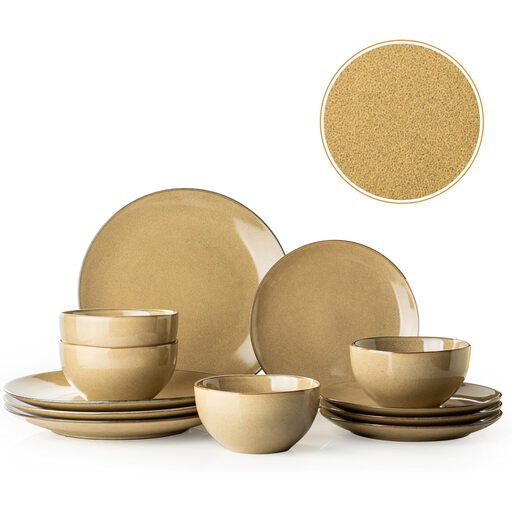
Why it suits this need : This set includes four dinner plates, four side plates and four bowls. It’s everything you need to set the table for four in one purchase.
The detailed set contents save you from buying each size separately. The product listing also specifies that the items are dishwasher and microwave safe.
A coordinated 12-piece ceramic set, stated to be free from lead and cadmium, and dishwasher safe.
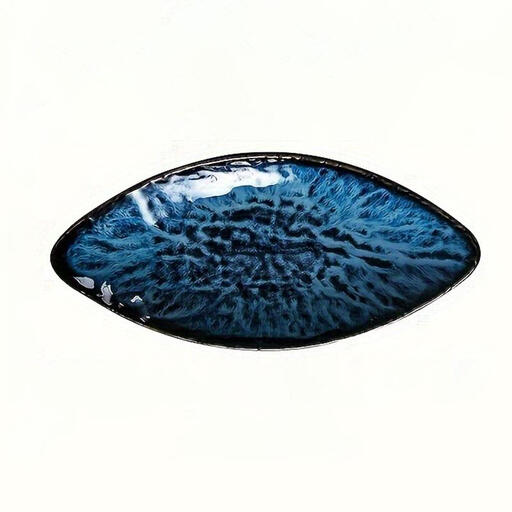
Why it suits this need : Its Blue Willow Leaf pattern and 25,4 cm size make it an easy fit for a smart table setting, whether you’re hosting dinner, putting on a buffet or serving sushi.
The product listing details the material, finish and approved uses, rather than relying on decorative looks alone.
Glazed ceramic, a versatile size for sushi, desserts or salads, and stated compatibility with the microwave, oven and dishwasher.
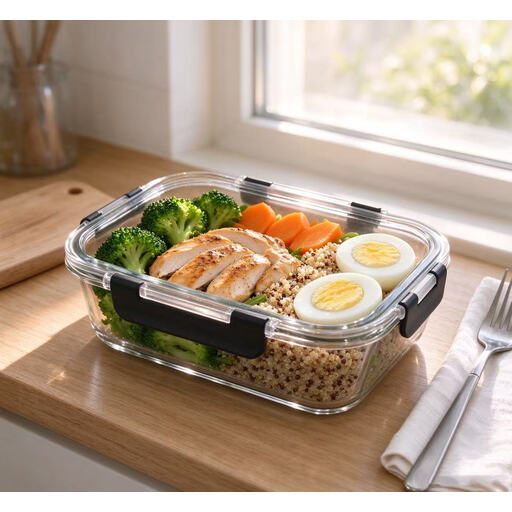
Why it suits this need : The set includes five 1 040 ml containers and five 370 ml containers, making meal prep, storing leftovers and taking lunch to work easier.
Having two sizes reduces the risk of buying containers that aren’t right for your needs. The snap-lock lids are designed to keep the containers closed, but check their condition before carrying them.
Durable borosilicate glass, a 10-piece set and capacities suited to everything from main meals to side dishes.
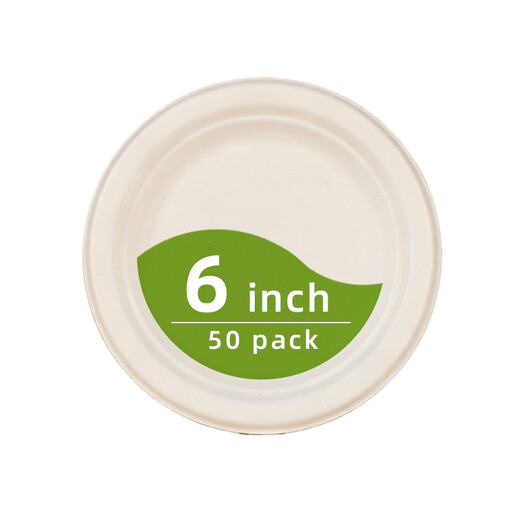
Why it suits this need : This pack of 50 15 cm plates is suitable for desserts, barbecues, picnics and events where reusable tableware wouldn’t be practical.
The clearly stated diameter means you won’t mistake these for dinner plates. They’re best kept for light portions and occasional use.
A pack of 50, a material stated to be biodegradable and made from sugarcane, and a size suited to desserts and snacks.
For a coordinated table setting, a wooden serving tray makes it easier to carry drinks and small plates. Bamboo chopsticks are ideal for Asian meals, while reusable glass straws should only be used by adults who can handle them carefully. The Huacan set includes five straight and curved borosilicate glass straws.
For drinks, the YumiPLUS 380 ml mug is sold in a pack of two and is suitable for everyday use. For trips out, the 900 ml Maxcook tumbler has a 304 stainless steel construction and removable parts. However, it must be washed by hand.
We’ve put together a comprehensive selection, updated in real time, of products that meet these demanding criteria as well as European safety standards.
Ceramic, stoneware and porcelain are all well suited to everyday meals, provided you follow the manufacturer’s instructions. Check their resistance to knocks, dimensions and compatibility with your appliances. For carrying food, borosilicate glass is a practical option, but it needs to be protected from knocks.
If they’re designed to come apart, remove the lids and seals, then wash each part with a mild detergent. Let everything dry completely before reassembling. Check the seals and closures regularly. A cracked container or warped lid should no longer be used to carry food.
These products are generally designed for occasional use. How well they hold up depends on what they contain, the temperature and how long they’re being used for. For regular meals, reusable tableware is a better choice. Disposable options can, however, meet a specific practical need at a party or picnic.