
Livraison le jour même ou le lendemain

Qualité garantie

Débloquez vos offres de bienvenue: Livraison GRATUITE | Jusqu'à -80 % | 30 jours d'essai gratuits à JoyPlus
Téléchargez l'application
Looking for crispy seaweed snacks to enjoy instead of crisps now and then, make sushi or add a touch of umami to your meals? You’ll find everything from plain nori sheets to seasoned roasted seaweed, wasabi-flavoured varieties and spicy Korean snacks with bolder sauces. There’s plenty of choice, but it can make deciding what to buy a little tricky.
Before you place an order, watch out for these three common pitfalls:
Nori is dried seaweed, often roasted, and is widely used in Japanese cuisine. Whole sheets are suitable for sushi, temaki or seaweed for onigiri. Cut into pieces, they can be used as a topping for rice and ramen, added to a salad or served with a bowl of noodles.
If you’re eating it as a snack, look for roasted, seasoned nori instead. It has a fine, light and crisp texture. Tempura seaweed products are coated in a flour- or starch-based mixture. They make for a thicker bite, more like a crisp, but they’re no substitute for a plain nori sheet.
Read the full ingredients list, especially if you’re looking for a vegetarian snack or need to avoid certain ingredients. Seasonings may contain soya sauce, wheat, sesame, mustard, milk or various additives.
Some bulgogi-flavoured seaweed, for example, combines soya sauce, sugar and flavourings for a sweet, smoky taste. Barbecue-flavoured or Japanese-style recipes can be saltier. Wasabi seaweed sometimes contains mostly horseradish, mustard or a flavouring blend, so checking the label is the only way to find out how much wasabi the recipe actually contains.
A ‘vegetarian’ label doesn’t mean you can skip checking for allergens. If you’re sensitive to iodine, it’s also best to be cautious about eating seaweed regularly: iodine levels vary depending on the species and product. In all cases, follow the information on the packaging.
A small 3 to 5 g individual pack is easy to pop into your bag for a break at work, a journey or a packed lunch. It also limits the time the seaweed is exposed to air. If you regularly make maki or onigiri, a pack of 10 to 100 sheets will usually be more practical.
Store seaweed in a cool, dry place away from light. Once opened, seal the pack carefully or put the sheets in an airtight container. Avoid storing them in the fridge unless the manufacturer says otherwise: condensation can make nori go soft. Finally, check the best-before date and whether there’s a desiccant sachet inside. Needless to say, this must not be eaten.
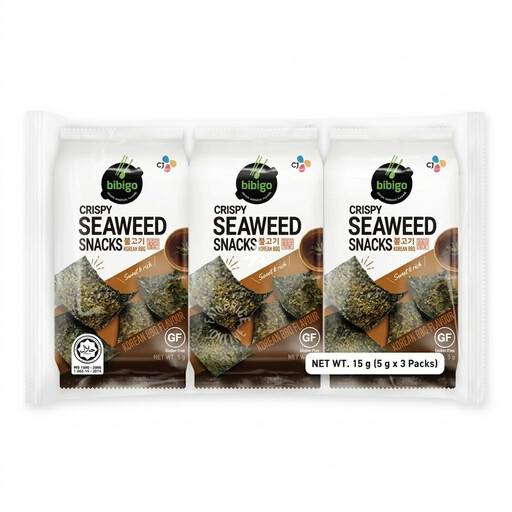
Why it suits this type of shopper: Three individual portions let you try a Korean seaweed snack without committing to a large pack. The bulgogi flavour has a sweet, smoky note that’s quite different from plain nori.
The three 5 g portions are individually wrapped, so you won’t have a large pack sitting open for weeks.
Three individual packs of roasted Korean seaweed, with allergens including soya and wheat clearly indicated.
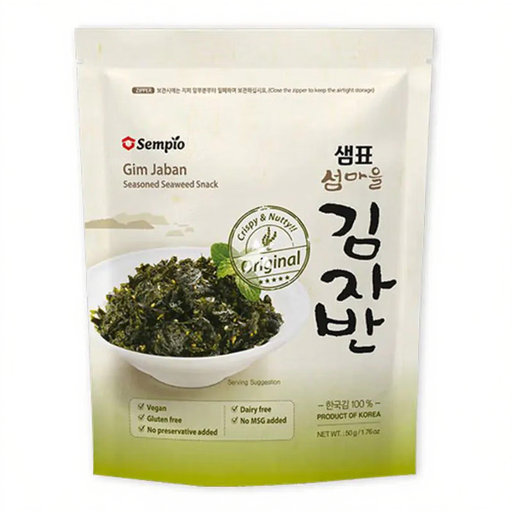
Why it suits this type of shopper: At 50 g, this pack is a good choice if you want Korean seaweed for different occasions: enjoy it as a snack, add it to kimbap or use it to make rice balls.
The product details list the seasoning ingredients, including oils, sugar, salt and sesame. That way, you can make an informed choice rather than relying on the flavour description alone.
A 50 g pack, a crispy texture and roasted sesame seeds, according to the product description.
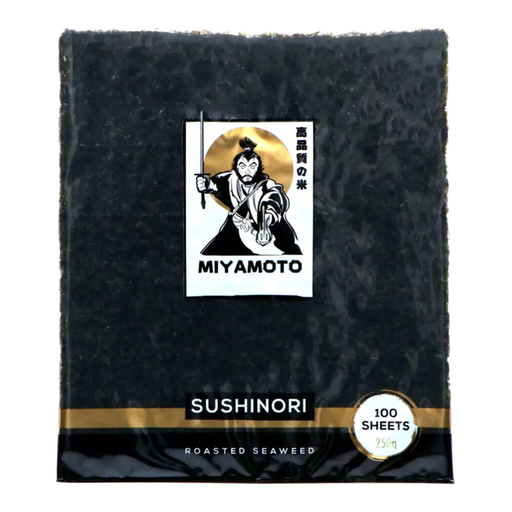
Why it suits this type of shopper: With 100 sheets measuring 19 × 21 cm, this pack is made for regular sushi, onigiri and hand-roll preparation, as well as ramen toppings.
The number and size of the sheets are clearly stated, so you can work out how much you’ll need before buying instead of relying on the photo alone.
100% dried and roasted nori, a large pack and sheets you can cut up for soups or rice.
We’ve put together a complete selection of products that meet these high standards, updated in real time and compliant with European safety regulations.
Not always. Whole sheets of plain roasted nori are made for maki, temaki and onigiri. Seasoned seaweed crisps and tempura-style varieties are better enjoyed on their own or crumbled over a dish.
Reseal the pack as soon as possible or place the sheets in an airtight container, away from moisture and light. Individual portions are easier to manage if you only eat seaweed occasionally. Always check the manufacturer’s storage advice.
The heat depends on how much wasabi powder, mustard or flavouring is used. If you’re ordering for the first time, check the ingredients list and start with a small pack. Products described as spicy or served with a sauce may also contain soya, sesame or other allergens.