
Livraison le jour même ou le lendemain

Qualité garantie

Débloquez vos offres de bienvenue: Livraison GRATUITE | Jusqu'à -80 % | 30 jours d'essai gratuits à JoyPlus
Téléchargez l'application
Choosing an assortment of crispy savoury biscuits may seem straightforward. Yet between crackers that crumble too easily, biscuits that are far too salty and packs containing fewer portions than expected, disappointment can quickly spoil your drinks and nibbles. Whether you’re hosting a family aperitif, taking a break at work or serving them with soup, a few criteria can help you compare products in practical terms.
A very thin biscuit may be wonderfully crisp from the first bite, yet break at the slightest knock during delivery or once poured into a bowl. Check the net weight, the type of packaging and, where the information is available, whether individual portions are included. Small 35 g sachets, for example, make it easier to control quantities and limit exposure to air after opening.
‘Cheese’, ‘garlic’ or ‘vegetables’ does not necessarily mean that the ingredient is present in any significant quantity. The ingredients list remains the best indicator. It helps you distinguish between a simple flavouring and a recipe that genuinely contains cheese, garlic powder, seeds or dehydrated vegetables.
Cheese crackers, garlic crackers and Chinese savoury biscuits can have very different salt levels. For comparison, the available product information shows 1.4 g of salt per 100 g for several Sexy Tea crispy bread cubes, compared with 2.1 g for the butter and garlic version, 2 g for Maretti bruschette chips and 3 g for Royal Orient rice crackers.
Remember to check the allergens too, which are generally highlighted in the ingredients list. Depending on the recipe, these may include wheat, gluten, soya, milk, barley, sesame, mustard or sulphites.
For drinks and nibbles shared by several people, a 150 to 250 g pack will generally be more suitable than an individual sachet. Formats of 100 to 150 g are ideal for occasional snacking, while packs of four 35 g sachets are convenient for eating on the go or enjoying over several days.
A large pack is only worthwhile if you can reseal it properly. Biscuits quickly lose their texture when exposed to moisture. After opening, transfer them to an airtight container or reseal the pack carefully.
Products described as oven-baked may have a texture closer to crispbread or bruschetta than to fried crisps. Soda crackers are often lighter and more crumbly, while crispy bread cubes offer a denser bite.
When serving them with soup, salad or a dip, choose a sufficiently firm texture. For eating on their own, thinner or filled biscuits provide greater contrast.
Compare the values per 100 g rather than the figures given for the entire pack. The differences can be significant:
This information helps you compare recipes, but it is not medical advice. If you eat them regularly, the amount actually served matters just as much as the values per 100 g.
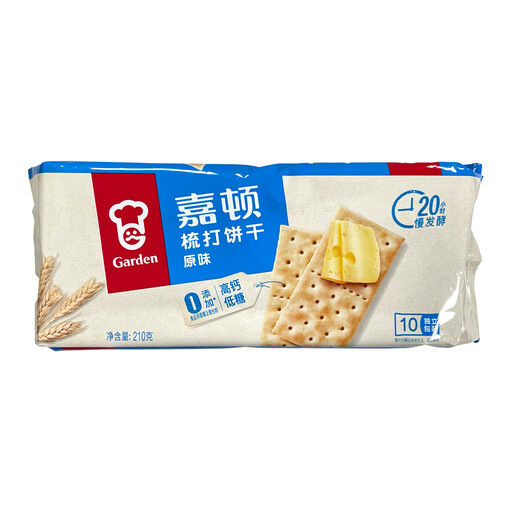
Why this choice suits this profile: At 210 g, this pack is a great starting point for exploring savoury biscuits. Its lightly salted flavour pairs easily with cheese, dips or soup.
The product information clearly states the net weight, nutritional values and allergens. This gives you practical information for comparing products, rather than relying solely on the appearance of the pack.
210 g, 440 kcal and 1.7 g of salt per 100 g; a recipe based on wheat flour and soya flour, ready to enjoy.
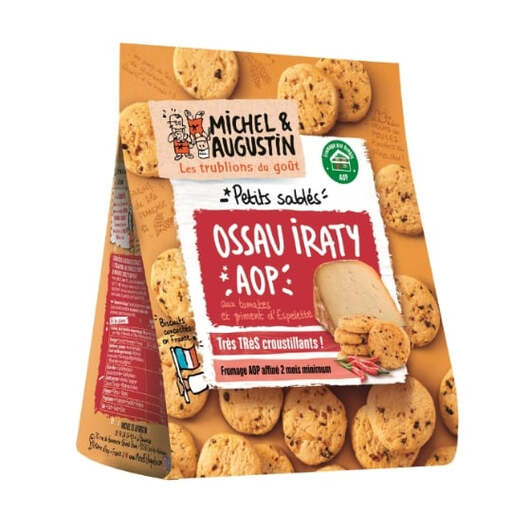
Why this choice suits this profile: This French recipe combines Ossau-Iraty PDO cheese, tomato and Espelette pepper. A more refined option to serve alongside an impressive cheeseboard.
The ingredients list details the featured ingredients, including 10% PDO cheese and 4% dehydrated tomato, with a salt content of 1.4%.
100 g, made in France, 29.6% butter, PDO cheese and a texture described as crisp before becoming melt-in-the-mouth.
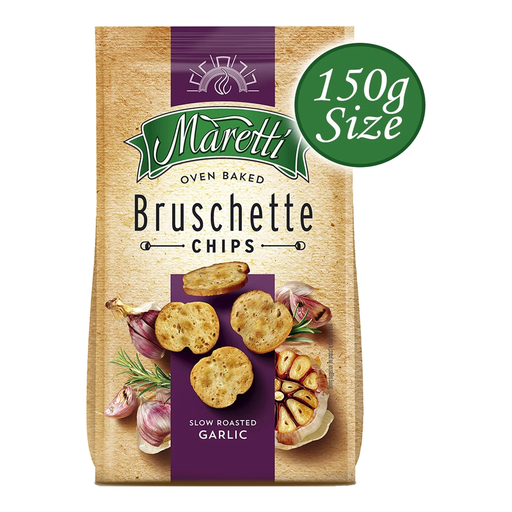
Why this choice suits this profile: With its 150 g format and roasted garlic flavour, this product works equally well for sharing at drinks and nibbles or serving with soup or salad. No preparation is required.
The product information specifies that it is oven-baked, made with sunflower oil and contains no palm oil. It also lists milk and gluten as allergens.
150 g, 453 kcal and 2 g of salt per 100 g; ready to eat and ideal with fresh tomatoes, olive oil or soup.
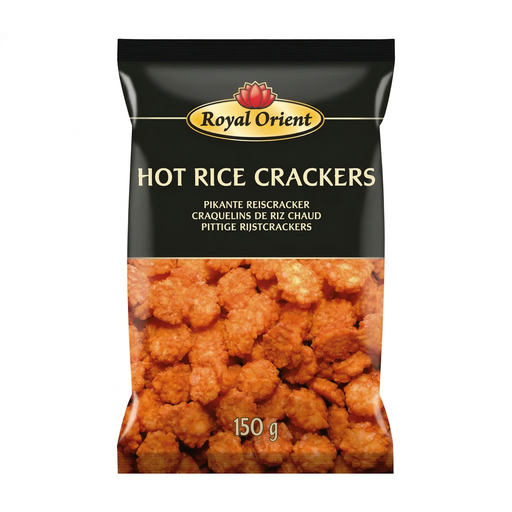
Why this choice suits this profile: These rice crackers combine soy sauce with a spicy seasoning. A great way to try something different from more traditional savoury biscuits.
The presence of soya and wheat is clearly stated, as is the salt content of 3 g per 100 g. This allows you to make an informed choice.
150 g, a crisp rice-based texture and a punchy savoury flavour. Reseal the pack carefully to keep the crackers crisp.
We’ve brought together a complete, real-time selection of products that meet these criteria, in accordance with European safety regulations.
Place them in an airtight container away from heat, direct light and moisture. Products such as bruschette and crispy bread cubes will retain their texture better if eaten within a few days of opening.
A 150 to 250 g pack is suitable for several guests, particularly when served with cheese, spreads or crudités. To avoid waste when people eat them at intervals, a pack of individual sachets may be more practical.
It depends on the recipe. Royal Orient rice crackers are described as spicy, while cheese bread cubes and plain varieties offer milder flavours. Before ordering, check for mentions of ‘chilli’, ‘spices’ or ‘spicy seasoning’ in the description and ingredients list.