
Livraison le jour même ou le lendemain

Qualité garantie

Débloquez vos offres de bienvenue: Livraison GRATUITE | Jusqu'à -80 % | 30 jours d'essai gratuits à JoyPlus
Téléchargez l'application
Rice crackers have a lot going for them: a light texture, a wide range of seasonings, and a handy format that slips easily into a bag. Whether for aperitifs, with a cold drink, or to tide you over between meals, they come in many different recipes. Puffed rice cakes, Asian-style savoury biscuits, or cereal mixes – it’s worth checking the label before you fill your basket.
Just because the word “rice” appears on the packaging doesn’t necessarily mean it’s the main ingredient. Some recipes also contain millet, maize, wheat, soya, or starch. To know exactly what you’re buying, check the ingredients list, listed in descending order, as well as the quantitative declaration when a particular ingredient is highlighted.
ULTRAPOP Barbecue crackers, for example, contain 78% whole-grain rice. Meanwhile, several Wo Long recipes contain at least 60% or 65% millet, depending on the variant.
The “not fried” claim tells you about the manufacturing method, not the product’s nutritional balance. You still need to check the fat content, salt level, and serving size. By way of comparison, ULTRAPOP Barbecue crackers have 440 kcal and 14 g of fat per 100 g, whereas WANT WANT Spicy crackers have 502 kcal and 28 g of fat per 100 g.
These figures are not a substitute for medical advice. They simply allow you to compare products based on your own habits.
Depending on the recipe, Asian savoury biscuits may contain soya, sesame, wheat, milk, peanuts, or seafood. Even a product labelled as gluten-free may indicate the possible presence of traces. If you need to avoid a particular allergen, always check the information on the packet.
For a fine, light texture, go for clearly detailed compositions: rice, whole-grain rice, millet, or a cereal blend. Non-fried rice crackers are typically baked or puffed, but the exact process varies from brand to brand. This claim describes a manufacturing method; it doesn’t guarantee nutritional value.
Wo Long Sichuan Pepper crackers state they are baked at a low temperature and contain at least 60% millet, along with sesame and Sichuan pepper. ULTRAPOP, on the other hand, focus on a whole-grain rice base and a non-fried production method.
A highly flavoured taste can hide several ingredients: salt, sugar, spices, soya sauce, flavour enhancers, or aromas. To compare products, look at the “salt” line per 100 g. In this selection, the differences are far from trivial: 0.6 g for Wo Long Five-Spice crackers, 1.1 g for ULTRAPOP Barbecue, and 2 g for Misako Samurai.
With tea, beer, or a soft drink, a five-spice or simply salted recipe often pairs more easily. If you enjoy flavours that make a statement, the chilli or Sichuan pepper versions are a great choice.
A 60 g bag is ideal for a solo snack or a small aperitif. Formats of 200 to 300 g are more practical for sharing, provided you seal them properly to keep them crispy. Several products recommend storing the crackers in a dry place, then carefully closing the bag or transferring them to an airtight container.
Also remember to check the allergens, net weight, country of origin, and best-before date on the packaging you receive.
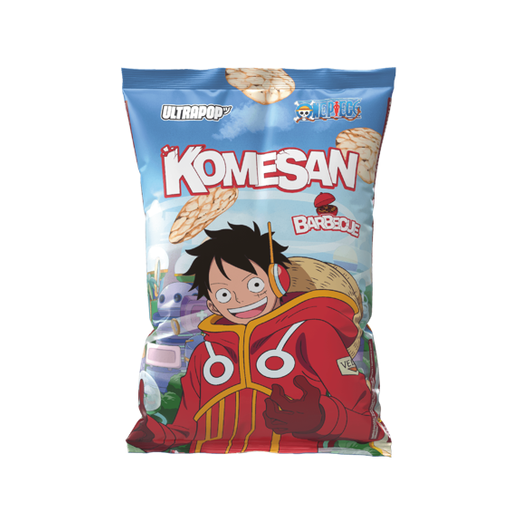
Why this choice suits this profile: With its small format, this bag lets you discover rice crackers without building up a stock. The barbecue flavour remains familiar for fans of classic savoury biscuits.
The composition states 78% whole-grain rice and a non-fried manufacturing method. The nutritional table makes it easy to monitor the serving size and salt content.
60 g, 78% whole-grain rice, 440 kcal and 1.1 g salt per 100 g. Made in France. Possible traces of soya, milk, sesame and gluten.
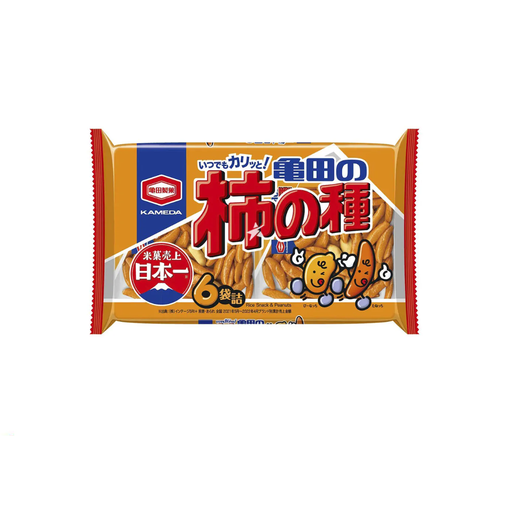
Why this choice suits this profile: This Japanese-inspired recipe combines soya sauce, seaweed, seafood extract and peanuts for an aperitif rich in umami notes.
The product page details the ingredients and allergens, allowing you to quickly check the recipe before purchasing.
Very crispy texture, peanuts stated on each piece, and a 180 g format ideal for sharing. Contains soya, wheat, peanuts, egg, chicken and pork.
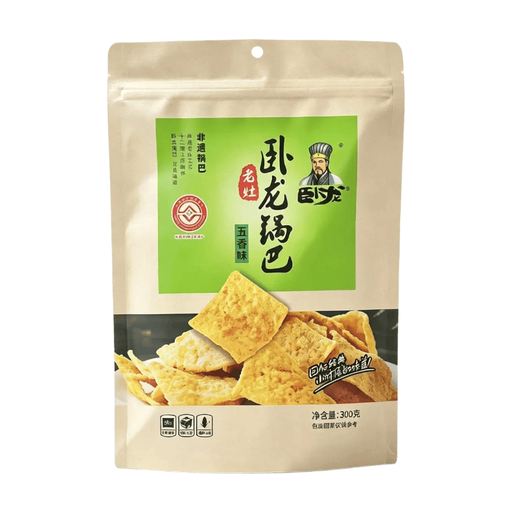
Why this choice suits this profile: Its 300 g format is ideal for parties with friends, repeated snacking, and households that regularly enjoy cereal crackers.
The stated millet content is at least 65%, and the product is presented as non-fried. The salt content is listed as 0.6 g per 100 g.
300 g, five-spice flavour, 479 kcal and 16.6 g fat per 100 g. Allergens not stated; possible traces of wheat, soya and sesame.
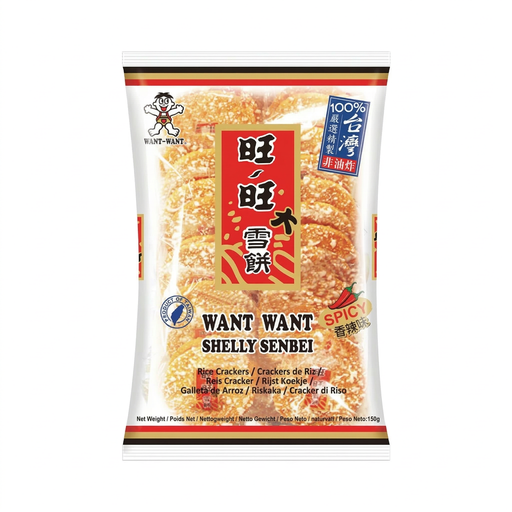
Why this choice suits this profile: Its chilli and spice seasoning is aimed at those looking for a savoury snack with real character, perfect for enjoying with a drink or as an aperitif.
The product page mentions the presence of chilli, spices and a flavour enhancer. The table shows 1.8 g of salt per 100 g, a figure to consider alongside your serving size.
150 g format, light texture and bold seasoning. Contains rice, palm oil, soya and spices. Product of China.
We’ve listed the products that meet these demanding selection criteria and European safety regulations, in a complete range updated in real time.
No. Some are made only with rice or millet, while others contain wheat or may have traces of gluten. Check the ingredients list and allergen information. Even when a recipe is labelled gluten-free, always verify the details on the packet you receive.
Keep the bag in a cool, dry place away from light. Once opened, seal it carefully or transfer the contents to an airtight container. For smaller formats, it’s best to eat them quickly to prevent them from going soft.
Choose the format based on the number of guests and whether other savoury biscuits are being served. A 60 g bag is suitable for individual snacking or as a supplement, while a 150 to 300 g packet is better for sharing. You can then adjust portions according to your habits and the nutritional information on the label.