
Livraison le jour même ou le lendemain

Qualité garantie

Débloquez vos offres de bienvenue: Livraison GRATUITE | Jusqu'à -80 % | 30 jours d'essai gratuits à JoyPlus
Téléchargez l'application
Crispy fried onions add instant texture to salads, soups, burgers and curries. But products sold under this name aren’t all intended for the same purpose. Some are designed as toppings, others as savoury snacks, while frozen versions need to be cooked before eating.
Before buying ready-to-use fried onions, there are three common pitfalls to watch out for.
Pack size matters too. A 90–100 g bag is suitable for occasional use, while packs from 400 g to 1 kg are better suited to families, fans of Asian cooking or anyone who regularly uses a crispy onion topping.
For a salad, soup or hot dog, choose a topping that’s ready to sprinkle. Products such as Kühne Fried Onion 100 g and TOP TASTE Fried Onion 1 kg combine onion, oil, wheat flour and salt. They go well with burgers, casseroles and salads, with no extra preparation needed.
For an appetiser, seasoned cereal rings are a better choice. Nongshim Onion Ring 90 g and Oishi Onion Rings 40 g are ready-to-eat snacks with a puffed texture and an onion flavour that comes in part from onion powder.
Frozen onion patties and breaded products are a different category. They need to be cooked in a frying pan, oven or air fryer, following the manufacturer’s instructions.
Compare the proportion of onion, whether flour is included and the type of seasoning. Kühne states that its product contains 76% onions, while Asian Boy Fried Red Onions – Bawang Goreng lists 95% red onion. This helps you distinguish a topping made mainly from onion from a flour- and starch-based snack.
Take particular care with products containing wheat. TOP TASTE, Kühne, Royal Orient and Asian Boy state that their products contain cereals containing gluten. Nongshim and Oishi products also contain wheat. Always check the packaging you receive, as labelling may change.
Fried onions in jars or bags should generally be stored in a cool, dry place away from light. After opening, seal the container carefully to stop them going soft.
As a guide, the information provided for TOP TASTE and Kühne fried onions shows around 590 kcal and 44 g of fat per 100 g. These figures apply to the topping as a whole, not the amount you’ll actually use on your plate. Onion snacks can also be high in carbohydrates and salt, so check the nutrition table to help you choose suitable portions.
Frozen products need different handling. McCain Pickers Crispy Onion 350 g must be kept in the freezer and shouldn’t be refrozen after defrosting. Sanquan and Ashoka patties should be cooked from frozen, following the instructions on the pack.
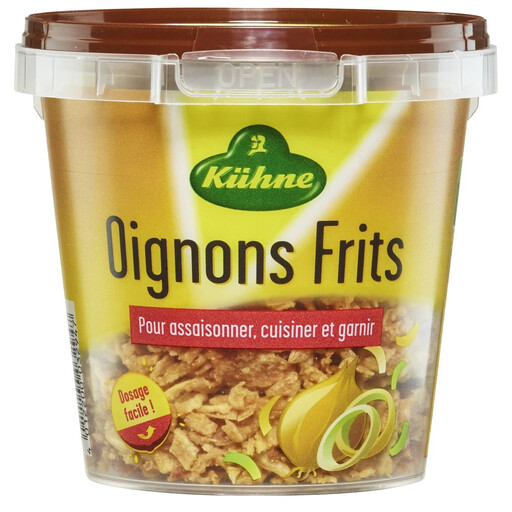
Why this is a good match for this shopper: The 100 g pack is a handy way to try crispy onions without ending up with too much in the cupboard. It works well with salads, hot dogs, burgers and meat dishes.
The smaller pack reduces the risk of the product losing its texture before you finish it. The label states that it contains 76% onions and highlights the presence of gluten.
Ready to use and, according to the information provided, suitable for vegetarian and vegan diets. Store in a dry place before opening.
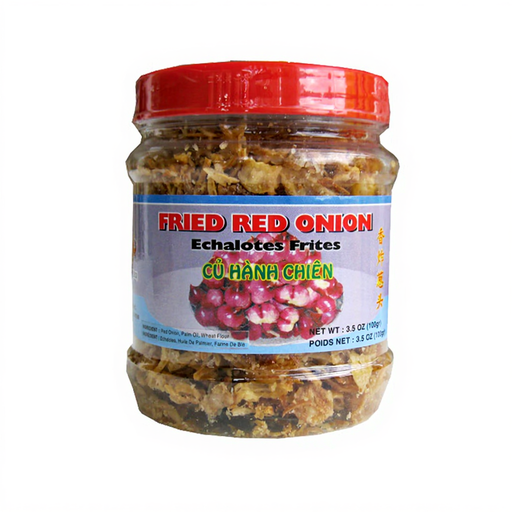
Why this is a good match for this shopper: This red onion topping is particularly good with noodles, soups, rice and South-East Asian recipes.
The stated ingredients clearly distinguish the 95% red onion from the palm oil and wheat flour.
Well suited to Asian dishes, in a 100 g pack and ready to use. Store in a dry place.
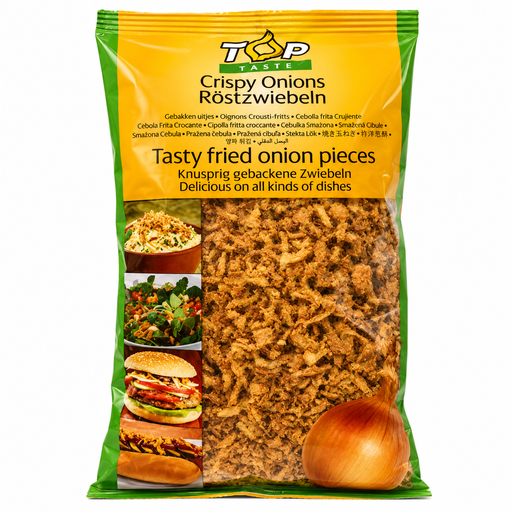
Why this is a good match for this shopper: The 1 kg pack is ideal for larger families, frequent cooking and anyone who regularly makes burgers, soups or salads.
The larger pack means fewer repeat purchases, but you’ll need to seal the bag carefully and store it somewhere dry to keep the onions crispy.
Contains 75% onions, comes in a 1 kg pack and is ready to use. Detailed nutritional information is available on the product page.
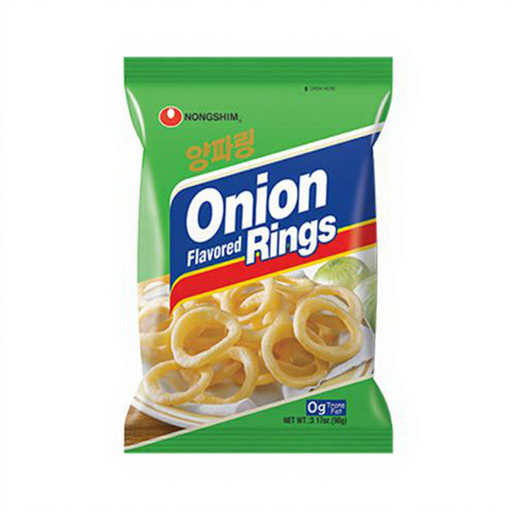
Why this is a good match for this shopper: Made with wheat flour and maize starch, these rings are ready to eat as a savoury snack or appetiser.
The product information identifies it as a 90 g snack containing 4.8% onion powder, so it’s easy to tell apart from a topping made mainly from onion.
Ready to eat and easy to share, with a crunchy texture and detailed information about its gluten content.
We’ve put together a complete, regularly updated list of products that meet these strict selection criteria and European safety requirements.
Store them in a cool, dry place away from light. Seal the bag tightly or transfer the contents to a suitable container. Check the date on the packaging and discard the product if its smell, appearance or texture seems unusual.
Fried onions are generally used as a topping on a dish. Onion rings or breaded rings are often products that need to be cooked, while puffed rings such as Nongshim or Oishi are ready-to-eat snacks. Check the cooking instructions to make sure you use the product correctly.
Yes. Add them just before serving to help keep them crunchy. They also go well with burgers, hot dogs, curries, noodles and rice dishes. If you’d prefer a softer flavour, caramelised onions or onion chutney are non-crunchy alternatives.