
Livraison le jour même ou le lendemain

Qualité garantie

Débloquez vos offres de bienvenue: Livraison GRATUITE | Jusqu'à -80 % | 30 jours d'essai gratuits à JoyPlus
Téléchargez l'application
Crispy Asian snacks are loved for their light, airy textures, umami-rich seasonings and often unique shapes. But a pretty prawn illustration or a simple "Japanese flavour" label isn't enough to tell you whether the product will really suit your taste and habits.
When buying Asian crackers, Japanese biscuits or rice crackers, three common pitfalls keep cropping up:
The crunch depends on both the base ingredient and the manufacturing process. Rice crackers and puffed crackers are generally light and crumbly, while some flour-based biscuits offer a denser bite.
Labels such as "baked" and "fried" give you an idea of the product's profile, but aren't enough to judge its quality. TIPIAK seed croutons, for example, are baked and contain linseed, quinoa, poppy seed and chia. They can be eaten on their own, but also work well in soups or salads.
In cooking, Japanese panko and panko breadcrumbs stand out for their coarser, airier texture compared to standard breadcrumbs. They're ideal for recipes that need a really crispy coating after cooking: breaded chicken, vegetables, fish or tonkatsu.
Always check the ingredients list before buying, even if you know the brand. Four Seas prawn crackers, for instance, state 10% prawn and flag the presence of crustaceans, with possible traces of soya, fish, molluscs and gluten.
Fish crackers can also contain soya or cereals. Oishi fish crackers with seaweed flavour come in an 80 g bag, but detailed allergen information should be checked directly on the packaging before consumption.
For sweet Japanese biscuits, milk, egg, soya and gluten are common. Yamazaki's Picola strawberry and custard cream rolled biscuits are two examples. The product page lists these allergens.
A small 35–80 g pack is ideal for a break at your desk, in a student's bag or during a journey. Formats of 150–300 g are better for sharing, provided you can reseal them properly.
After opening, store crispy biscuits and crackers in an airtight container in a cool, dry place away from heat and light. Moisture is the main enemy of their texture. For cooking products like panko, careful sealing is just as important.
The nutritional table lets you compare different products on a standard 100 g basis. Look at energy, fat, sugars and salt, then scale those figures to the amount you actually eat.
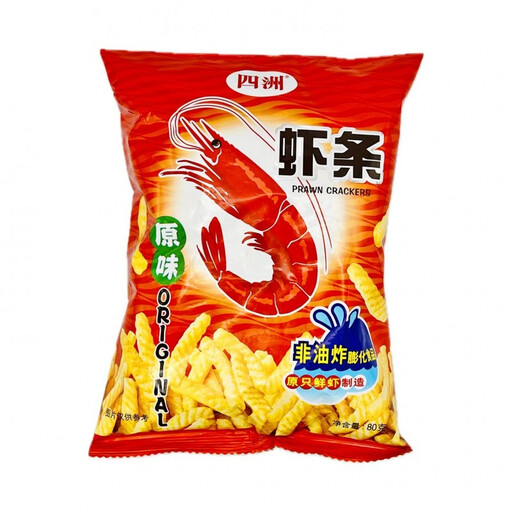
Why this suits this profile: Its 80 g bag lets you try prawn crackers without committing to a large pack straight away. Their light, puffed texture and savoury taste are great on their own or with a dip.
The product page clearly states a 10% prawn content and lists the associated allergens. This makes it easier to check whether the product meets your needs.
80 g format, ready to eat and umami prawn profile. The stated salt content is 2.5 g per 100 g.
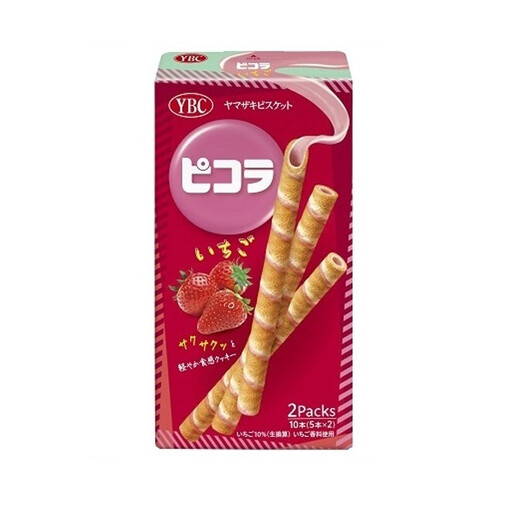
Why this suits this profile: This Japanese biscuit combines a thin wafer with a strawberry filling. Its 49 g size is perfect for a break with coffee, tea or hot chocolate.
The product page details the cream composition and the allergens present. The small pack also stops you from leaving a large bag open for weeks.
Crispy texture, creamy strawberry centre and handy size. The product page states 27.2 g of sugars per 100 g.
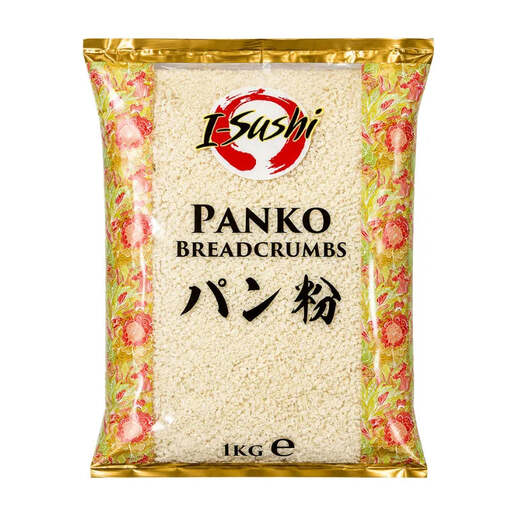
Why this suits this profile: The 1 kg bag is aimed at people who regularly cook breaded dishes, chicken katsu, fish or crispy vegetables.
The quantity is suited to frequent use and the advertised texture is light, coarse and airy. An airtight seal is still essential after each use.
1 kg format, stated Japanese origin and salt content of 0.8 g per 100 g. Requires cooking before consumption.
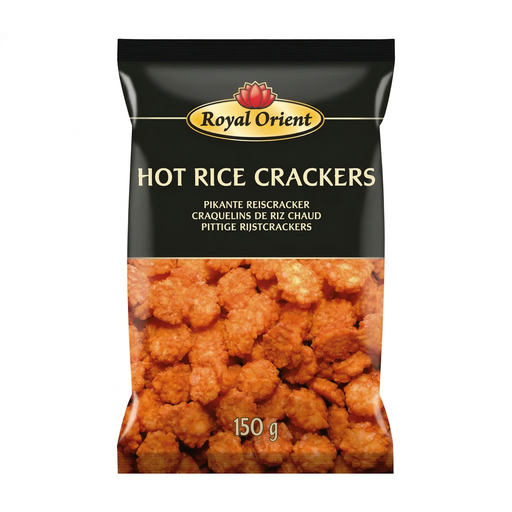
Why this suits this profile: These rice crackers with soya sauce and a spicy seasoning are perfect for serving with drinks or alongside other Chinese and Korean snacks.
The spicy profile and the presence of soya and wheat are stated in the ingredients. So you know what to expect in terms of flavour and allergens before serving them.
150 g bag, rice base and spicy soya seasoning. The stated salt content is 3 g per 100 g.
To vary the textures, go for prawn crackers, seasoned rice crackers and savoury biscuits. Check the salt content, allergens and pack size. An assortment of Asian snacks lets you enjoy a range of flavours without buying several large bags.
Place them in an airtight container at room temperature, in a dry place away from heat. Avoid the fridge: its moisture can soften the biscuits. Also respect the date on the packaging and eat the product quickly once opened.
Yes. Panko can replace traditional breadcrumbs for coating fish, meat, prawns or vegetables. Its thicker flakes give a different texture, generally lighter and crispier. Follow the instructions on the packaging and cook any preparations that are not ready to eat thoroughly.