
Livraison le jour même ou le lendemain

Qualité garantie

Débloquez vos offres de bienvenue: Livraison GRATUITE | Jusqu'à -80 % | 30 jours d'essai gratuits à JoyPlus
Téléchargez l'application
Flavoured peanuts for sharing are a great way to mix things up from the usual savoury snacks, with flavours such as barbecue, wasabi, chilli, prawn and coconut. But the packaging doesn’t always tell the whole story. A flavour described as intense may turn out to be quite subtle, while a large bag may contain a significant amount of coating, flour or seasoning.
So, before buying coated peanuts or Asian snacks, watch out for these three common pitfalls.
Coated recipes often contain wheat flour, starch, sugar and oil as well as peanuts. The proportions can vary considerably from one product to another. For example, some Koh-Kae recipes state that they contain 60 % peanuts, while Huang Fei Hong wasabi peanuts contain 90 %.
Net weight is essential when comparing prices, but you should also check the ingredients list to see how much of the product is actually peanuts.
“Barbecue”, “spicy chicken” and “prawn” describe the general flavour profile. They don’t guarantee that the named ingredient is present in any significant quantity. A prawn flavour may come from a flavouring blend, while a chilli recipe might combine spices, sugar, soy sauce and flavour enhancers.
To make an informed choice, check the ingredients, allergens and nutritional information rather than relying on the pictures on the packet.
An 80 g bag is ideal for an individual snack or a small get-together. For sharing, a 180 to 230 g pack is usually more suitable. Once opened, the peanuts may lose some of their crunch if the bag isn’t sealed properly. Individual packs can help avoid this at meetings, picnics or when you want to enjoy them over a longer period.
Flavoured peanuts can be simply roasted or covered in a crunchy coating. Coated peanuts often contain wheat flour or starch, which affects both their texture and their composition.
“Prawn flavour” and “chicken flavour” usually refer to the seasoning. They don’t promise a high prawn or meat content.
In France, allergens must be clearly listed on the packaging. The products featured here may contain or mention:
If you have an allergy, check the packaging you receive, as ingredients and warnings may change. Qia Qia “Weird U” is made from crunchy broad beans and contains wheat, despite being positioned as a flavoured snack.
When comparing different spicy peanuts, check the nutritional information per 100 g. Products in this selection generally contain between 480 and 600 kcal, though fat, sugar and salt levels can vary considerably. Thai sweet chilli peanuts, for example, may have very different sugar and salt levels from a barbecue or wasabi recipe.
Store the bag in a cool, dry place away from direct sunlight. Once opened, seal it carefully and follow the storage instructions on the packaging. Remember to check the best-before date before buying or eating the product.
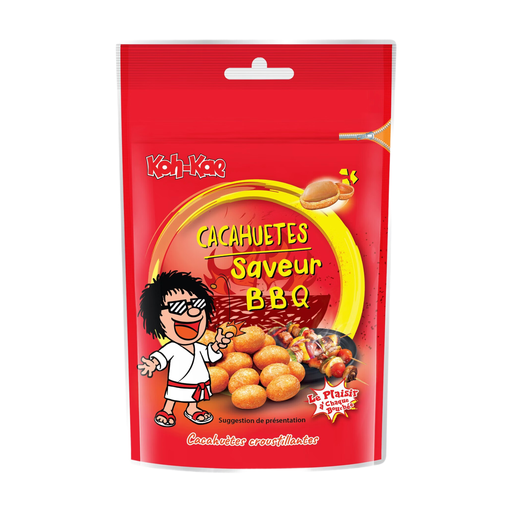
Why it suits this profile : At 80 g, this bag is a handy way to try barbecue peanuts without committing to a larger pack. It’s ideal for enjoying on your own or at a small get-together.
The net weight is clearly stated, and the ingredients list specifies that the product contains 60 % peanuts. It also lists wheat, soya and mustard.
Compact pack, barbecue seasoning, ready to eat and suitable for storage at room temperature.
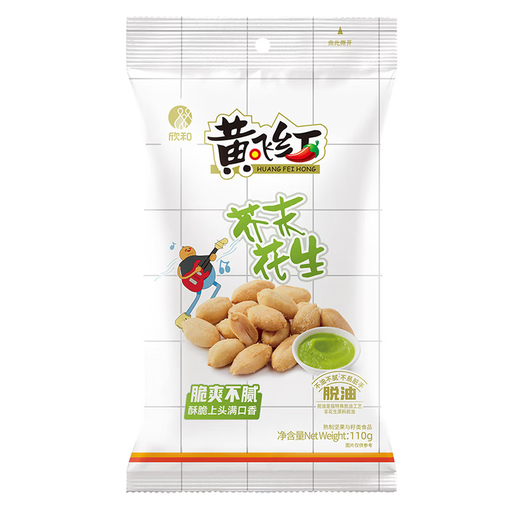
Why it suits this profile : This product is made with 90 % peanuts, finished with a bold wasabi flavour. It’s a great choice for fans of distinctive Asian flavours.
The high peanut content is stated in the product description. Soya, wheat, gluten and mustard are also listed as allergens.
90 % peanuts, 110 g pack, wasabi flavour and ready to eat.
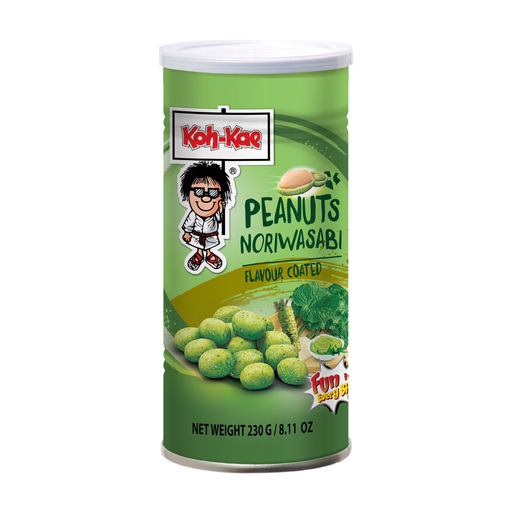
Why it suits this profile : At 230 g, this bag is ideal for regular get-togethers, parties and larger gatherings. The combination of nori and wasabi makes a refreshing change from barbecue or chilli peanuts.
The larger pack size is clearly stated, and the ingredients list details the nori, wasabi, wheat and peanuts, as well as any possible traces.
230 g to share, 50 % peanuts, crunchy coating and an original nori-wasabi flavour profile.
We’ve brought together a complete selection, updated in real time, of products that meet these exacting criteria and comply with European food safety regulations.
Spicy peanuts can combine several seasonings, such as pepper, garlic, paprika or wasabi. Chilli peanuts focus more on chilli, but their recipe may also include sugar, soy sauce or flavour enhancers. The ingredients list is still the best way to find out exactly what a product contains.
A 180 to 230 g bag is generally better for sharing. If you’d like to offer a choice of flavours, you could pair a barbecue pack with a wasabi pack and an 80 g bag of prawn-flavoured peanuts. Smaller packs can also help each product stay crunchy until it’s time to serve.
Always follow the instructions on the packaging first. In practice, keep the bag tightly sealed in a dry place and eat the contents soon after opening to help preserve their texture. Before eating, always check the smell, appearance and best-before date.