
Livraison le jour même ou le lendemain

Qualité garantie

Débloquez vos offres de bienvenue: Livraison GRATUITE | Jusqu'à -80 % | 30 jours d'essai gratuits à JoyPlus
Téléchargez l'application
A bag of crisps for aperitifs might seem easy to pick. Yet between classic recipes, ridged crisps, international flavours and family-size packs, the differences are very real. Price, origin, ingredients and texture all directly affect how much you enjoy them.
Before you fill your basket, here are the main pitfalls to avoid and the criteria to check when choosing potato crisps, savoury biscuits or salted snacks that suit your habits.
A label like "barbecue", "roast chicken" or "seafood" gives you an idea of the taste, but it doesn't guarantee that the ingredient in question is present in any meaningful amount. The recipe may rely on flavourings, seasoning powders or taste enhancers.
To know exactly what you're buying, check the ingredients list. Allergens must be clearly marked, especially soya, wheat, milk, crustaceans, molluscs and sesame.
A 295 g bag works well for a family, a barbecue or a night in with friends, but its contents risk losing their crunch once opened. On the other hand, several smaller bags are easier to carry and help you control portions better, even if the price per kilo might be less favourable.
Always compare the net weight, the number of portions and the storage conditions. Sizes from 70 to 90 g are better suited to individual snacking or trying out imported flavours.
Some imported crisps and flavoured snacks contain aspartame (E951) or mention a source of phenylalanine. People with phenylketonuria must avoid these products, in line with the warning on the packaging.
The product page is not a substitute for the label on the bag you receive. Check the ingredients, allergens and warnings before eating, especially with Asian-flavoured products.
Classic crisps are thin and light, while ridged crisps offer a more substantial bite and hold dips better. Stick-shaped crisps, corn rings and savoury biscuits add welcome variety to a sharing platter.
For a picnic or a film night, go for a resealable pack or several separate portions. For a sociable aperitif, pair an unusual flavour with a more familiar recipe.
The recipe can be very short, like salt crisps made mainly from potatoes, oil and salt. Flavoured varieties may contain sugar, maltodextrin, soya sauce, wheat, flavourings or taste enhancers such as E621, E635 or E627.
Read the full ingredients list, even if you've bought that brand before. The same range can offer an original flavour with no declared allergens and a barbecue variant that contains soya or gluten.
Nutritional values are usually given per 100 g. To compare two products, look at the energy content, fat, saturated fat and salt levels. When available, the information for a 30 g serving makes for a more practical comparison.
These figures aren't enough to judge a product's overall quality, but they do help you compare recipes objectively and choose a size that suits the occasion. For a table with several guests, sharing crisps in 120 to 295 g packs are especially handy. For trying imported crisps, smaller sizes reduce the risk of being stuck with a whole bag of a flavour you don't like.
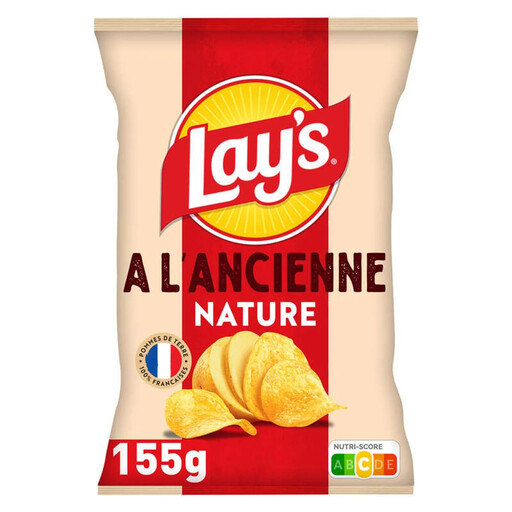
Why this choice suits this profile: Their classic salty taste fits right in at a family aperitif, a picnic or in front of a film.
The listed ingredients are short: potatoes, sunflower oil and salt. The 155 g size also stops you buying too much.
Original flavour, 155 g size and no declared allergens according to the product page provided.
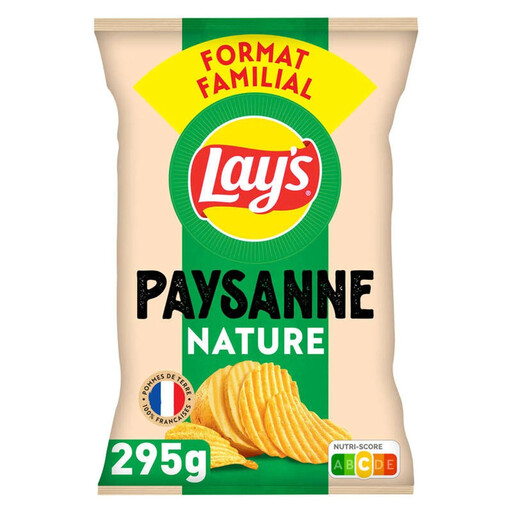
Why this choice suits this profile: Its large size and traditional profile are made for casual meals, barbecues and big gatherings.
The product page states the potatoes are French and provides nutritional values per 100 g as well as per 30 g serving.
295 g size, traditional recipe and mention of possible traces of soya and gluten.
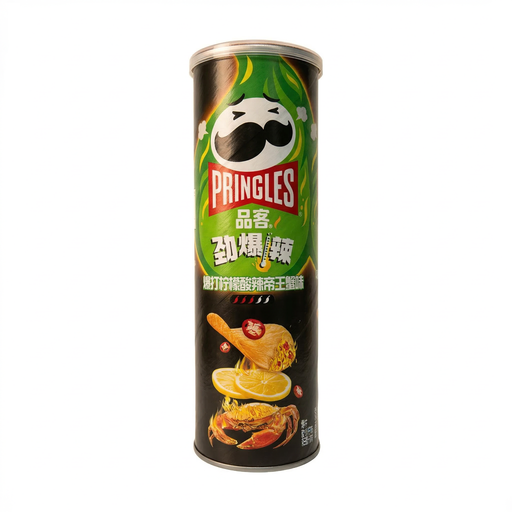
Why this choice suits this profile: This imported recipe is for those who want to step off the beaten track with a blend of lemon, chilli and crab.
The allergens are clearly listed: wheat, soya and crustaceans. This check stops you picking an international flavour without examining what's in it.
Resealable tube, 110 g size and packaging that's easy to carry, share or enjoy over several sittings.
We've put together a full selection, updated in real time, of products that meet these exacting criteria and European food safety rules.
Pair a French brand with an imported flavour. French crisps with salt or roast chicken will reassure guests who prefer familiar tastes, while barbecue, seafood or Asian-inspired recipes add a more original touch.
Potato crisps can also sit alongside Cheetos, Pringles, potato sticks or savoury biscuits. To create an interesting spread, play with textures by including a classic recipe, a ridged version and a salted corn snack.
After opening, seal the bag carefully or transfer the contents to an airtight container. Store products in a dry place away from heat and light, and always check the date on the packaging.
Sizes from 120 to 295 g are practical when several people are helping themselves. A barbecue, roast chicken or plain recipe can work depending on tastes. For eating outdoors, choose a sturdy pack and make sure it's properly sealed after each serving.
Read the ingredients list and the "allergens" section on the product page, then double-check the information on the packaging. Pay particular attention to wheat, gluten, soya, milk, crustaceans, molluscs and sesame. The ingredients can vary from one product to another, even within the same brand.
Products containing the sweetener E951 must carry a warning about the presence of phenylalanine. People with phenylketonuria must not consume them. Always check the label and safety information before buying.