People putting together a meal for one
A crispbread can make a base for a savoury or sweet topping. You’ll need to decide what to serve with it and check that its grains and allergens suit you.


To put together a meal for one with a topping, choose a crispbread whose ingredients and allergens suit you. If you simply want a biscuit that’s ready to eat, compare digestive biscuits by their ingredients and serving size instead. If you need to avoid gluten, look for an explicit statement on the specific product you’re buying: neither the word “digestive” nor the appearance of a crispbread tells you whether it’s suitable.
A crispbread can make a base for a savoury or sweet topping. You’ll need to decide what to serve with it and check that its grains and allergens suit you.
A plain biscuit is ready to eat, with no preparation needed. To choose a specific product, check its ingredients, nutritional values per 100 g, your intended portion size and the allergens.
Start by choosing a product with a statement that matches your dietary requirements. Check the ingredients and any may-contain warnings on the pack you buy, too: rye crispbreads contain gluten.
First decide whether you want a product to add a topping to, eat as it is, or choose to meet a dietary requirement. Then compare the labels of products that fit the way you plan to use them.
| What matters to you | What to check | Who it’s for |
|---|---|---|
| Putting together a meal | The type of grain, allergens and whether it’s suitable for adding a topping. | I want a crisp base to add a topping to, rather than a biscuit to eat on its own; I also need to plan the rest of the meal. Around 46% of consumers put this need to build a meal first. |
| Avoiding gluten or wheat | A statement that matches the dietary requirement, followed by the ingredients and any may-contain warnings on the pack. | If I need to avoid gluten or wheat, the exact recipe matters more than how the product looks. For around 27% of consumers, suitability for their dietary needs comes before other criteria. |
| Choosing a biscuit that’s ready to eat | The ingredients, sugars and saturated fatty acids per 100 g, as well as the intended portion size. | I’d rather have a biscuit to eat without a topping, while knowing what my portion contains. This convenience is the main priority for around 27% of consumers. |
The name doesn’t mean that a biscuit will have an effect on digestion. Nor does it tell you, on its own, how much sugar or fat it contains, or which allergens are present.
To compare biscuits, read the ingredients and nutritional information per 100 g, then work out how these figures apply to the portion you plan to eat.
Rye contains gluten. So a crispbread isn’t suitable for a gluten-free diet just because it looks like a rusk.
Look for the appropriate statement on the product you choose and check all the allergen information.
A crispbread that’s meant to have a topping is a base, not a complete meal in itself.
Before you buy, think about the topping and what else you’d like to serve with it as part of your meal for one.
The details below apply to the specific products mentioned, not every product from each brand.
Crispbreads made for adding a topping. The Wasa Complet product featured by Carrefour contains wholemeal rye flour, yeast and salt.
With Original, the brand offers a classic digestive biscuit that’s ready to eat, rather than a crispbread intended for adding a topping.
Some products, such as the gluten-free rusks featured by Auchan, meet a different need from a classic digestive biscuit.
This selection includes crispbreads to add a topping to and biscuits to eat as they are, for a meal for one. The biscuits featured here aren’t necessarily labelled “digestive”.
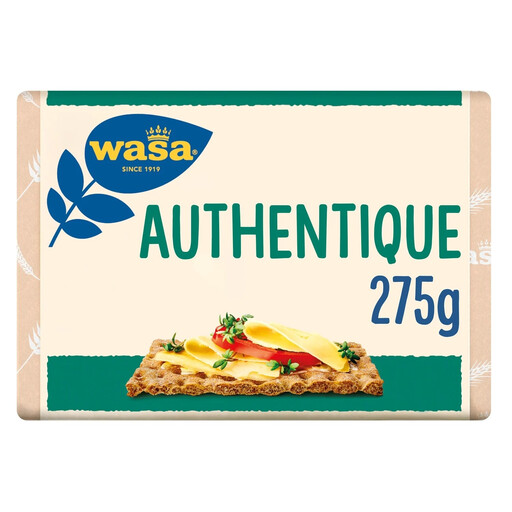 Image unavailable
Worth considering if you’re looking for a crisp base to add a topping to as part of your meal. This 275 g pack contains rye crispbreads; the Joybuy product listing states that they contain gluten and may contain traces of lupin, milk, mustard, sesame and soya. Add your chosen topping separately.
 Image unavailable
Another crisp option if you’d like to add a topping to your meal. The pack is listed as 425 g; check the grains and allergens if they’re important to your choice.
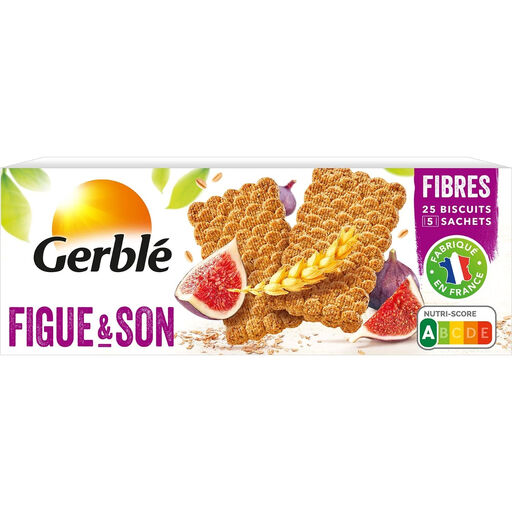 Image unavailable
Consider these if you’d rather have a biscuit to eat as it is than a crispbread to add a topping to. The pack is listed as 210 g; if fibre content matters to you, check the value per 100 g on the label.
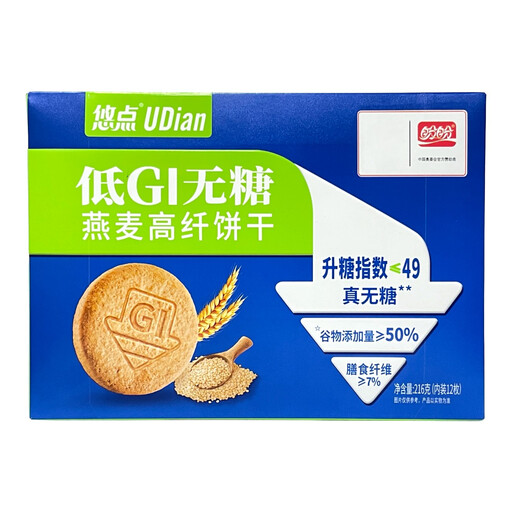 Image unavailable
A biscuit option to consider if you want something to eat without a topping. The pack is listed as 216 g; check the ingredients, any sweeteners and the allergens on the packaging before choosing.
No. The name alone doesn’t establish that it has an effect on digestion. Instead, check the ingredients, nutritional values and the portion you plan to eat when choosing a biscuit.
Look for a “gluten-free” statement on the specific product, then check its ingredients and allergen information. Rye crispbreads contain gluten; a “wheat-free” statement on its own doesn’t replace the check you need to make for gluten.
Follow the instructions on the pack you buy, especially those about resealing it and where to store it after opening. These can vary by product and packaging.
Check the ingredients list: the Directorate-General for Competition Policy, Consumer Affairs and Fraud Control states that allergenic ingredients must be highlighted there. Also read any may-contain warnings on the specific product.