What should you check before choosing?
Start by deciding what you’d like to serve with each crêpe: a piece that’s easy to count, a particular texture or a recipe that suits your guests. Then compare the labels of products that meet your needs.
| Priority |
What to check |
Who is it for? |
| Portion per crêpe |
The weight per piece and the number of pieces or sachets. |
When you’re topping several crêpes, giving each person a clearly identifiable piece helps avoid guesswork; around 31% of consumers prioritise portioned serving. |
| Texture and filling |
Look for descriptions such as filled, praline, peanut or cereal, depending on the texture you want. |
For a crêpe served as a dessert, some people are mainly looking for a filled, praline or crunchy bite; this is the priority for around 31% of consumers. |
| Allergens |
The ingredients list and any ‘may contain’ warnings on the exact product. |
Before serving a group, you need to know whether the recipe is suitable for everyone there; around 23% of consumers make this their first consideration. |
| Nutritional information |
Sugars and saturated fat per 100 g, then the weight you’ll actually serve. |
If you’re choosing mainly based on the ingredients and nutritional content, a small piece isn’t enough to compare recipes; around 15% of consumers prioritise nutritional information. |
Joybuy products for these occasions
These products offer three ways to serve milk chocolate with crêpes: coated peanuts to share out, a praline bar to break into squares, and bites with a crunchy centre. If you want to serve a specific amount with each crêpe, check the weight of the pieces or squares before choosing.
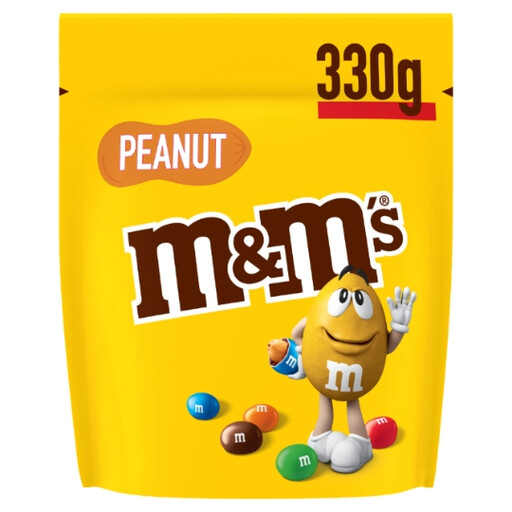 Image unavailable
M&M’S PEANUT, milk chocolate-coated peanuts, 330 g
Worth considering if you’d like to share milk chocolate and peanut pieces across several crêpes, adding a crunchy topping.
- 330 g bag.
- Peanuts are part of the recipe; check the packaging for allergen information and any warnings about almonds and hazelnuts.
- To serve a specific amount, use the information on the packaging rather than portion values that could be confusing.
View on Joybuy
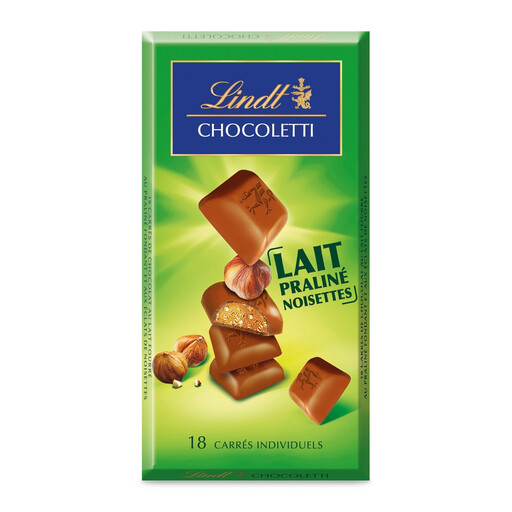 Image unavailable
Lindt Chocoletti, praline milk chocolate, 100 g
Consider this if you’d like to serve praline milk chocolate squares with your crêpes. It’s a bar to share, rather than pre-portioned mini bites.
- 100 g bar with hazelnut praline.
- Check the number and weight of the squares if you want to plan how much to serve with each crêpe.
- The recipe lists ingredients including hazelnuts, almonds, milk, soya and barley containing gluten; check the label for guests with allergies.
View on Joybuy
 Image unavailable
MALTESERS, milk chocolate with a honeycomb centre, 192.5 g
Worth considering if you’d like to add crunchy bites to a dessert crêpe, provided the texture and ingredients are suitable for those you’re serving.
- 192.5 g bag.
- Check the number and weight of the pieces before planning how much to serve with each crêpe.
- The recipe contains milk, soya and wheat ingredients; check the label for allergen information.
View on Joybuy
Frequently asked questions
How can I plan a mini chocolate portion for each crêpe?
Work out how many crêpes you’re making, then choose a product that states the weight per piece or the number of pieces. For example, Carrefour gives the weight of a Kinder Chocolat mini bar as 6 g; don’t assume that another bar or bite weighs the same.
Which allergens should I check in praline or crunchy bites?
Read the label for the exact recipe, including any ‘may contain’ warnings. Depending on the product, Carrefour’s listings for Côte d’Or praline bites and Carrefour Extra peanut and cereal bites mention tree nuts, peanuts, milk, soya or wheat.
Is Nutri-Score compulsory on mini milk chocolate?
No. Santé publique France explains that producers display Nutri-Score voluntarily. To compare chocolates intended for the same use, check the nutritional information and ingredients, whether or not the logo appears on the packaging.
Does mini chocolate necessarily contain less sugar?
No: ‘mini’ describes the format, not the sugar content of the recipe. Compare sugars per 100 g across similar products, then check the weight of the piece you’ll be serving.
Does France’s ‘soda tax’ apply to solid milk chocolate?
No. The Bulletin officiel des finances publiques-Impôts describes the relevant levy as applying to non-alcoholic drinks containing added sugars, not solid milk chocolate. When choosing the latter, it’s better to look at the format, ingredients and nutritional information.


