To drizzle melted chocolate over crêpes, start with a bar specifically labelled for baking, then choose a recipe to suit the flavour you’re after. If you only want to add a few squares to a crêpe, check the bar’s weight instead: a smaller bar isn’t necessarily a single portion. In either case, compare the sugars per 100 g and check the allergens on the packaging of the product you buy.
Who are these options for?
For melting chocolate
If you’re making a chocolate topping or melted filling, first look for a bar labelled for baking. Lindt lists chocolate crêpes among the suggested uses for its DESSERT range; the cocoa percentage can then help you compare the recipes available.
For adding a few squares to a crêpe
A smaller bar may be a better fit if you only need a little. Check its net weight before assuming it’s a single portion: a chocolate bar and an individually wrapped bar aren’t necessarily the same size.
For label checkers
To compare two recipes, check the sugars listed per 100 g. If you need to avoid certain ingredients, also check the allergens and any ‘may contain’ warnings on the specific pack you’re buying.
What should you look for in chocolate for crêpes?
First decide whether you’ll melt the chocolate or simply add it in squares. Then compare the size, flavour and label to find a recipe that suits how you’ll use it.
| Criteria |
What to check |
Who is it for? |
| Suitable for baking |
Whether it’s labelled ‘for baking’ or ‘dessert’, and the exact recipe. |
If I’m making a melted topping, I want a bar that’s presented for this purpose rather than relying on its weight alone; around 40% of consumers put this baking use at the top of their list. |
| How much to buy |
The net weight and whether you can break off a few squares. |
If I’m topping one crêpe and don’t plan to make anything else, I’m mainly looking for a small quantity; the size is the top priority for around 30% of consumers. |
| Flavour |
The type of chocolate and the stated cocoa percentage. |
Between a milk chocolate topping and a dark chocolate recipe, I first choose the flavour I like; this preference comes before other criteria for around 20% of consumers. |
| Sugars and allergens |
Sugars per 100 g, ingredients and allergens listed on the pack. |
If I need to check the ingredients before choosing, the label becomes my main criterion; around 10% of consumers prioritise nutritional information or allergens. |
Things not to get confused about
-
Applying the sugary drinks tax to solid chocolate
The levy described by Légifrance applies to drinks and liquid preparations for making drinks, not solid chocolate bars. It therefore isn’t a useful way to compare these bars.
To compare their ingredients, look at the ‘of which sugars’ line in the nutritional information, using the same 100 g basis.
-
Expecting every chocolate bar to have a Nutri-Score
According to the Ministry of the Economy, displaying the Nutri-Score is optional. The DGCCRF explains that a nutrition declaration is compulsory for the prepacked foods concerned, so don’t confuse these two types of information.
If there’s a Nutri-Score on the pack, read it alongside the nutritional values and ingredients list. Don’t rule out a bar just because it doesn’t have one.
-
Assuming one bar equals one portion
The products considered here come in different weights. The word ‘bar’ doesn’t tell you how much you’ll use on a crêpe or how much you’ll have left over.
Choose the weight according to how many crêpes you’re making and whether you plan to keep the rest.
-
Guessing allergens from the recipe name
Depending on the product, listings may mention milk, soya, barley or nuts, sometimes with a warning that traces may be present. Two bars from the same brand can have different ingredients.
If you have an allergy or need to avoid an ingredient completely, read the information on the packaging of the specific product you’re buying.
Brands to consider
Lindt
Lindt offers dark DESSERT bars for baking, as well as bars intended for eating as they are.
- The brand lists chocolate crêpes among the suggested uses for its DESSERT range.
- If you choose a bar intended for eating as it is, don’t assume it will melt in the same way; also check the ingredients in the recipe you choose.
NESTLÉ DESSERT
The range includes bars labelled for baking, including a rich dark dessert chocolate recipe.
- This dark chocolate recipe is labelled as suitable for baking.
- Claims about how well it melts on a product listing aren’t an independent comparison; check the allergens on the packaging.
Carrefour
The Carrefour and Carrefour Bio ranges include dark chocolate bars intended for desserts.
- The Carrefour Bio listing for its 52% cocoa dark dessert chocolate bar provides ingredients and information about sugars.
- A Nutri-Score shown for this product doesn’t mean the logo has to appear on other chocolate bars.
Tablette d’Or / Marque Repère E.Leclerc
E.Leclerc’s range includes a 200 g dark chocolate bar labelled for baking and desserts.
- The product name identifies it as a dark chocolate recipe intended for baking.
- The product name alone doesn’t tell you how it will melt or how its flavour compares with other recipes.
Milka
The classic 200 g milk chocolate bar considered here is presented as a bar to eat as it is.
- It’s a good fit if you want to add a few squares to a crêpe.
- This product listing doesn’t establish that it’s suitable for baking; also check the allergens in the specific product you choose.
Chocolate bars for different ways of topping crêpes
This selection of Joybuy products includes a bar labelled for baking, as well as sizes to consider if you want to add a few squares to a crêpe. Choose according to what you’re making: the cocoa content or the size of a bar alone doesn’t tell you how it will turn out once melted.
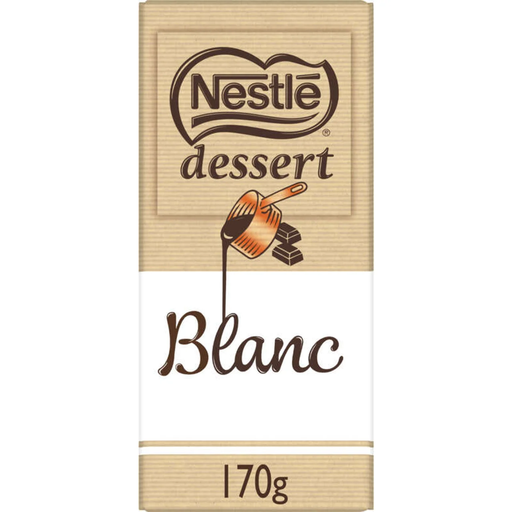 Image unavailable
NESTLÉ DESSERT, white baking chocolate, 170 g
Worth considering if you’d like a white chocolate topping and are looking for a bar labelled for baking. It weighs 170 g; the product description doesn’t say how it will work as a topping for crêpes or how much you’ll need for one portion.
View on Joybuy
 Image unavailable
LINDT Excellence 70%, dark chocolate mini bar, 35 g
At 35 g, this is a small amount to enjoy with a crêpe. The product title states that it contains 70% cocoa, but that doesn’t tell you its sugars per 100 g or how it will behave when melted for a topping. Check the packaging for any ‘may contain’ allergen warnings.
View on Joybuy
 Image unavailable
POULAIN Fine Dark, 70% dark chocolate, 100 g
If you want to add squares of dark chocolate to a crêpe, this bar combines a stated cocoa content of 70% with a weight of 100 g. That weight doesn’t define a single portion, and the product title doesn’t say it’s suitable for baking. Check the ingredients in this recipe, especially if you want to avoid maltitol.
View on Joybuy
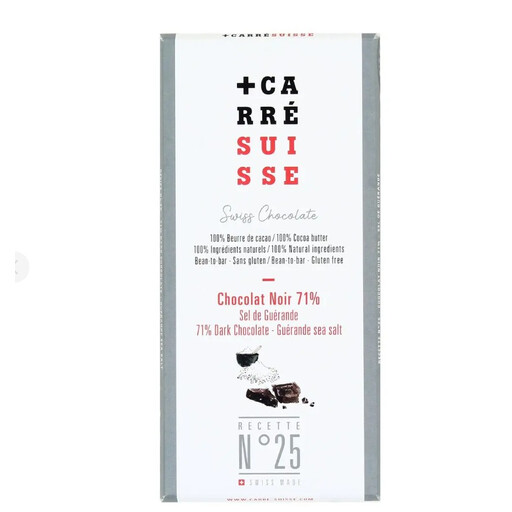 Image unavailable
CARRE, dark chocolate with Guérande sea salt, 100 g
This 100 g bar is an option if you’d like to add squares of salted dark chocolate to a crêpe. The product description doesn’t say that it’s intended for baking or how it will melt. Check the packaging for allergens in the product you buy.
View on Joybuy
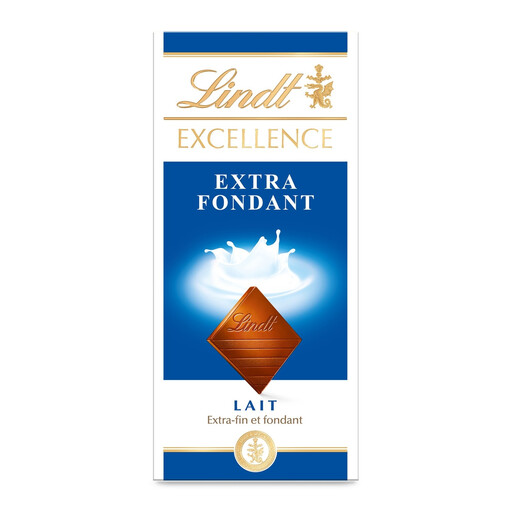 Image unavailable
LINDT Excellence Extra Creamy, milk chocolate, 100 g
Worth considering if you prefer to add a few squares of milk chocolate to a crêpe. The bar weighs 100 g, but that doesn’t necessarily make it a single portion; the product title doesn’t say it’s suitable for baking. If you need to avoid an ingredient, check the label for this recipe.
View on Joybuy
Frequently asked questions
Should you choose a baking chocolate bar for crêpes?
Choose a bar labelled for baking if you’re planning to melt the chocolate for a topping. If you only want to add a few squares, a bar intended for eating as it is may suit the purpose; however, its size alone won’t tell you how it will turn out once melted.
Does a chocolate bar in France have to display a Nutri-Score?
No. According to the Ministry of the Economy, this logo is optional. The DGCCRF explains that a nutrition declaration is compulsory for the prepacked foods concerned; this is where you can check the sugars per 100 g.
Does the sugary drinks tax apply to chocolate bars?
No, not to solid chocolate bars: the levy described by Légifrance applies to drinks and liquid preparations for making drinks. To compare the ingredients in two bars, check their nutritional information on the same 100 g basis.
Which allergens should you check before buying a chocolate bar?
Check the ingredients list, declared allergens and any ‘may contain’ warnings on the pack for the exact product you’re buying. Depending on the recipes considered, listings may mention milk, soya, barley or nuts; the brand name alone isn’t enough to tell you what’s in a bar.


