
Livraison le jour même ou le lendemain

Qualité garantie

Débloquez vos offres de bienvenue: Livraison GRATUITE | Jusqu'à -80 % | 30 jours d'essai gratuits à JoyPlus
Téléchargez l'application
With all the tempting colours, ultra-comprehensive sets and promises of long-lasting performance, choosing your creative stationery supplies can quickly become a headache. Students, parents, teachers, professionals and drawing enthusiasts all have different expectations: a highlighter for lectures isn't chosen the same way as markers for lettering or pencils for sketching.
Before you fill your basket, there are three pitfalls that deserve your particular attention.
A set that contains lots of pieces isn't necessarily suited to what you actually do. For bullet journaling, a few pastel shades and a fine tip can be more than enough. Colouring and illustration, on the other hand, require a broader palette with varied shades and tip sizes.
So take the time to check the exact contents of the set: number of colours, tip types, whether refills are included, lead diameters and any accessories supplied.
Water-based ink can bleed through thin paper, even when the manufacturer promises smooth application. With felt-tip pens, markers or highlighters, always test them on a sheet similar to the one in your notebook or exercise book.
Creations that require water generally need thicker paper. A notebook designed for writing won't necessarily be suitable for watercolour, brush pens or washes.
Anti-dry-out technology or a reinforced tip can extend a product's lifespan under certain conditions, but storage also plays a vital role. A felt-tip pen that's not properly closed, left near a heat source or exposed to sunlight will quickly lose its qualities.
For children, also check the age recommendations, whether there are any small parts and the supervision guidelines.
For writing, annotating and underlining, a chisel tip generally allows you to vary the line width. According to the product information, the STABILO BOSS ORIGINAL pastel highlighters have a tip of 2 mm for fine lines and 5 mm for broad lines.
Brush-tip markers offer more flexibility for lettering, outlines and filling in areas. Dual-tip models often combine a brush tip with a fine liner, saving you from carrying two separate tools.
Water-based ink is very common in colouring pens, calligraphy pens and journaling markers. It can be blended or diluted on suitable paper, but the result always depends on the surface you're using.
To minimise smudging:
For highlighting documents, a transparent ink and a consistent tip make it easier to read the text beneath the colour.
HB graphite pencils offer a versatile compromise for writing, exercises and initial sketches. A harder lead produces a lighter line, while a softer lead marks more heavily and is better suited to shading.
With a mechanical pencil, check the lead diameter it accepts: 0.5 mm is suitable for fine lines and note-taking, while a 1.8 mm lead gives a feel closer to that of a traditional pencil for drawing and sketching. The inclusion of spare leads and erasers can also save you from additional purchases.
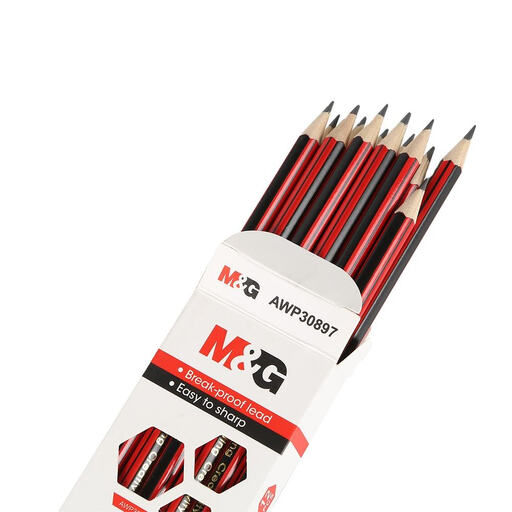
Why this choice suits this profile: This pack is ideal for school supplies, everyday note-taking and initial sketches, without cluttering your desk with extra accessories.
The 12-pencil format means you won't need to buy replacements too often, while the hexagonal shape stops them rolling off your desk.
HB leads, wooden body, hexagonal shape and pre-sharpened pencils, ready to use straight away.
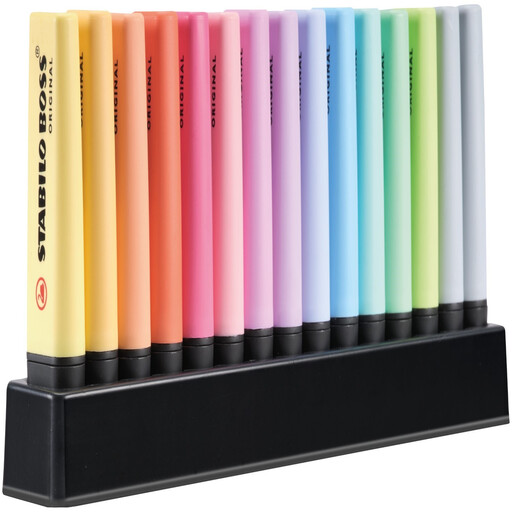
Why this choice suits this profile: Students, teachers and journaling enthusiasts get 14 pastel shades to structure their notes and decorate their pages.
The chisel tip and the two stated widths mean you don't need to buy a different tool for each type of annotation.
15 highlighters, 14 pastel shades, water-based ink and anti-dry-out technology claimed to last up to 4 hours without the cap.
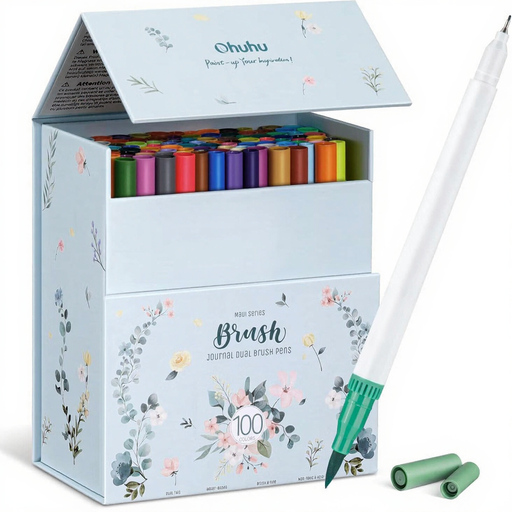
Why this choice suits this profile: Illustrators, colouring enthusiasts and regular lettering fans benefit from a broad palette and two tips per pen.
The colour chart makes it easy to identify shades, while the replacement tips minimise the impact of premature wear.
100 colours, brush tip from 1 to 6 mm, 0.4 mm fineliner, water-based inks and five replacement tips.
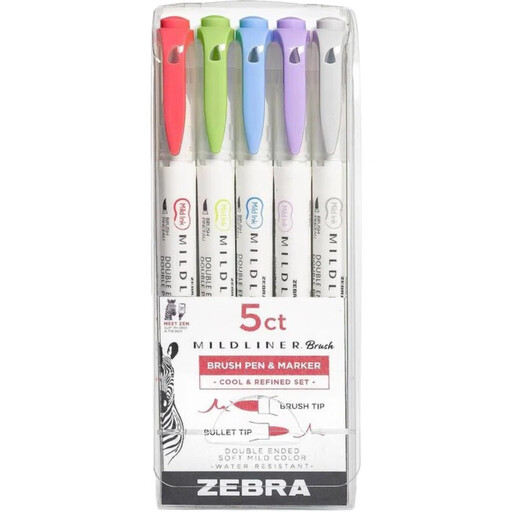
Why this choice suits this profile: Its compact format slips easily into a notebook, diary or pencil case, whether you're at the office or on the go.
The two ends reduce the number of pens you need to carry and let you switch from highlighting to fine writing.
Five soft shades, flexible brush tip, fine tip and water-based ink designed for blending and layering.
We've put together a comprehensive, real-time updated selection of products that meet these exacting criteria, while complying with European safety regulations.
Store felt-tip pens and pens flat when the instructions recommend it, or tip-down for certain models. Close the caps until you hear them click, and avoid leaving your materials in a car or near a radiator.
For coloured pencils and graphite pencils, use a sharpener suited to the lead diameter. Pressing too hard can cause repeated breakages. Mechanical pencils should be cleaned at the tip and refilled with compatible leads.
A notebook, a few pastel highlighters, a fine pen, an HB graphite pencil and an eraser make a simple, practical starter kit. You can then add dual-tip markers for headings, borders and decorations.
Always test the ink on a sheet of the same weight. Place a protective sheet underneath the page and let filled areas dry before adding a second colour. For water-based blending, choose a thicker paper designed for that technique.
Dual-tip pens save space while letting you vary your strokes. However, several separate pens can be more practical if you use one tip very often or prefer to replace only the worn-out tool.