
Livraison le jour même ou le lendemain

Qualité garantie

Débloquez vos offres de bienvenue: Livraison GRATUITE | Jusqu'à -80 % | 30 jours d'essai gratuits à JoyPlus
Téléchargez l'application
Choosing creative paper is about more than comparing the number of sheets or the price of the pack. A poorly suited surface can absorb too much ink, buckle when it comes into contact with water, dull colours or make it difficult to reposition a collage.
Three mistakes are particularly common when buying:
Here are the criteria to check before ordering, depending on your project and equipment.
For photos, albums and cards, 10 × 15 cm photo paper is a practical and very popular choice. It is suitable for portraits, holiday memories, mini posters and small decorating projects. However, remember to check the capacity of the paper tray and the path the paper takes through your printer.
Expressed in g/m², paper weight refers to the weight of a one-square-metre sheet of paper. It is not enough on its own to determine rigidity, but it does provide a useful indication:
250 g/m² paper can be very pleasant to draw on, but it is best to test a single sheet before starting a whole print run.
Glossy photo paper generally enhances saturation and contrast. It works well for photos intended to be viewed under controlled lighting, but reflections and fingerprints are more noticeable.
Matt photo paper reduces reflections and provides a more understated finish. It is often more comfortable for portraits, printed illustrations and creations intended for framing.
A canvas texture or textured drawing paper adds relief and a more artistic dimension to your print. In return, this type of surface is less suitable for highly detailed images or perfectly even blocks of colour. For watercolour, choose paper whose grain and absorbency suit the way you work.
Photo paper for inkjet printers must be inserted the right way round and paired with the appropriate setting in the printer driver: “glossy photo paper”, “matt paper” or “fine art paper”, depending on the surface being used.
For handmade creations, self-adhesive photo paper is easier to use than printing first and applying a separate adhesive layer afterwards. However, check whether the adhesive is permanent or repositionable, and avoid delicate, damp or freshly painted surfaces.
For drawing, gouache and ink, mixed-media paper offers greater versatility. A Clairefontaine paper pad may also be worth considering if you are looking for a stable presentation, a precise paper weight and a surface compatible with several mediums.
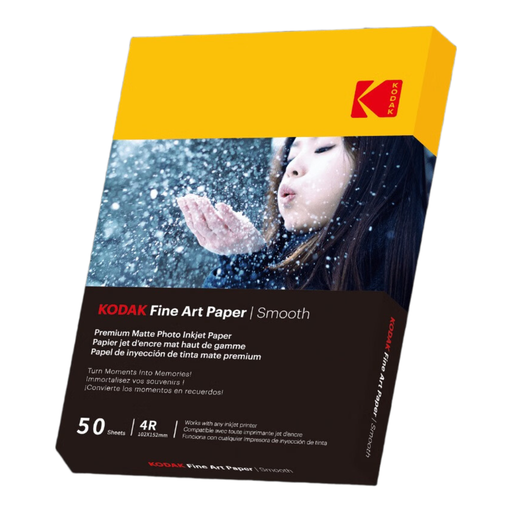
Why this choice suits this profile: Its popular photo format and matt finish make it suitable for first albums, cards and personal prints made with an inkjet printer.
The listing clearly states the 10 × 15 cm format, the number of sheets and inkjet compatibility. This makes it easier to compare the cost of each print.
50 sheets, stated weight of 180 g/m² and a matt surface designed for inkjet printing.
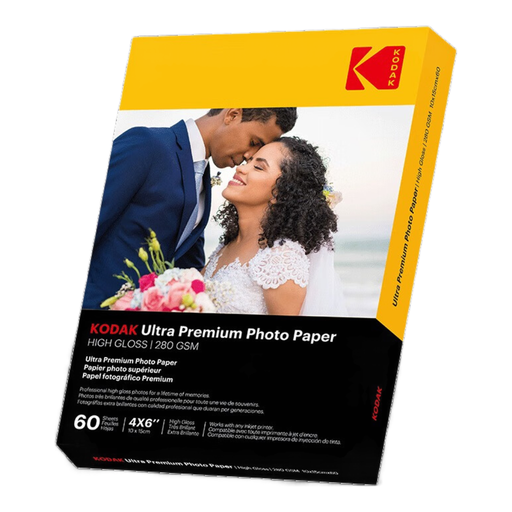
Why this choice suits this profile: This surface is aimed at amateur photographers looking for thick, glossy paper for prints to give as gifts or preserve in an album.
The 280 g/m² paper weight and ultra-glossy finish are clearly specified. You can therefore compare them with the limits accepted by your printer.
60 sheets in 10 × 15 cm format, glossy surface and drying time stated as fast.
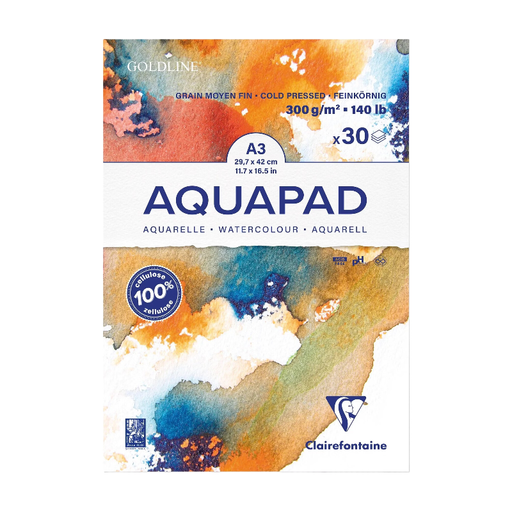
Why this choice suits this profile: Its large format and design for wet techniques meet the needs of students, illustrators and painters who regularly work with watercolour.
The pad is described as glued on two sides and designed to limit warping when it comes into contact with water. For very wet washes, it is still advisable to secure the sheet to a support.
30 A3 sheets, 300 g/m² paper, medium-to-fine grain, natural cellulose and a surface suitable for watercolour, gouache and fluid inks.
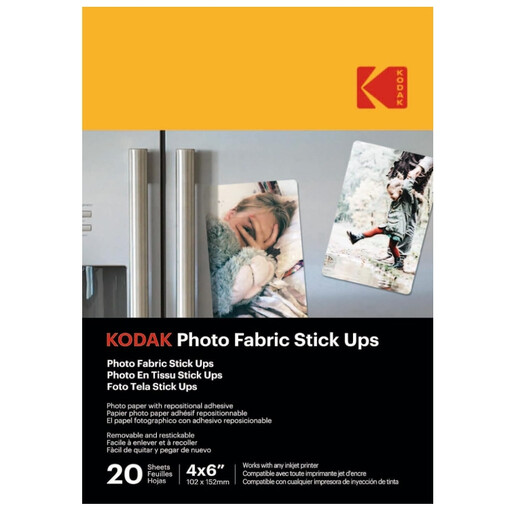
Why this choice suits this profile: This surface is ideal for creative albums, collages, notebooks and repositionable decorations, particularly when the composition may need to evolve.
The listing mentions a residue-free repositionable adhesive. Nevertheless, it is best to avoid wallpaper, freshly painted surfaces and delicate materials.
20 sheets measuring 10 × 15 cm, textured surface, flexible material and repositionable adhesive for inkjet printers.
We have brought together a complete, real-time selection of products that meet these demanding criteria while complying with European safety regulations.
Choose a surface specifically designed for inkjet printing, then select the paper type that matches its finish in the printer settings. Glossy, matt and textured photo paper each react differently to ink. If the paper weight is high, also consult your printer’s manual.
Glossy paper generally brings out colours and contrasts more strongly, but it can reflect light. Matt paper reduces these reflections and is better suited to creations viewed from different angles. The right choice therefore depends on the finish you want and where the item will be displayed.
This is not always recommended. Watercolour paper is designed to absorb water and pigments, whereas printable photo paper has a coating specially designed to receive ink. If you want to try it, check the manufacturer’s stated compatibility and begin by testing a single sheet.