
Livraison le jour même ou le lendemain

Qualité garantie

Débloquez vos offres de bienvenue: Livraison GRATUITE | Jusqu'à -80 % | 30 jours d'essai gratuits à JoyPlus
Téléchargez l'application
Creative hobbies are perfect for keeping children occupied, making a personalised gift, or getting into sewing, painting or decorating. But with such a huge range on offer, it’s not always easy to know what to choose. A set that claims to be complete can leave out essential accessories, while a budget option may quickly show its limitations.
Before buying a craft kit or creative hobby supplies, there are three pitfalls you should watch out for.
Some sets boast a long list of items, but skip the tools you really need. For painting, check that at least one brush, a palette or a surface is included. For sewing, look carefully at the list of needles, bobbins, thread and guiding accessories.
The stated quantity also deserves a close look. A set may contain several small sachets, yet each element might only be enough for a few uses.
An activity suitable for a 3-year-old won’t necessarily work for a younger child. Small parts, needles, engraving tools and certain components of a slime kit all require appropriate supervision.
Always read the recommended age, the risks of ingestion, and any instructions about contact with eyes or skin. The So DIY So Slime set, for example, is recommended from age 6 and requires washing hands after use. The compound also contains elements that must not be swallowed.
A smart presentation says nothing about the quality of storage, ease of use, or compatibility with your intended project. A compact sewing machine may be perfectly fine for small repairs, without being designed for thick fabrics or long sessions. Similarly, a diamond painting kit should be chosen based on size, pattern complexity and the workspace you have available.
For arts and crafts aimed at children, go for sets that clearly detail what’s inside: number of colours, amount of compound, sheets, tools and containers. Play-Doh Classic modelling compound includes four 4 oz pots, around 448 g in total, in different colours. It contains wheat – something to bear in mind if there’s an allergy.
For drawing and painting, a solid watercolour set of 12 colours with a brush avoids the need for extra purchases. The pigments are activated with water, and the palette should be stored closed, in a dry place, between sessions.
The marks EN 71, REACH and ASTM D-4236 don’t all mean the same thing. EN 71 refers to a series of European standards for toy safety. REACH regulates the use of chemical substances within the European Union. ASTM D-4236 is an American standard for labelling art materials.
These indications should be read alongside the age and usage warnings. They never replace the need to follow the manufacturer’s instructions. For products intended for children, also check for small parts, cleaning precautions and storage conditions.
A sewing machine for beginners should offer intuitive setup, easy-to-control speed and a power supply that suits your available space. The IAGREEA model with 12 built-in stitches offers forward and reverse sewing, a work light and two power modes. AA batteries are not included – a detail that can push up the initial cost.
For DIY engraving, look at the type of bits supplied, the number of speeds, the charging method and the compatible materials. A cordless engraving pen with a digital display offers three speed settings, USB-C charging and 30 bits. As with any rotary tool, wearing safety glasses, using a stable surface and ensuring good ventilation are still recommended.
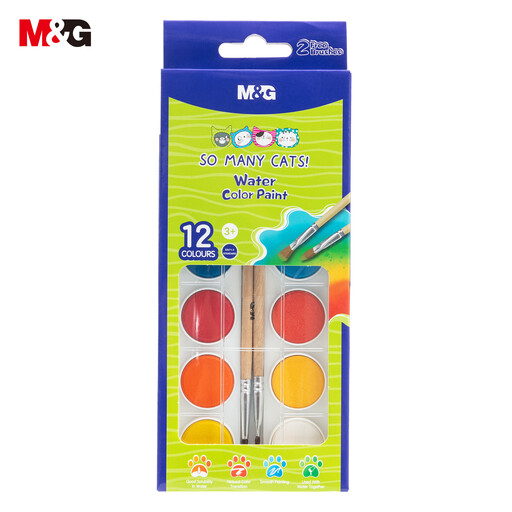
Why this choice suits this profile: Its compact size and included brush mean you can start drawing and painting without buying extra items.
The number of colours and the compact format are clearly stated – no need to buy a separate palette for your first attempts.
12 colour pans, around 150 g and a brush included. Recommended from age 3, with supervision.

Why this choice suits this profile: With its 30 × 40 cm landscape design, it’s aimed at adults looking for a detailed activity and a decorative project.
The size is stated before purchase, so you can plan for a large enough table and suitable storage space.
Landscape design, 12 × 16 inch format (approx. 30 × 40 cm), and a no-liquid-paint activity.
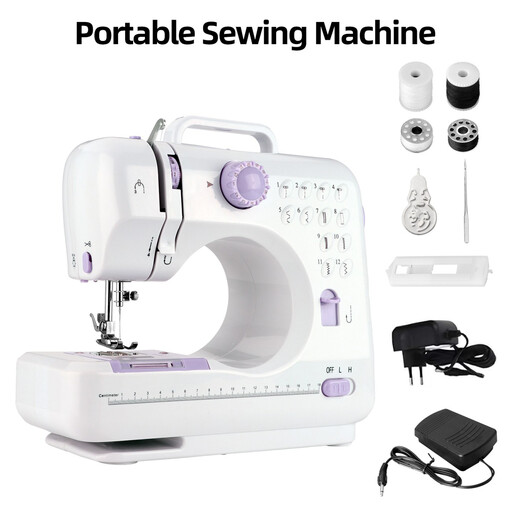
Why this choice suits this profile: It’s designed for everyday repairs and regular sewing projects, with its forward and reverse functions and two control modes.
The functions are detailed: 12 built-in stitches, thread cutter, light and storage compartment. However, you should stay within the machine’s limits with thick fabrics.
12 stitch patterns, reverse, foot pedal, control button and power via adaptor or four AA batteries.
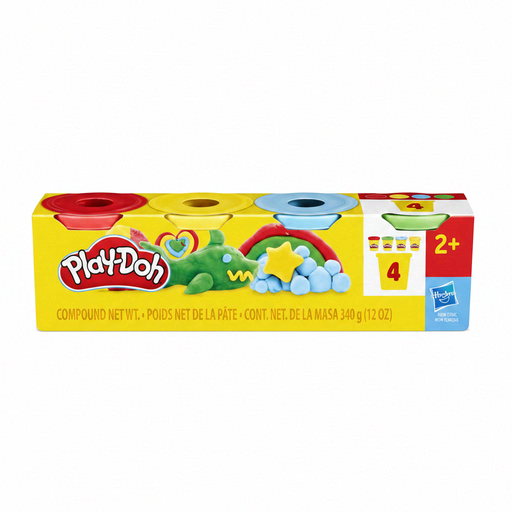
Why this choice suits this profile: The four 4 oz pots make it easy to offer a modelling activity at home or in a group.
The total weight and number of pots are clearly stated. The tubs reseal to limit drying out, as long as you close them after each use.
Four assorted colours, 448 g total, non-toxic formula according to the product sheet and ASTM D-4236 compliance stated.
We’ve put together a comprehensive, real-time selection of products that meet these demanding criteria and European safety regulations.
Start with a surface, the main consumables and a suitable tool: paper and brushes for watercolour, modelling compound and a washable surface for modelling, or fine fabric, thread and needles for sewing. Scrapbooking supplies, such as Deli double-sided adhesive rolls, can then complete a project of cards, a photo album or a creative notebook.
It all depends on the material. Modelling compound should stay in its sealed pots. Solid paints keep well in a dry place, while transfer sheets and scratch art sheets should be stored flat, away from moisture. For creative craft accessories, a compartmentalised box reduces the risk of losing small parts.
The budget depends on the length of the project and the tools included. A watercolour set or a modelling compound set can be enough for a first activity. A sewing machine, an engraving unit or scrapbooking supplies represent a bigger investment, but can be used for many projects. Above all, compare the actual contents, the consumables you’ll need to replace and the accessories already supplied.